

Smart Faucet technology is quietly transforming kitchens and bathrooms by making daily cleaning hands-free, more hygienic, and more efficient. If you want to upgrade your home or workplace with the latest in smart plumbing, understanding what makes these faucets “smart” and what to really expect is critical before you buy or retrofit. Here’s everything you need to know based on recent market research and real-world insights.
Key Takeaways
- The global smart faucet market is rapidly growing, led by demand for touchless operation, water efficiency, and modern smart-home integration.
- Hygiene, voice/app control, and precise temperature settings are the main user benefits, driving adoption across homes and public spaces.
- Despite hype, buyers should be aware of installation, compatibility, and connectivity challenges with smart faucets.
- Smart Faucets: What They Are and Why They Matter
- How to Choose and Install a Smart Faucet
- Advanced Analysis: Market Growth, Benefits, and Potential Pitfalls
- Conclusion
- Frequently Asked Questions
Smart Faucets: What They Are and Why They Matter
Smart faucets are modern plumbing fixtures that use sensors, touchless controls, or voice activation to deliver water with minimal physical contact. They are designed to improve convenience, hygiene, and efficiency in everyday use. Smart faucets gained traction in high-end hotels and healthcare, but their popularity is surging in residential spaces thanks to post-pandemic awareness, smart home adoption, and water-saving incentives.
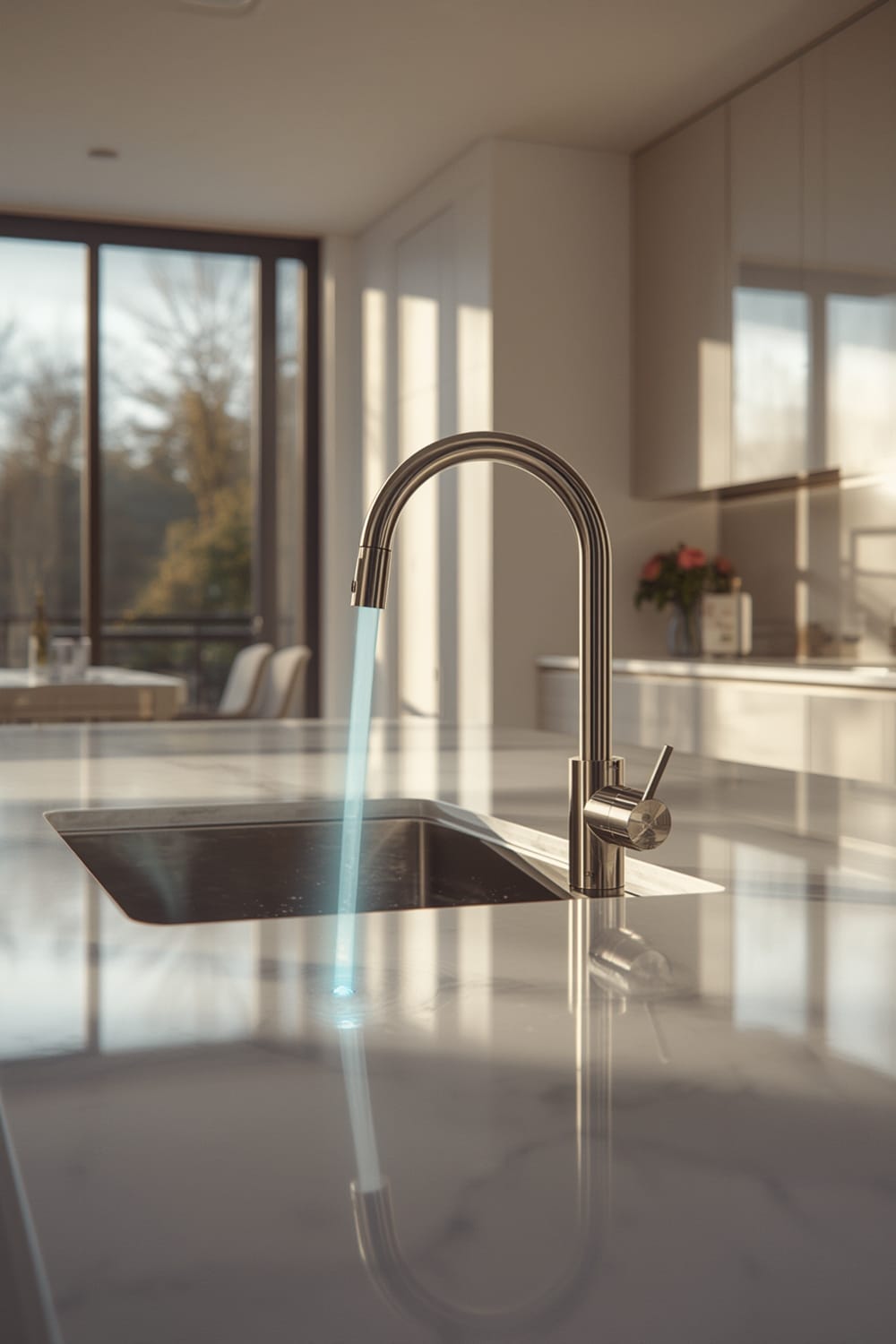
Globally, the smart faucet market is projected to double between 2025 and 2034, reaching up to $7.4 billion. North America currently leads due to smart-home saturation, but Asia-Pacific is the fastest-growing region, with China as a driving force (source).
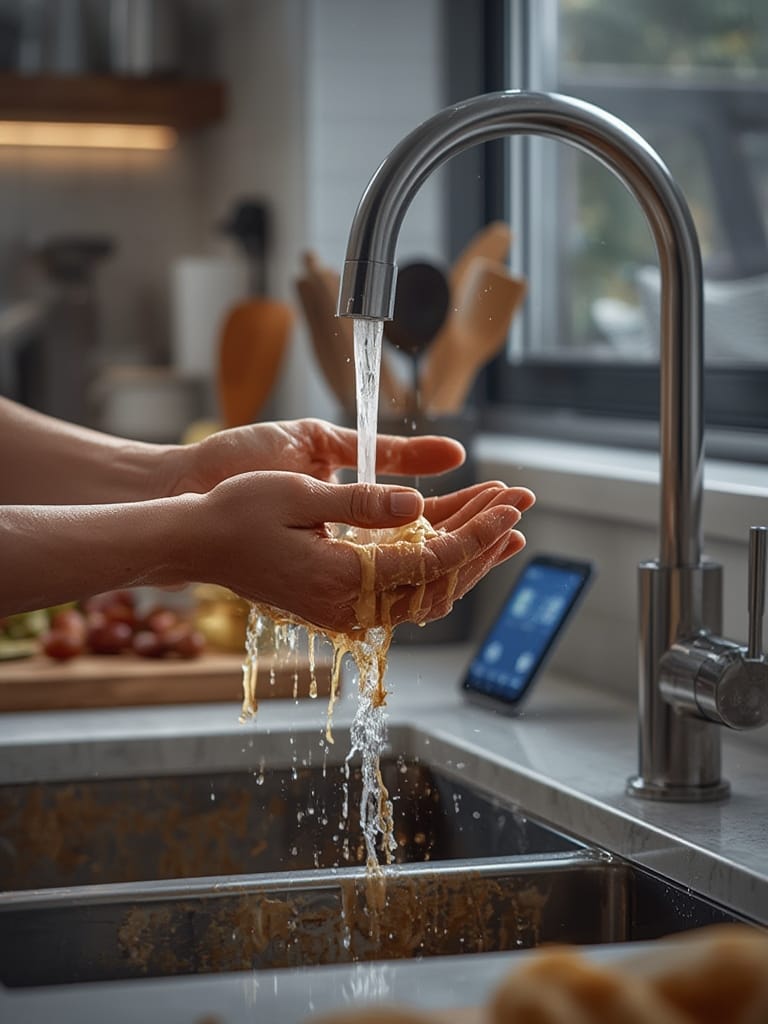
Hygiene is the biggest driver: with contactless control (through motion sensors or voice), users avoid spreading germs or cleaning dirty handles. Meanwhile, water-efficient tech and precise temperature presets help save resources and energy. You’ll find integration with voice assistants, app-based remote control, and compatibility with smart-home standards (see Matter compatible devices list for broader connectivity).
How to Choose and Install a Smart Faucet
Upgrading to a smart faucet involves more than swapping hardware. Here’s how to do it right:
- Assess Your Needs
Decide on primary use: hands-free hygiene, voice integration, or water conservation. For instance, public restrooms may prioritize sensor accuracy, while home kitchens value both aesthetics and voice/app control. - Check Compatibility
Review your sink size, current plumbing connections, and under-sink clearance. Some smart faucets require power (AC adapters or batteries) and Wi-Fi or a smart-home hub. See this guide on remote monitoring for what to expect with wireless features and their pitfalls. - Pick Your Features
Look for options like motion sensor range, touch sensitivity, precise temperature presets, water metering, and app/voice assistant support. For Apple/Amazon ecosystem compatibility, research brands adopting the ‘Matter’ protocol (benefits of matter protocol). - Plan Installation
Decide if you’ll DIY or hire a plumber. Smart faucets are generally bulkier under the sink due to added electronics. Make sure the installation location allows for sensor lines, wireless connections, and easy battery replacement if needed. - Configure and Test
Use the manufacturer’s app to set preferences: sensor range, water temperature, timers, and voice routines (e.g., ‘fill pot’ command). Test for false triggers, connectivity, and response time. Connect with your broader smart-home routines for seamless kitchen automation (explore schedule coffee maker app for automation ideas).
Advanced Analysis: Market Growth, Benefits, and Potential Pitfalls
Market Growth and Regional Trends:
- The global smart faucet market will grow from $3.52 billion (2025) to $7.40 billion (2034), at a steady 8.63% CAGR. North America holds about 36% market share, but the Asia-Pacific region is expanding faster at 9.1% CAGR, with China leading adoption (Straits Research).
- The residential segment is the largest, with home renovations and hygiene concerns accelerating adoption, especially in the wake of the pandemic.
Key Hygiene & Convenience Benefits:
- Contactless operation dramatically cuts down on germ transfer—a priority in healthcare, education, and hospitality (source).
- Voice and app integration makes multi-tasking efficient, especially during cooking or cleaning.
- Presets for flow and temperature reduce water waste and energy bills.
Common Pitfalls and Realistic Drawbacks:
- Installation Complexity: Not all sinks will accommodate the extra electronics or power requirements. Retrofitting older plumbing can get costly.
- Connectivity Woes: Wi-Fi required faucets may lose features if your signal is weak, and voice control is hit-or-miss with noisy backgrounds or for non-English commands.
- Sensor Malfunctions: False triggers (flows starting unexpectedly) remain a top complaint, especially with pets or kids around the sink.
- Price and Upkeep: Smart faucets often cost significantly more than regular fixtures, and repair costs can be higher due to specialized electronics—it is not always “set and forget.”
| Feature | Benefits | Potential Drawbacks |
|---|---|---|
| Motion/Touch Sensors | Touch-free hygiene, good for messy tasks | False triggers, needs battery/electricity |
| Voice/App Control | Hands-free commands, smart integration | Wi-Fi required, may have delayed responses |
| Water/Energy Saving | Lower bills, eco-friendly | Complex to program, may need adjustments |
| Precise Presets | No guesswork—always get desired temp/flow | Some models lack fine adjustment or memory loss after power outage |
If you’re concerned about invisible tech clutter, review approaches like Quiet Automation for unobtrusive, background smart home solutions that blend high-tech with home style. For bathrooms, consider synergy with energy efficient smart dishwasher systems for a complete water-wise upgrade.

Conclusion
Smart faucets deliver a big upgrade in hygiene, water savings, and daily convenience. Their global market is booming for good reason, but buyers need to weigh the cost and consider installation or compatibility quirks in modern homes. By carefully selecting features and honestly assessing your space, you can avoid common pitfalls and get the most value from your investment. Ready for better hygiene and modern living? Explore the possibilities of a Smart Faucet in your next home project.
Want even more smart home upgrades? See how biometric locks and geofencing garage door openers can work alongside your faucet for seamless, modern security.
Frequently Asked Questions
How do smart faucets improve hygiene?
Smart faucets use motion sensors or voice commands, which means you don’t need to touch it with dirty hands. This reduces germ transfer, especially important in kitchens and public restrooms.
Do smart faucets work with all sinks?
Not always. Check the size of your sink and make sure you have an available electrical outlet or space for batteries if required. Some retrofits can be complicated, particularly for older plumbing setups.
What are the main downsides of installing a smart faucet?
The biggest challenges are the higher upfront cost, the need for power or batteries, and occasional connectivity issues. False sensor triggers and compatibility problems with some smart-home systems may also occur.
Can I control a smart faucet with my phone?
Many newer smart faucets support app-based control or allow integration with platforms like Alexa or Google Assistant, letting you remotely control temperature, flow, or even set routines. Be sure to check the product’s compatibility—see our overview of Matter compatible devices to avoid headaches.
How do I maintain and clean a smart faucet?
Wipe the exterior with a damp cloth and periodic cleaner. If you have hard water, install an inline filter to prevent sensor and valve issues over time. Check batteries or power supply regularly.