

Smart Dishwasher technology has dramatically changed the way kitchens work, making cleaning faster, smarter, and more efficient than ever before. If you want to know exactly how these appliances compare for energy, water use, and daily convenience—plus how to actually choose and use one wisely—you are in the right place.
Key Takeaways
- Smart dishwashers use up to 34% less energy and 36% less water than traditional models, saving about $35 annually on utilities.
- Features like auto open and quiet mode add value, but real-world use can differ from marketing promises—know the facts before buying.
- Integration with smart home platforms varies sharply by brand; not every “smart” dishwasher is truly connected.
- What Is a Smart Dishwasher and Why Choose One?
- How to Pick and Use a Smart Dishwasher: A Practical Guide
- Advanced Analysis & Common Pitfalls
- Conclusion
- FAQ
What Is a Smart Dishwasher and Why Choose One?
Smart dishwashers combine traditional dish cleaning with connected features such as app controls, cycle alerts, remote start, and energy monitoring. They aim to reduce water and power usage while offering convenience such as scheduling, auto open dry, and sometimes even auto dosing of detergent (though this is rare in the US market).
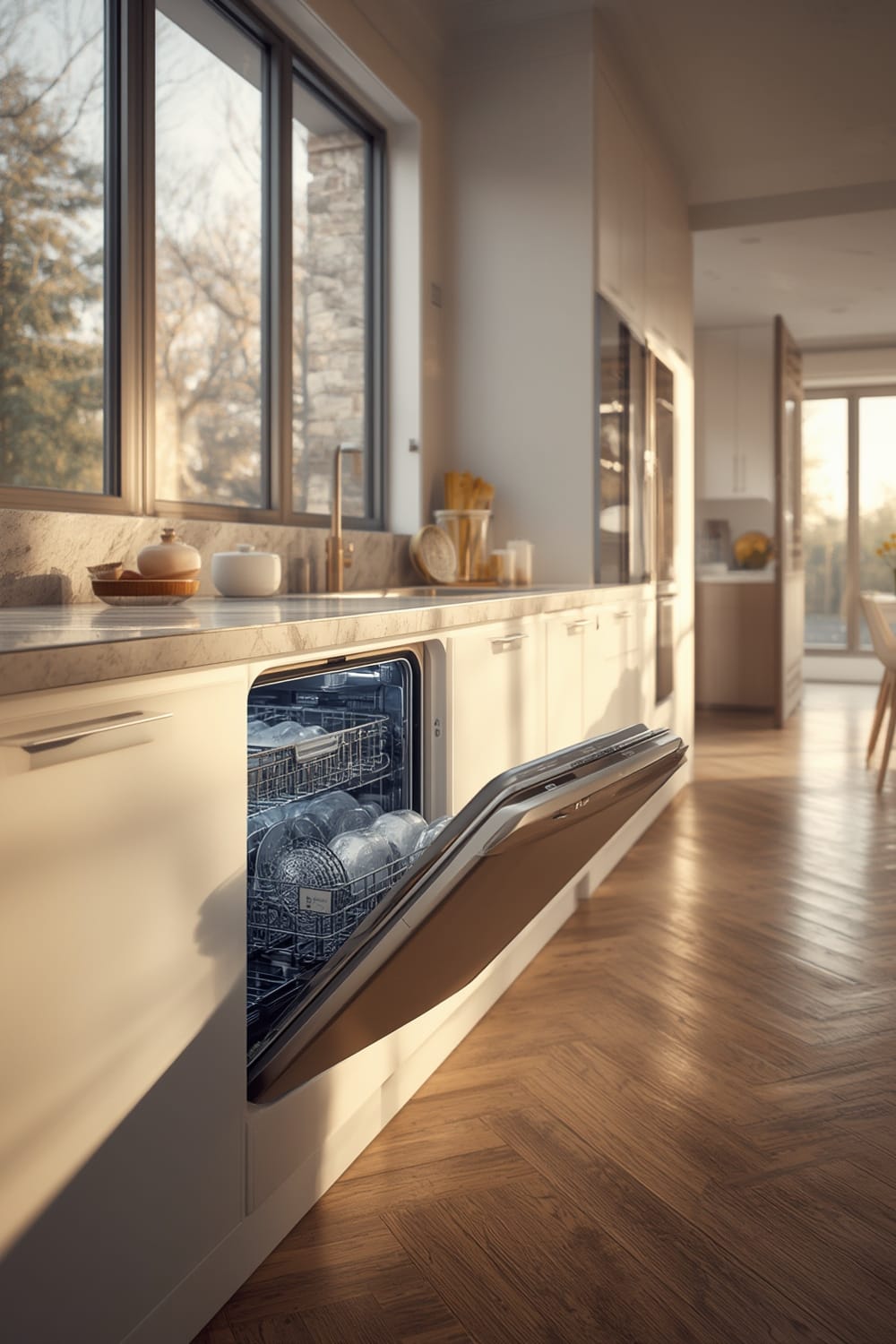
Choosing a smart dishwasher in 2024 is increasingly about more than just cleaning power. Models like the Miele G5892SCViSL (200 kWh/year, 3.2 gallons/cycle), Fisher & Paykel DD24DTX6PX1 (202 kWh/year, 3.1 gallons/cycle), and the Bosch 500 Series (240 kWh/year, 3.2 gallons/cycle) all beat the latest ENERGY STAR standards for efficiency. Many also integrate with smart platforms: Samsung’s lineup, for example, connects tightly with SmartThings, enhancing automation potential for the whole home. Energy and water savings, automatic settings, and real-time status updates provide a level of convenience standard models just can’t offer.
How to Pick and Use a Smart Dishwasher: A Practical Guide
Upgrading to a smart dishwasher can save money and time—but only if you choose and configure it wisely. Here’s a step-by-step guide to make a smart, regret-proof investment and get the most from the technology.
- Assess Compatibility with Your Smart Home: If you want centralized control, be sure your preferred dishwasher is compatible with your system (Samsung SmartThings, Bosch Home Connect, Alexa, Google). See why the Matter protocol is solving major smart home headaches for device compatibility.
- Compare Core Stats—Don’t Trust the Hype: Many models, like the LG LDPN454** (238 kWh/year, 2.9 gallons/cycle), outperform not just old machines but also entry-level smart options. Always check independent reviews and not just the box claim.
- Understand Key Features: Quiet mode, auto open dry, auto dosing, and cycle customization are valuable—but not all “smart” models offer everything. Despite expectations, very few US dishwashers now feature automatic detergent dosing; European models sometimes do, but maintenance and refill needs can vary.
- Budget for Installation and Hidden Costs: Premium smart dishwashers range from $500 up to $2,400. Add $100–$350 if you need professional installation. Hidden costs can include WiFi setup (if your kitchen is a signal dead zone) and occasional app fees for some integrations.
- Test the App—Before Installation, If Possible: Some manufacturers let you preview their apps or control panels online. Check if you can schedule cycles, monitor usage, and get maintenance reminders before you buy.
- Track Real-World Usage: Research shows many users see slightly higher water and energy use than advertised. Use your app’s usage-tracking to spot excessive use—which may be due to installation quirks, overloaded cycles, or setting choices.
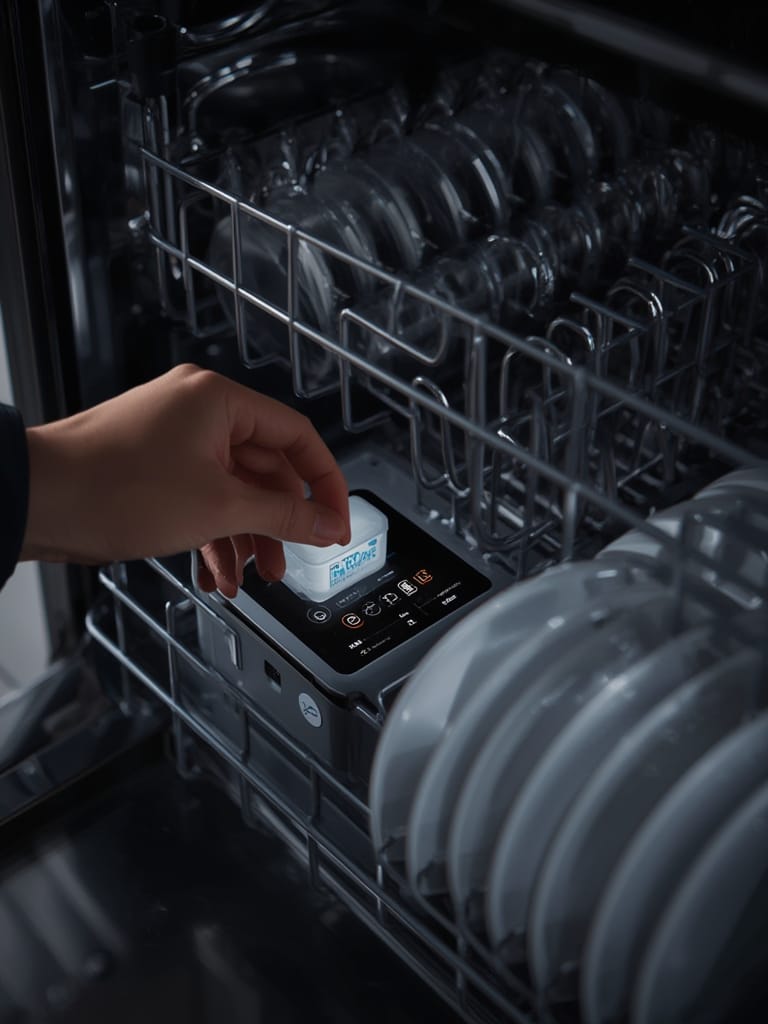
Want more on background tech and how to keep your smart home effortlessly “invisible”? See our guide on Quiet Automation.
Advanced Analysis & Common Pitfalls
Even the best smart dishwashers come with trade-offs and pain points that basic “best of” lists don’t discuss. Here’s a realistic rundown, along with a head-to-head table of top models versus standard picks.
| Model | Yearly Energy Use (kWh) | Water per Cycle (gallons) | Noise Level (dB) | Auto Dose | Auto Open | Price Range | User Rating |
|---|---|---|---|---|---|---|---|
| Miele G5892SCViSL | 200 | 3.2 | ~44* | No | Yes | $1,800–2,400 | 4.6/5 |
| Fisher & Paykel DD24DTX6PX1 | 202 | 3.1 | 44–46* | No | Yes | $1,500–2,000 | 4.5/5 |
| Bosch 500 Series | 240 | 3.2 | 44–46* | No | No | $900–1,100 | 4.4–4.6/5 |
| LG LDPN454** | 238 | 2.9 | Not stated | No | No | $650–900 | 3.8/5 |
| Frigidaire FFCD2413** | 270+ | 4.0 | Not stated | No | No | $359–500 | ~3.7/5 |
*Estimated average: manufacturers do not always publish exact decibel levels for scheduled “quiet mode” cycles.
- Real-World vs. Lab Results: Dishwashers sometimes use more water or energy than the sticker claim, especially on larger or dirtier loads. Consumer Reports notes this is common even on top-rated models.
- Drying is Often a Weak Point: The LG LDPN454** is efficient, but users complain about dishes not drying fully—if this is a dealbreaker, check real reviews before buying.
- Tub Material Matters: The interior tub—plastic in budget models like Frigidaire, stainless in Bosch or Miele—affects both longevity and drying performance (plastic stays wetter, stains more easily).
- Auto Dose and Quiet Mode are Rare, Not Standard: US models rarely offer true auto dispensing of detergent. If you want both quiet mode scheduling and auto dose, you may have to compromise or import from Europe (and risk warranty coverage).
- Smart Integration Isn’t Universal: Not every smart dishwasher is compatible with every platform. For maximum flexibility and future-proofing, look for Matter-compatible devices. See our companion guide on Matter compatible devices.
- App Fatigue: Many brands require a separate app, and updates or connectivity issues are common. Samsung and Bosch’s offerings get highest marks for reliable smart features, but some LG models are not WiFi-enabled at all.
- Hidden Costs: WiFi configuration, kitchen signal dead zones, and unexpected app (or repair) fees can undercut expected savings.
If you value real smart-home autonomy, check out emerging trends in agentic AI to learn how dishwashers and other appliances may learn your routines—for example, anticipating low-use periods to auto-schedule quiet cycles. For a truly seamless kitchen, you might also explore tactile scene controllers for one-tap dishwashing cycles alongside other devices.

Conclusion
Choosing a Smart Dishwasher goes far beyond picking a model with WiFi or a glossy interface. It’s about balancing efficiency (energy and water savings), compatibility (with your home and habits), and the often-overlooked “real world” frustrations—like drying and tub material. By cross-referencing genuine efficiency statistics and honestly assessing which features you’ll use, you’ll avoid regret and unlock the kitchen convenience smart dishwashers are meant to deliver. Ready to upgrade? Research, compare, and choose wisely—then enjoy quieter, cleaner results every day.
Curious about the next level of smart home convenience? Explore our guides on the Matter protocol or how Quiet Automation is reshaping the modern home.
FAQ
Are smart dishwashers really more energy efficient than standard models?
Yes. Top models like Miele, Bosch, and Fisher & Paykel exceed ENERGY STAR requirements by up to 34%, saving roughly $35 annually on energy and water bills. Always review independent data, not just manufacturer claims.
Do any smart dishwashers in the US include auto dose for detergent?
Most leading US models currently do not offer true automatic detergent dosing—though European brands sometimes do. Maintenance and exact refill intervals will vary if imported, and warranty coverage may not apply.
What maintenance do smart dishwashers require compared to standard models?
Regular dish and filter cleaning routines are largely similar. Connectivity and app issues can require occasional resets/updates. WiFi configuration in low-signal kitchens can add setup time.
How quiet is “quiet mode” on smart dishwashers?
Manufacturers rarely list specific decibel levels for scheduled quiet cycles, but most high-end dishwashers now run between 44–46 dB—about as loud as a quiet conversation. Check product specs and reviews for details, especially if you run overnight cycles.
Which brands have the best-connected smart dishwasher platforms?
Samsung (SmartThings) and Bosch (Home Connect) offer the widest, most reliable app ecosystems for remote control and scheduling. LG and Fisher & Paykel have good options, but integration may be more limited. Matter protocol support will be increasingly important for future compatibility.