

Matter Protocol is rapidly transforming the smart home landscape by making device setup and control easier, more reliable, and far more consistent. If you’ve ever struggled with fragmented systems or juggled multiple apps for routine automations, read on—you’ll see how Matter Protocol is solving problems that older standards couldn’t touch.
Key Takeaways
- Matter Protocol brings universal compatibility to major smart home brands, cutting out device onboarding headaches.
- Transitioning to Matter is cost-effective for both manufacturers and homeowners, thanks to open standards and easy device integration.
- Some limitations persist, especially with advanced device categories like cameras, but the ecosystem is expanding rapidly.
- What Is Matter Protocol and Why Does It Matter?
- How To Build or Upgrade to a Matter-Compatible Smart Home
- Advanced Analysis & Common Pitfalls
- Conclusion
- Common Questions about Matter Protocol
What Is Matter Protocol and Why Does It Matter?
Matter Protocol is an open-source, royalty-free connectivity standard designed to solve the long-standing frustration of incompatible smart home devices. Developed and backed by industry giants like Apple, Google, Amazon, and Samsung, Matter brings a unified, IP-based approach to smart home networking. This means one setup process, a single set of rules, and local control for devices that simply work together—regardless of brand.
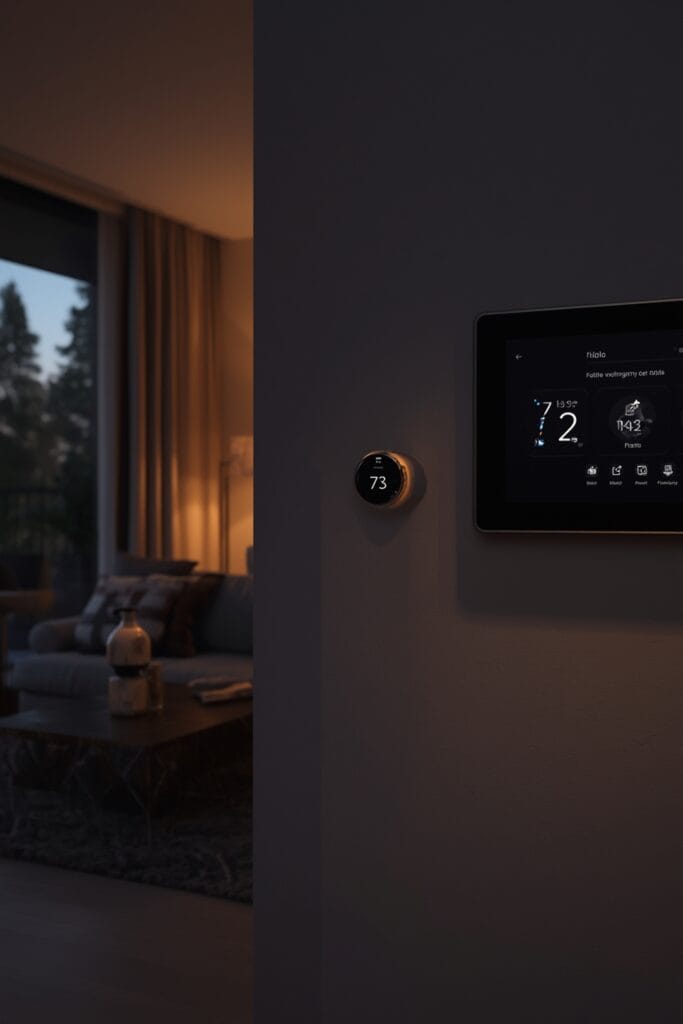
Historically, smart homes relied on fragmented protocols: Zigbee, Z-Wave, and even the once-exclusive Apple HomeKit, leading to frustrating onboarding, redundant apps, and firmware headaches. Matter Protocol eliminates most of this complexity. As of 2024, it’s supported by more than 280 companies and all major smart home platforms via hub software updates (HomePod Mini, Nest Hub, Echo, SmartThings) [1]. Hundreds of products—lights, locks, plugs, thermostats, smart sensors, and now even complex appliances—are built on this universal layer [2].
Crucially, Matter uses local IP (IPv6) and supports multiple transports (Wi-Fi, Ethernet, Thread), meaning faster, more reliable response times with less cloud dependency. You can even onboard devices easily using QR codes or Bluetooth—no more manual pairing or ecosystem lock-in. For those running older systems, ‘bridge’ devices enable Zigbee or Z-Wave products to coexist with Matter, ensuring previous investments are protected [3].
The result? A vastly simplified, scalable, and more secure smart home—setting the stage for broader adoption (a 13.7% compound annual growth rate in North America to 2030) and smoother upgrades as the standard continues to evolve [4].
How To Build or Upgrade to a Matter-Compatible Smart Home
Whether you’re starting from scratch or converting an existing setup, Matter Protocol makes it easier than ever to get all your devices working in harmony. Here’s a practical, step-by-step guide:
- Review Compatibility: Check the Connectivity Standards Alliance Matter device list for an up-to-date catalog. Stick with certified devices, as not all “smart” gear is upgradable or Matter-ready.
- Update Your Hubs: Ensure main controllers (Apple, Google, Amazon, Samsung) are running the latest software. Many now serve as Thread border routers, which boosts mesh network reliability for battery-powered sensors, locks, and more.
- Onboard New Devices: Use the Matter-standard QR code or BLE setup—typically a 30-second process, even for first-timers. You’ll find this feature across nearly all new smart bulbs, plugs, and thermostats from 2024 onward.
- Add Bridges for Older Devices: Extend Matter reach with a bridge (such as an updated Philips Hue Bridge). Bridging lets you keep and integrate non-IP devices into your new ecosystem.
- Automate and Secure: Set up automations across mixed brands—lights, sensors, locks—without worrying about proprietary workflows. Matter’s local security handshake and required Over-The-Air (OTA) updates ensure device safety and consistency.
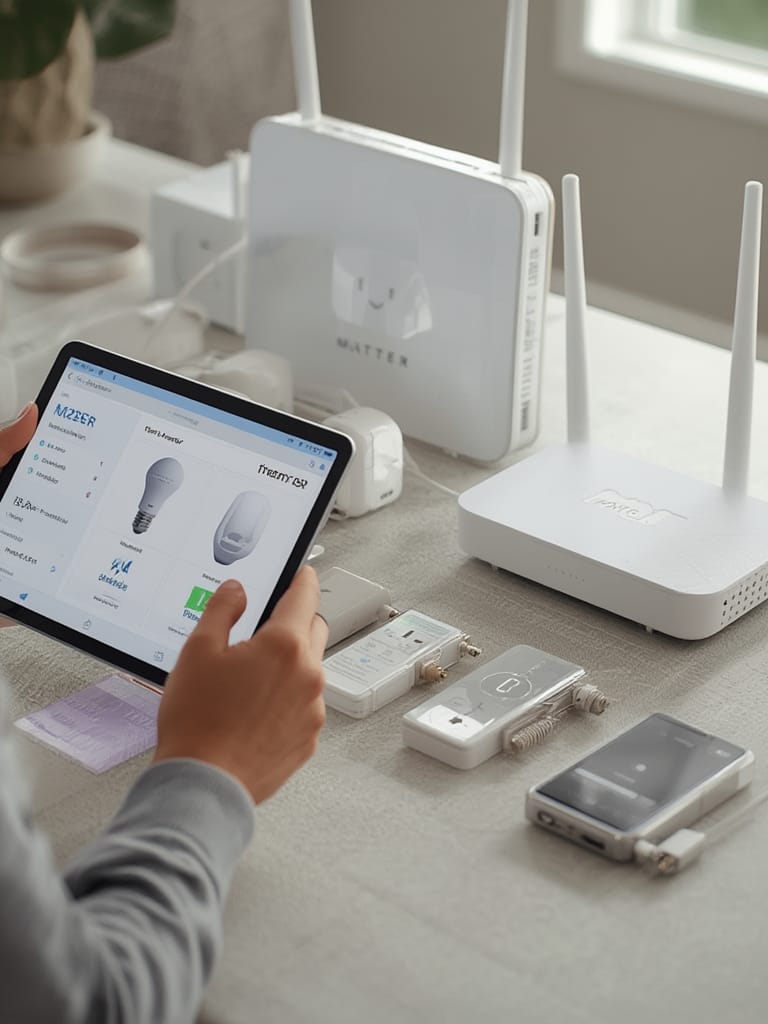
- For professional installations or larger homes, choose hubs and bridges supporting Thread mesh for improved coverage (see recent expansions with Samsung and ABB products).
- Take advantage of affordable entry points—brands like Ikea now offer light bulbs and sensors with Matter compatibility for under $10.
For additional configuration and troubleshooting, you can reference our guide on Matter vs Thread and our list of the best smart home hubs to match devices with your space and needs.
Advanced Analysis & Common Pitfalls
While Matter Protocol is a significant leap forward, it’s not without growing pains. Knowing what to expect can save headaches during deployment—or when planning a large smart home upgrade.
Common Limitations and Issues
- Inconsistent Device Support: Not all device types are officially supported yet. For example, cameras and advanced appliances arrived only with Matter 1.5, and even now, features may be less consistent than legacy platforms.
- Onboarding Hiccups: Early Matter-compatible devices sometimes struggled with setup, especially if controllers or apps weren’t fully updated. QR-based commissioning is easier, but mixed-brand automations can still require tinkering.
- Coexistence with Legacy Ecosystems: Bridges help, but not all Zigbee/Z-Wave devices get full features or updates. Some advanced automations may be limited until more vendors release upgrades.
- Professional/Installer Gaps: Advanced commercial or pro-use features (such as energy metering, multi-unit management) are only starting to be addressed, mostly by specialized suppliers such as ABB and Busch-Jaeger.
Below is a comparison table between pre-Matter protocols and Matter (as of Matter 1.5):
| Feature | Legacy Protocols (Zigbee, Z-Wave, HomeKit) | Matter Protocol |
|---|---|---|
| Device Onboarding | Proprietary, often complex (multiple apps, credentials) | Standardized QR code or BLE setup, single process |
| Interoperability | Limited, fragmented, vendor lock-in common | Universal, cross-vendor, open standard |
| Local Control | Often requires cloud connectivity, latency issues | Native IPV6, Wi-Fi, Ethernet, or Thread; local-first |
| Legacy Device Support | None outside own protocol | Bridges integrate some Zigbee/Z-Wave to Matter |
| Device Range of Support | Limited, slow expansion | Rapid addition (lights, appliances, energy devices, cameras [1.5+]) |
| OTA Updates & Security | Inconsistent; not always mandatory | Mandatory, secure handshake, robust OTA |
Some user reports and reviews also note that, despite substantial progress, Matter is not always backward compatible, and gaps persist—especially if manufacturers delay new firmware releases.
If you’re transitioning an entire home, our deep-dive on smart home installation costs breaks down both direct expenses and indirect savings from reduced device/app maintenance with Matter.
Conclusion
Matter Protocol is quickly changing how smart homes operate by establishing a universal, vendor-agnostic language for device communication. The result is less fragmentation, easier onboarding, and greater future-proofing. While a few bumps remain—especially for legacy and pro installers—the protocol’s regular updates and wide industry support mean transition headaches are minimal and compatibility is only set to improve. Ready to take the next step? Research the latest Matter-compatible devices for your needs and future-proof your home today with Matter Protocol. For pro-level guides, check out Thread vs Zigbee explained and how to pick the best energy management smart plugs for Matter-enabled automation.
Common Questions about Matter Protocol
Do I need to replace all my smart home devices to use Matter Protocol?
No. While not all legacy devices are directly upgradable, many can be integrated via brand-specific or Matter-certified bridges. This lets you keep much of your existing gear while gaining Matter benefits.
Which major brands currently support Matter Protocol?
Apple, Google, Amazon, and Samsung all support Matter via their main hubs (HomePod Mini, Nest Hub, Echo, SmartThings), with frequent updates to expand compatibility. Other brands like Philips Hue, Ikea, Aqara, Yale, Bosch, and ABB are also rapidly rolling out Matter devices.
What are the technical requirements for setting up a Matter smart home?
You need at least one hub or controller with Matter support (latest software), a local network (Wi-Fi, Ethernet, or Thread), and devices that either natively support Matter or connect via a certified bridge. Most onboarding uses QR or BLE commissioning for fast setup.
Where can I find the most up-to-date Matter-compatible device list?
The official list is maintained by the Connectivity Standards Alliance (CSA). Expect regular updates and product news around major events like CES and Light + Building each year.
What’s the biggest limitation with Matter right now?
Full feature parity across device types (especially cameras and specialized appliances) is not guaranteed yet. Early adopters might miss some advanced automation options on certain products until the standard matures further.