

### Blog Post:
Smart Coffee is changing how people brew their morning cup at home, enabling automatic brewing, voice control, and integration with smart home routines. In this guide, you’ll learn exactly how smart coffee makers work, what sets them apart, and the practical realities you need to consider before upgrading your regular coffee routine.
Key Takeaways
- Smart coffee makers are rapidly gaining market share, with Wi-Fi-enabled models expected to dominate by 2026.
- Key advantages include app-based control, voice assistant integration, and automated brew scheduling—but setup and connectivity remain common challenges.
- Real-world costs, privacy questions, and smart home compatibility should be seriously weighed before buying.
- What Is Smart Coffee and Why Is It Trending?
- How to Set Up and Use a Smart Coffee Maker
- Advanced Analysis and Common Pitfalls
- Conclusion
- FAQ
What Is Smart Coffee and Why Is It Trending?
Smart coffee refers to Wi-Fi or Bluetooth-connected coffee makers that go beyond traditional programmable devices. These brewers link to your phone, smart home hub, or voice assistants, enabling you to adjust strength, schedule brewing remotely, and even automate your coffee routine as part of a larger smart home setup.
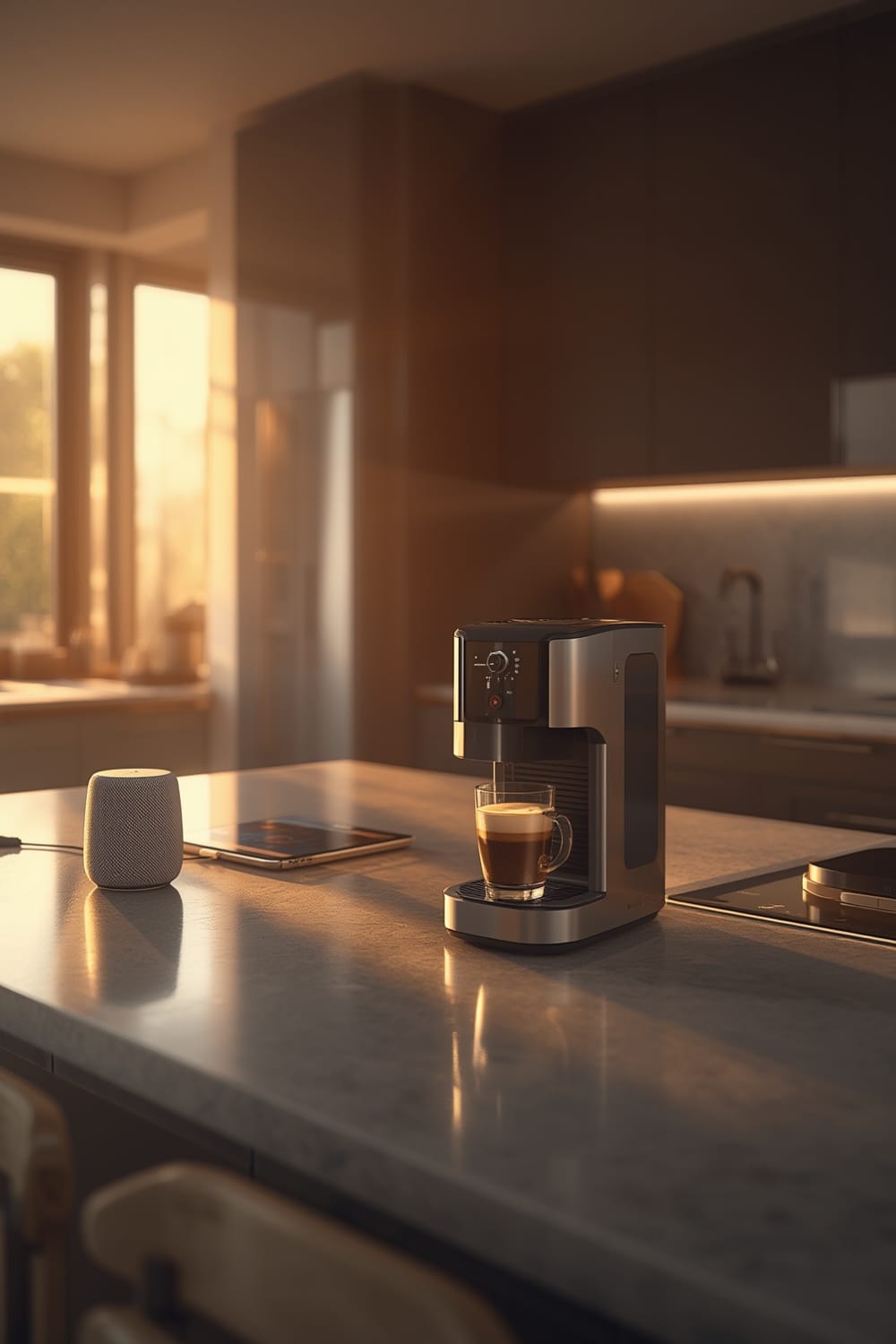
The global smart coffee maker market is booming. Some reports project a jump from $1.54 billion in 2025 to $1.78 billion in 2026, a growth rate of 15.5% [source]. Wi-Fi-enabled models made up over half the market by 2025. North America holds a 36.8% revenue share, but Asia Pacific’s adoption is rising fastest [source]. Household demand follows broader smart home trends—meaning these brewers are no longer niche. As “smart” standards like Matter compatible devices drive down connectivity headaches, coffee makers that integrate with routines, scenes, and voice commands have pulled ahead of simple programmable models.
Notably, brands like Keurig have installed systems in approximately 40 million US households, supporting the mainstream shift. Growth relies on both demand for convenience and reliable, repeatable brewing results. Users who want more than an on-off timer are increasingly looking for deeper integrations, similar to how posture correctors for desk users are now automatically adjusting feedback with AI.
How to Set Up and Use a Smart Coffee Maker
Setting up a smart coffee maker is generally a straightforward process—but the devil is in the details. Here’s a direct step-by-step guide for the typical Wi-Fi or Bluetooth brewer:
- Unbox and Inspect: Make sure you have all included parts (filters, carafe, instructions).
- Find the Right Spot: Place the machine where your Wi-Fi or Bluetooth signal is strong. Avoid dead zones.
- Connect Power: Plug your smart coffee maker into a grounded outlet.
- Download the Companion App: Most major brands (Keurig, Smarter, Café) require their free app. Install on your phone or tablet.
- Initiate Device Pairing: Open the app, select “Add Device,” and follow prompts to put your brewer in pairing mode. For Wi-Fi, you’ll connect it to your 2.4GHz home network (5GHz is usually unsupported).
- Configure Preferences: Select cup size, brew strength, temperature, and desired schedules—all from the app.
- Test and Integrate: Brew a test cup. Sync the coffee maker to your smart home hub or voice assistant (such as Amazon Alexa or Google Assistant) if supported.
- Set Up Automations: Use routines so your morning brew aligns with alarms, occupancy sensors, or scenes—mirroring smart routines found in scene controller use cases.
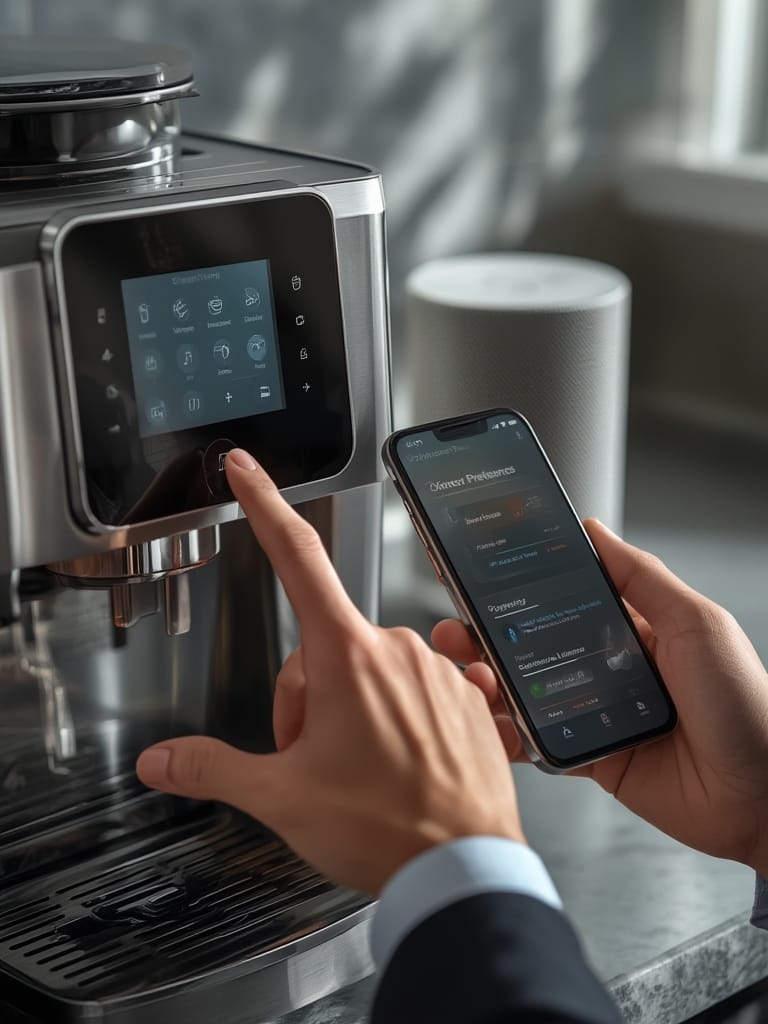
Don’t forget to enable app notifications—these can remind you when water or beans are low, or the machine needs descaling. For integrated setups, check if your system supports “predictive automation,” using AI-powered scheduling, similar to what’s found in agentic AI-enabled home automation. If you own other devices, like pool monitors or smart anxiety vests for dogs, consider linking alerts and routines for maximum convenience.
Advanced Analysis and Common Pitfalls
While smart coffee equipment promises next-level convenience, there are practical pitfalls and missing features that buyers need to know. Here’s what recent market data and technology analysis reveal:
Unaddressed User Complaints and Pain Points
- Connectivity Issues: Many models only support 2.4GHz Wi-Fi bands; complex pairing processes can frustrate users.
- App Reliability: Outdated or buggy apps can break automations, requiring resets or even a full re-pair.
- Voice Assistant Hassles: Not all brewers support every major assistant. If you’re building a cross-platform home—with devices like Matter protocol support—incompatibility could hamper your routines.
- Firmware Updates: Missed or failed firmware updates can knock your brewer offline or prevent feature upgrades.
- Limited Real Privacy Options: Usage data is collected for performance, but most brands don’t publish strong privacy or encryption standards. Privacy shutters, popular for smart cameras, aren’t a coffee appliance standard yet.
- Replacement Parts & Longevity: Proprietary or discontinued apps and cloud platforms could “brick” your machine down the line, unlike traditional brewers with simple controls.
Cost Comparison Table: Smart vs Traditional Coffee Makers
| Type | Initial Cost | Ongoing Maintenance | Long-Term Usability | Smart Home Integration |
|---|---|---|---|---|
| Traditional Coffee Maker | $50–$200 | Low | 10+ years | None |
| Smart Coffee Maker | $150–$700+ | Moderate (app, updates, Wi-Fi issues) | 3–7 years (subject to app/cloud support) | Full (if compatible) |
*Real-world costs and maintenance depend strongly on brand, features, and whether the machine supports upgrades for new smart home protocols over time.
Security and Privacy Risks
- Data Collection: Usage stats are often collected but privacy controls are rarely user-friendly or well documented. Machine learning-based brewing preferences might profile your routines.
- Lack of Encryption Disclosure: Most brands don’t detail encryption, authentication, or protections—unlike some categories, such as biometric locks, where standards are improving.
- Vulnerability to Network Attacks: Any device on your network—especially if it’s cloud-managed—could be a possible entry point.
Smart Features: What Matters Most?
- Mobile App Integration: Remotely schedule and customize brewing (strength, temperature, timing).
- AI-Based Optimization: Some brewers recommend or auto-adjust drinks based on usage, paralleling the growth of agentic AI in autonomous homes.
- Advanced Voice Control: Not universal—check exact assistant compatibility and limitations before you buy.
- Touch & App Interfaces: Touchscreens aren’t always easier than physical controls; app UIs can lag on updates or accessibility.
- Cloud-Based Analytics: Enables new routines but grows privacy risk.
Conclusion
Smart coffee makers deliver genuine convenience for busy households, but users must balance upfront cost, support lifespan, app reliability, and privacy risk before switching from traditional brewers. For early adopters ready to integrate high-tech brewing into their routines, the benefits—automation, AI tailoring, and app scheduling—match modern smart home expectations. If you’re researching the best approach, be sure to weigh each feature, and remember reliability is as important as innovation when it comes to your daily Smart Coffee experience.
Ready to transform your mornings? Explore feature comparisons and compatibility guides, and don’t miss our practical tips for making every smart device work for you.
FAQ
What devices are smart coffee makers compatible with?
Most smart coffee makers support iOS and Android apps. Some link with voice assistants like Alexa, Google Assistant, and Siri. For full smart home integration, check if they support standards like Matter protocol.
Can smart coffee makers be used without the app?
Yes, most offer manual controls for basic brewing, but advanced options—like remote start, voice control, and scheduling—require the app.
Is the data collected by smart coffee apps secure?
Most brands collect usage stats to optimize the machine but do not clearly publish their security or privacy practices. For maximum safety, keep these devices on a guest network.
How long does a smart coffee maker typically last?
Lifespan ranges from 3–7 years, but depends on app/cloud updates and availability of replacement parts. Traditional coffee makers, in contrast, can last over 10 years with minimal maintenance.
What happens if the manufacturer stops supporting the app?
App or cloud platform discontinuation may limit smart functionality, leaving only basic brewing modes accessible through the hardware.