

Leak Valve devices are one of the simplest ways to prevent thousands of dollars in water damage from burst pipes, leaks, or unexpected plumbing failures in modern homes. Most people do not realize how common and expensive water damage can be until it happens—catch it early and you avoid disaster. This guide delivers no-nonsense advice about smart leak valves, costs, installation, and real-world pitfalls so you can decide if leak detection and automatic shutoff systems make sense for your home.
Key Takeaways
- About 1.5% of insured homes file water damage claims every year—often due to pipes freezing or bursting.
- Smart leak valves or automatic water shutoff devices are inexpensive compared to the average water damage claim, which exceeds $27,000.
- Choosing a leak valve system involves real trade-offs including compatibility, false alarms, and installation effort.
- What Is a Leak Valve and Why Does It Matter?
- How To Install and Use a Leak Valve: Step-by-Step
- Advanced Analysis & Common Pitfalls
- Conclusion
- FAQ
What Is a Leak Valve and Why Does It Matter?
A leak valve (often called an automatic water shutoff valve or smart leak controller) is an electronic device that sits on your home’s main water line. Its job is simple: shut off the flow of water if a leak or burst pipe is detected, minimizing damage and preventing a small drip from escalating into a major insurance claim.
Each year, thousands of US homeowners experience the stress and cost of water leaks. According to industry research, about 250,000 US homes suffer frozen or burst pipes every winter. Water damage from freezing pipes accounts for an estimated 11–20% of all homeowners insurance claims. Even a single event often costs tens of thousands to fix and causes hassle that a simple automatic shutoff could have prevented.
Smart water valves are now smaller and more affordable. Some models integrate with WiFi apps for remote alerts, while others work standalone with basic sensors. This tech is part of a new wave of home automation similar to systems like Matter compatible devices—which help bridge compatibility issues across brands and platforms.
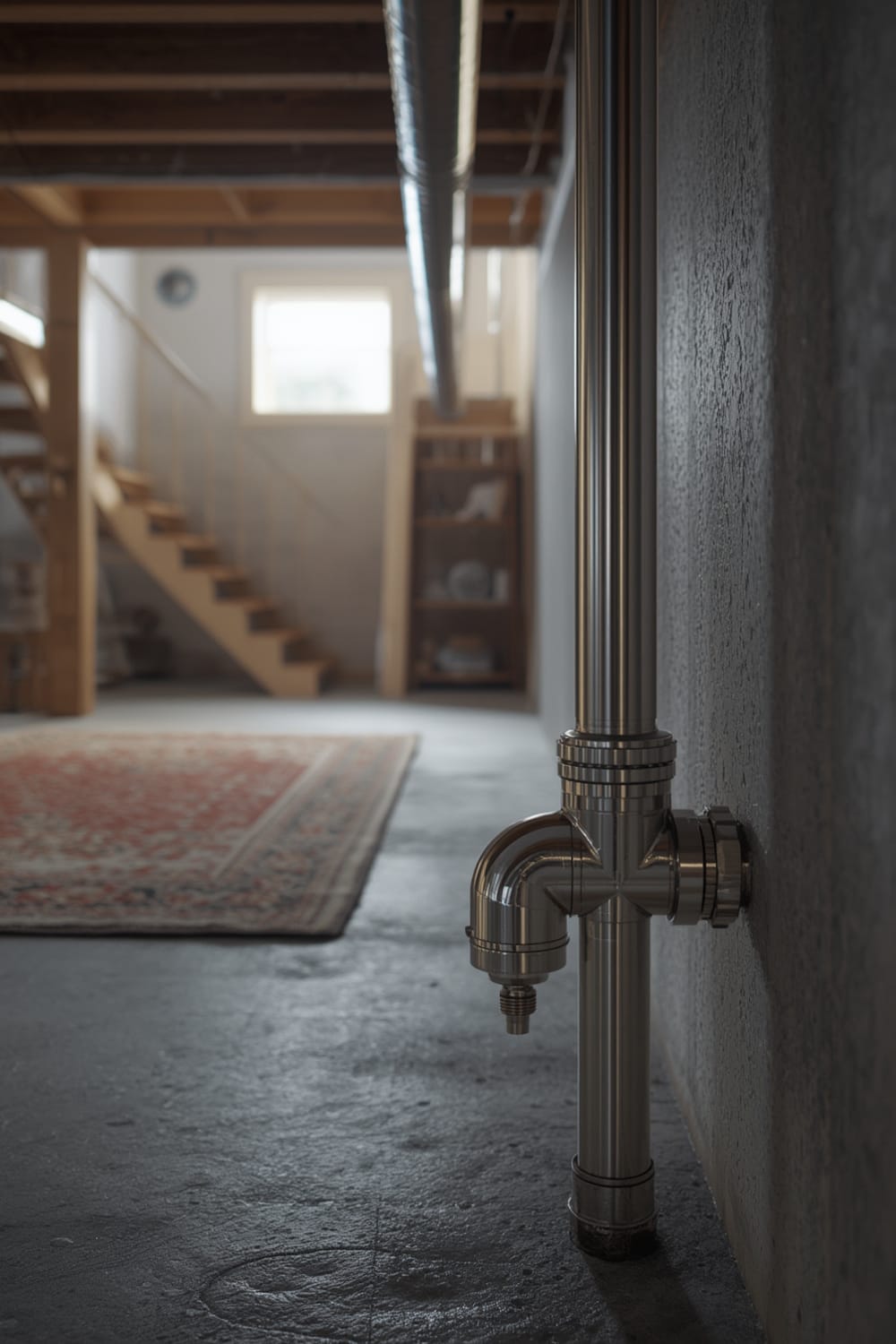
Leak valves matter in any climate, not just in cold regions. Sudden plumbing failures, failed hoses, and slow drips can all lead to mold, costly repairs, and lost valuables. While many people only take action after their first incident, installing a leak valve before disaster pays off in peace of mind—and can sometimes help in discussions with your insurance company.
Comparing water security to things like a solar floodlight camera or biometric lock shows how integrated safety tech is reshaping homeownership. Leak detection is often overlooked, but the data shows the risk is real and ongoing.
How To Install and Use a Leak Valve: Step-by-Step
Most homeowners can install a basic leak valve in a couple of hours, but smart systems and whole-home shut off options may need a plumber. Follow these steps for a realistic, frustration-free setup:
- Identify Your Main Water Line
Find the point where water enters your home (usually in the basement, utility room, or crawl space). The leak valve will go here, before branches to other plumbing. Turn off the main supply before any work. - Choose the Right Leak Valve System
Decide between a manual shutoff valve with water sensor (cheap, no smart features) or a smart shutoff controller (integrates with WiFi or home automation). For smart systems, match valve size and check compatibility with your phone or smart home platform—see the latest Matter compatible devices list for integration tips. - Prepare Tools and, If Needed, Schedule a Plumber
Basic installs need a pipe cutter, wrenches, and Teflon tape. Some smart valves clamp over existing pipes, but many require a plumber to cut and fit securely. - Install Sensors
Place water sensors in strategic leak spots—under sinks, near your water heater, behind toilets. Most smart valves connect to multiple sensors around the house for better early warning. - Connect and Test
Power the valve (battery or plug-in). Connect to your WiFi or smart home hub if supported. Simulate a leak by wetting a sensor to ensure the valve triggers and shuts off the supply instantly. - Set Up Mobile Alerts
For smart systems, use the companion app to get instant alerts on water leaks or valve closure. Customize your notification settings.

Don’t forget: even smart valves benefit from periodic checks. Add a quarterly testing reminder on your home maintenance app or alongside routines such as checking your air purifier’s PM2.5 sensors or cleaning your gutter guards.
Installation costs can range from $50–100 for DIY leak sensors up to several hundred dollars for professional full-system setups. Ongoing costs are minimal unless batteries need regular replacement or your WiFi system requires subscription cloud features.
Advanced Analysis & Common Pitfalls
While leak valve technology is simple, homeowners often encounter complications:
- False Alarms: Poorly positioned sensors or high humidity can trigger unnecessary shutoffs, disrupting water when you least expect it.
- Compatibility Issues: Not all valves fit every pipe size or connect to every smart home hub. Double check pipe diameter and integration with platforms like Apple, Amazon, or Matter protocol. If you use multiple smart devices (like a dual zone smart air fryer or golf watch), aim for unified app support.
- Connectivity Problems: WiFi-only smart valves can stop working if you lose signal during a storm—consider a 4G-enabled option for critical lines.
- Ongoing Maintenance: Most valves are low-maintenance, but some require battery swaps, firmware updates, or app subscriptions. If you ignore maintenance, failure rates go up when you need protection most.
- Insurance Impact: Many homeowners ask about insurance discounts for leak valves. As of now, there is no widespread discount from leading carriers, according to recent claims data.
| Leak Valve Type | DIY-Friendly | Average Cost (incl. Install) | Requires WiFi? | Manual Override? |
|---|---|---|---|---|
| Basic Sensor/Alarm | Yes | $50–100 | No | N/A (Alarm only) |
| Smart Shutoff Valve | Often No | $200–600 | Yes | Usually |
| Z-Wave/Matter-Ready Valve | Sometimes | $300–700 | Required | Yes |
See also: For more device integration tips, visit our guide on how to set up Matter smart home.
According to Rainbow International’s data, more than half of leak detection installs only happen after a damaging leak or after a friend suffered major loss. Early adoption is rare but offers the biggest safety and cost benefits.
Conclusion
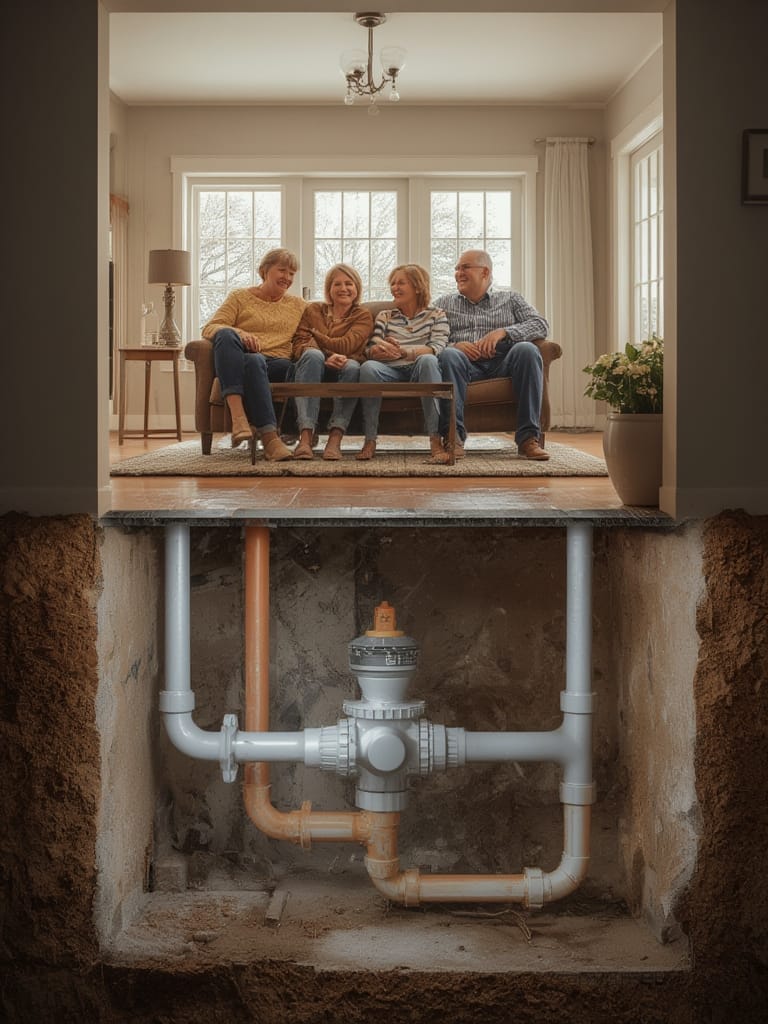
A leak valve is a high-impact, low-cost addition to any home, offering a practical solution to one of the most common and destructive threats: water leaks. The risk of a major water damage claim is real and rising, with average losses exceeding $27,000. Installing a leak detection and automatic water shutoff system reduces stress, adds a layer of home automation, and could someday improve your standing with insurers—though discounts aren’t common yet.
Ready to take the next step? Compare available leak valve models, think about your unique risk zones, and get started with a quick DIY sensor setup or plan for a smart valve upgrade. Your future self will thank you.
FAQ
What is a leak valve and how does it work?
A leak valve is a device installed on your home’s main water line. It either triggers an alarm on water detection or automatically shuts off your water supply when a leak or pipe burst is detected. Some versions connect sensors around your home and use WiFi or smart home integrations for remote alerts.
Do leak valves require professional installation?
Basic water sensors are DIY-friendly. However, most automatic shutoff valves, especially smart models, require pipe cutting and plumbing skills—or a licensed plumber for safe installation.
Can a smart leak valve prevent all water damage in my home?
No system is foolproof. While a leak valve can stop catastrophic pipe leaks, it might not catch very slow drips, appliance overflows, or issues behind walls where no sensor is placed. Placement and maintenance matter.
Will adding a leak valve lower my insurance premium?
As of now, major carriers like State Farm do not consistently offer discounts solely for leak valves. Still, having a system in place can expedite claims and limit costly damage if an event occurs.
What ongoing maintenance do leak valves need?
Most require annual battery checks for sensors, plus periodic valve tests. Smart systems may need WiFi updates or app maintenance. Always test after power outages or plumbing work.