

Heated Jacket technology delivers targeted warmth for people braving cold weather, whether you’re walking to work or spending hours outdoors. These battery-powered garments use built-in heating elements and smart fabric choices to keep you comfortable longer—often at the push of a button. In this post, we cut through the marketing and deliver straight, actionable insights for anyone thinking about buying or upgrading a heated jacket.
Key Takeaways
- Battery life, bulk, and comfort are real pain points with current heated jacket options.
- Charging times, waterproofing, and safety certifications are often missing from product specs—do your homework before buying.
- New models offer more heat zones and features, but prices can rise quickly for the best tech and materials.
- What is a Heated Jacket and Why Use One?
- Step-by-Step Guide: How to Choose and Use a Heated Jacket
- Advanced Analysis & Common Pitfalls
- Conclusion
- Frequently Asked Questions
What is a Heated Jacket and Why Use One?
A heated jacket is a garment with integrated heating elements powered by batteries, designed to keep you warm during cold weather. Common in vests, coats, and even thermal underwear, these garments are built for everyone from city commuters to mountain hikers. The appeal? Consistent body warmth, especially for people spending time outdoors when layering up just isn’t enough.
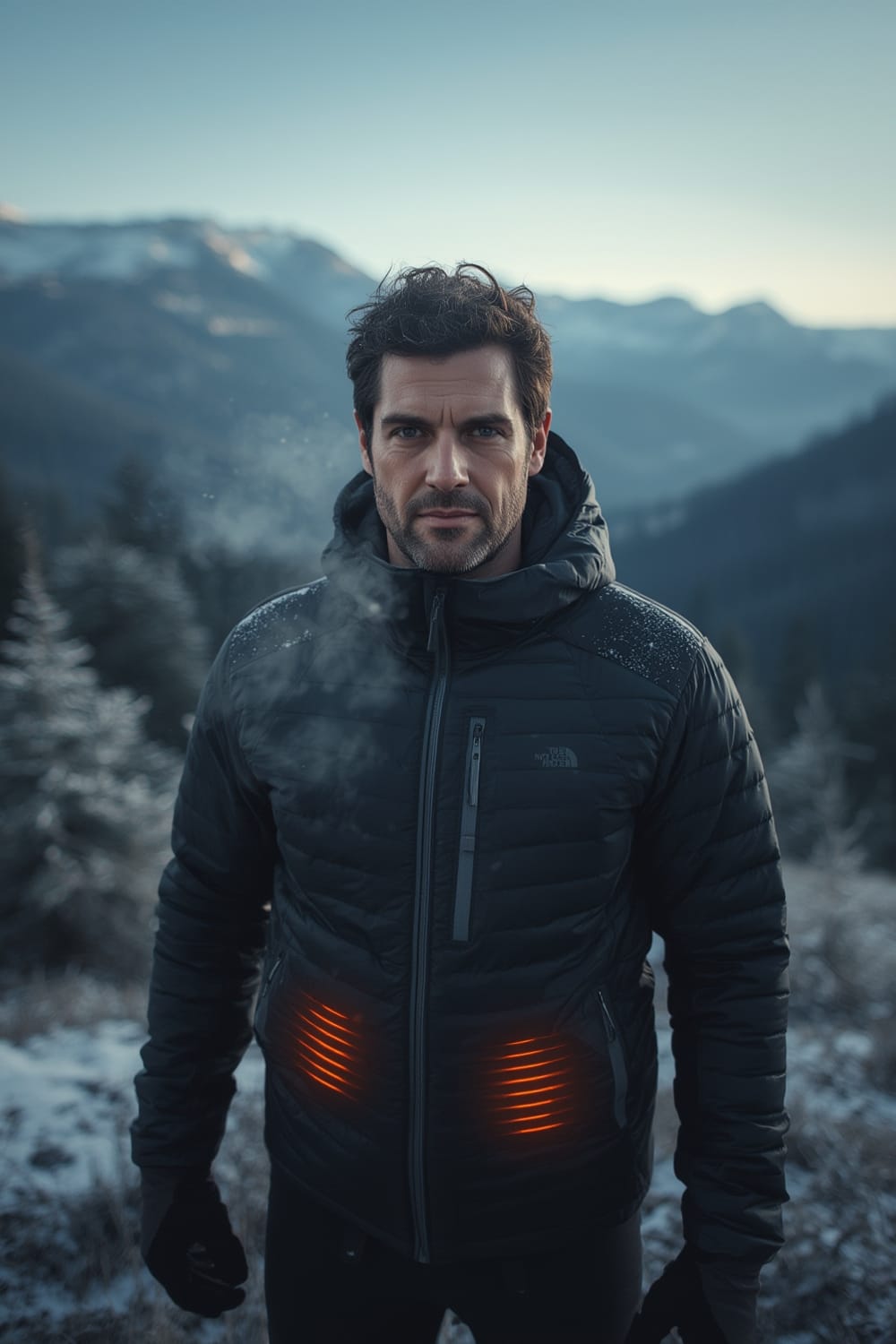
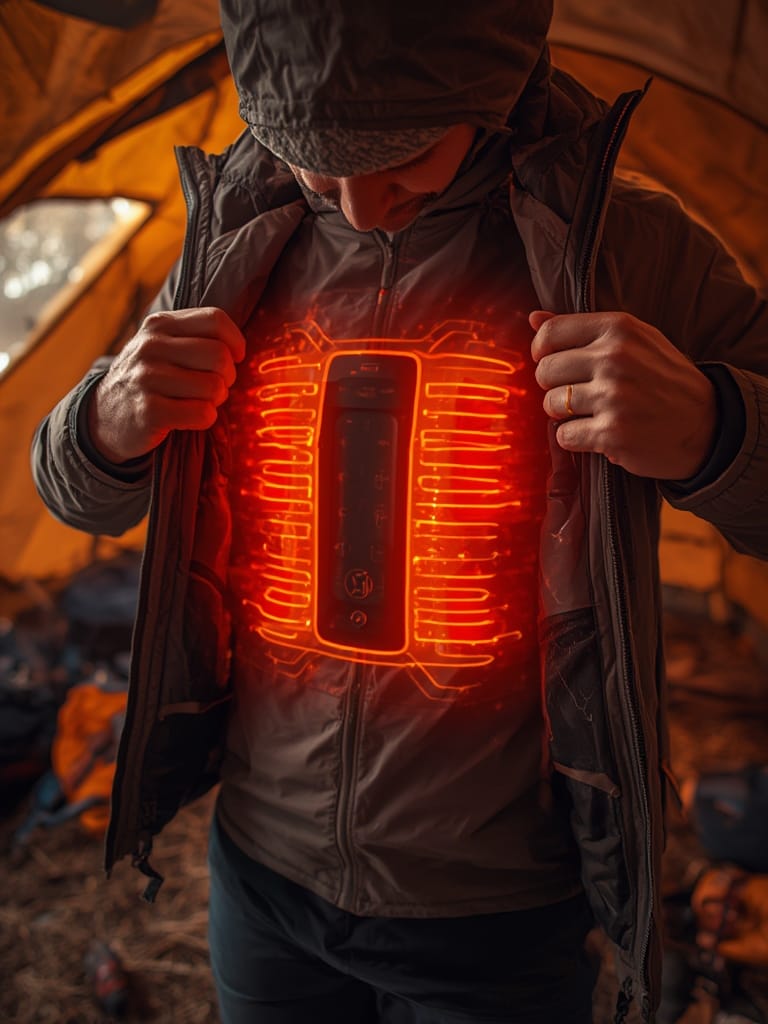
Most heated jackets use carbon fiber or metal wires stitched into panels across the chest, back, and sometimes arms or collar. You control the level of heat via a button on the jacket or a phone app. Unlike passive layers, these jackets actively produce warmth. They’re especially popular with outdoor workers, bikers, skiers, and hunters.
Some newer vests can even be powered by a USB power bank—offering flexibility similar to Matter compatible devices, which are trending in smart home tech for their universal compatibility.
Step-by-Step Guide: How to Choose and Use a Heated Jacket
- Identify your use case. Are you seeking lightweight warmth for urban errands, or high-powered heat for extended time in the backcountry? For hunters, mobility is crucial, so focus on vests or thinner jackets; for workers, durability and full coverage matter.
- Check heat zones and controls. More premium jackets offer extra heated areas (like the Ororo Advanced Vest’s seven zones), which make a difference in real cold. If you want precise temperature control, dual heating zones or variable levels are useful (source).
- Evaluate battery life and recharge strategy. Many jackets, such as the Ororo Original Vest and Savior Heat Vest, last up to 8 hours on low, but battery life drops sharply at max heat. For all-day warmth, pick models with user-replaceable batteries or USB power bank compatibility (source).
- Inspect fit, comfort, and materials. Sizing runs small on some models, and stiff or noisy fabrics can ruin the experience. Flexible, breathable linings like silver mesh (in the Venustas Vest) add comfort without bulk.
- Look for key safety features. Essential protections include auto shut-off, overheat sensors, and low-voltage operation. Never ignore burning smells or brown spots—these point to overheating.
- Understand durability and layering limitations. Heated jackets are bulkier than standard layers, sometimes limiting what you can wear underneath. Not all jackets are true waterproof or windproof, even if marketed as such.
- Research price vs. performance. Entry models start near $150, but advanced features add cost. Expect investment for top-tier heat, extra zones, or cutting-edge controls. Read user reviews before deciding.
If you’re tech-savvy, try integrating your jacket with other smart gear, such as a PM2.5 monitor (to check air quality while hiking) or even sync your timing with AI-driven routines, much like Agentic AI smart home systems anticipate daily needs.
Advanced Analysis & Common Pitfalls
While heated jackets are effective, real-world reviews point out consistent downsides and gaps:
- Battery degradation: Battery life can drop from 8 hours to less than 3 on highest heat. The last 1-2 hours often produce only faint warmth.
- Bulk and fit: Many heated jackets run small and are bulkier due to built-in wires and batteries. This can restrict movement and layering options—a concern not addressed in most hunting or sport-specific guides.
- Comfort issues: Some models use stiff, crinkly fabric that makes noise or feels uncomfortable for long wear. Heavier batteries may pull at the fabric or feel awkward in a pocket.
- Lack of technical clarity: Specs such as waterproof ratings, heat temperature ranges, and charging times are often omitted. This makes it difficult to compare products directly (source).
- Field durability: While some vests are machine washable, rough outdoor use may weaken seams or damage heating elements if care instructions aren’t followed. Not all products are suitable as standalone coats in extremely harsh conditions (source).
- Safety warnings: Any sign of burning smell, brown spots, or excess heat means you should stop use immediately. Most brands follow basic safety by offering overheat protection and auto shut-off, but you should still use only certified power banks and follow instructions closely.
| Model | Battery Life (hours) | Battery Capacity | Charging Time | Other Notes |
|---|---|---|---|---|
| Ororo Original Vest | Up to 8 | Not specified | Not specified | 3 heat settings; heated collar, back, pockets; machine washable (source) |
| Savior Heat Vest | Up to 8 | 5200 mAh | Not specified | 3 heat settings; dual controls; smaller battery (source) |
| Venustas Vest | Longest in tests (outlasts competitors) | Not specified | Not specified | Larger heated zones; silver mesh lining; S-5XL; slow heat-up (source) |
| Ororo Advanced Vest | Not specified | Not specified | Not specified | 7 heat zones; dual controls; highest temps; supple texture (source) |
| WellaHeat Vest | Reduces on high (not specified) | USB power bank (sold separately) | Not specified | Instant heating; adjustable levels; effective under shell (source) |
| Venustas Heated Jacket | ~10 on low (last 1-2 hours fade) | Not specified | Not specified | Multiple levels; strong heat (source) |
Price remains a common sticking point. Quality heated jackets typically begin around $150, but advanced features—more heating zones, premium batteries, finer materials—push prices up quickly.
Safety certifications are also a concern. While brands use built-in protections, there’s little clear info about meeting strict US CPSC or EU CE standards. Always buy from reputable brands and use certified batteries to avoid hazards.
For more advanced buyers, note that recent reviews don’t cite new patented innovations since 2023. While this gear is catching up to trends seen in smart homes—like AI cooking appliances or Alexa compatible air fryers—heated jackets remain more evolutionary than revolutionary for now.
Conclusion
Heated jackets can be game changers for staying warm outdoors—if you know what to expect. Pay close attention to battery life, comfort, and material quality. The Heated Jacket market keeps growing, but buyers must sift through the hype to find truly reliable, comfortable models. Ready to upgrade your cold-weather gear? Review advanced specs, read real-world feedback, and invest in genuine safety features.
Explore our deep dives on related technology like smart anxiety vests and aquarium monitors—innovation is everywhere. Stay warm and choose smart.
Frequently Asked Questions
How long does a heated jacket battery last on a single charge?
Most batteries last about 8 hours on low, but at high heat you might only get 2 to 3 hours. Some models stretch to 10 hours, but the last hour or two may provide much less warmth.
Can you wash a heated jacket?
Yes, many models are machine washable if you remove the battery first. Always check the manufacturer’s care instructions to avoid damaging the wires or heating elements.
Are heated jackets safe to wear in rain or snow?
Some jackets offer water-resistant fabrics, but clear waterproof or windproof ratings are rarely published. For extended exposure to wet conditions, wear a shell over your jacket.
What are the top features to look for in a heated jacket?
Look for adjustable heat zones, durable and comfortable fabric, battery capacity, and reputable safety protections like auto shut-off and overheat sensors.
Can you use third-party power banks with a heated jacket?
Only if the jacket is designed for USB power. Always use certified, high-quality power banks to prevent safety issues.