

AI Oven technology is rapidly transforming how we cook, making kitchens smarter, more efficient, and directly integrating advanced artificial intelligence features like cameras and food recognition.
Key Takeaways
- The global smart oven market is experiencing double-digit growth as AI features and cameras become mainstream, but costs and true food recognition accuracy remain unclear.
- AI-enabled ovens distinguish themselves with real-time cooking adjustments, recipe suggestions, and remote monitoring — going far beyond standard smart ovens.
- Most competitor reviews ignore crucial downsides like technical glitches, the cost of ownership, and realistic food recognition accuracy issues.
- What is an AI Oven and Why Are They Disrupting Modern Kitchens?
- How to Choose and Maximize AI Ovens: A Step-by-Step Guide
- Advanced Analysis & Common Pitfalls
- Conclusion
- FAQ
What is an AI Oven and Why Are They Disrupting Modern Kitchens?
An AI Oven combines traditional convection or combi-oven heating with on-board artificial intelligence, often including cameras, sensors, Wi–Fi connectivity, and food recognition algorithms. These features let the oven recognize what’s inside, suggest personalized recipes, and optimize cook times and temperature based on real-world conditions. For many families, AI ovens promise to automate repetitive tasks, reduce cooking errors, and reshape kitchen routines. Unlike conventional smart ovens, AI-powered models aren’t just remote-controlled—they learn and actively manage the cooking process.

The smart oven category is projected to grow rapidly—from an estimated USD 2.4 billion in 2024 to USD 6.4 billion by 2030, driven by AI and IoT capabilities (Strategic Market Research). Built-in oven models with premium AI features are gaining momentum as homes themselves become networked and more autonomous. The broader kitchen appliance sector is moving in a similar direction, especially in regions like Asia Pacific and Europe, where consumer expectations for smart integration are strongest (GMI Insights).
For homeowners focused on true inter-device compatibility, protocols like the Matter compatible devices ensure their AI oven talks to everything from Google and Alexa to other IoT devices.
How to Choose and Maximize AI Ovens: A Step-by-Step Guide
-
Evaluate Your Kitchen Needs and Layout
Start by measuring your available space. Decide if a countertop or built-in oven suits your routine. Consider ventilation, electrical requirements, and whether you want an oven that can integrate with other smart devices, especially if your home leverages Matter compatible devices. -
Check Compatibility and Connectivity
Not all AI ovens connect seamlessly with your smart home ecosystem. Look for models supporting Wi-Fi, voice control, and IoT (bonus if they use open standards). -
Assess AI Features and Camera Integration
Prioritize features that match your daily habits. Do you want automated recipe suggestions, real-time cooking monitoring, or just basic food recognition? Remember — the best AI ovens should suggest recipes based on past history and adapt cooking in real time. -
Understand Maintenance and Support
Since AI ovens are cutting-edge, review manufacturer support policies, software update plans, and camera cleaning requirements. Without active support, these features can lapse or fail. -
Plan for Data Security
Internal cameras may capture sensitive moments. Ask about local data storage versus cloud uploads, security updates, and privacy controls. -
Budget Realistically
As of 2024, public sources don’t disclose definitive purchase, installation, or maintenance costs for AI ovens with cameras. Expect prices above standard ovens (often in the $800-$3000 range), factoring in potential installation or electrical upgrades.
Looking to go even further? Try integrating your AI oven with an agentic AI system for predictive automation. Agentic AI enables your oven and other smart devices to act proactively, prepping pre-heating or scheduling meals based on your past routines. This is true hands-off convenience that many traditional smart ovens can’t match.
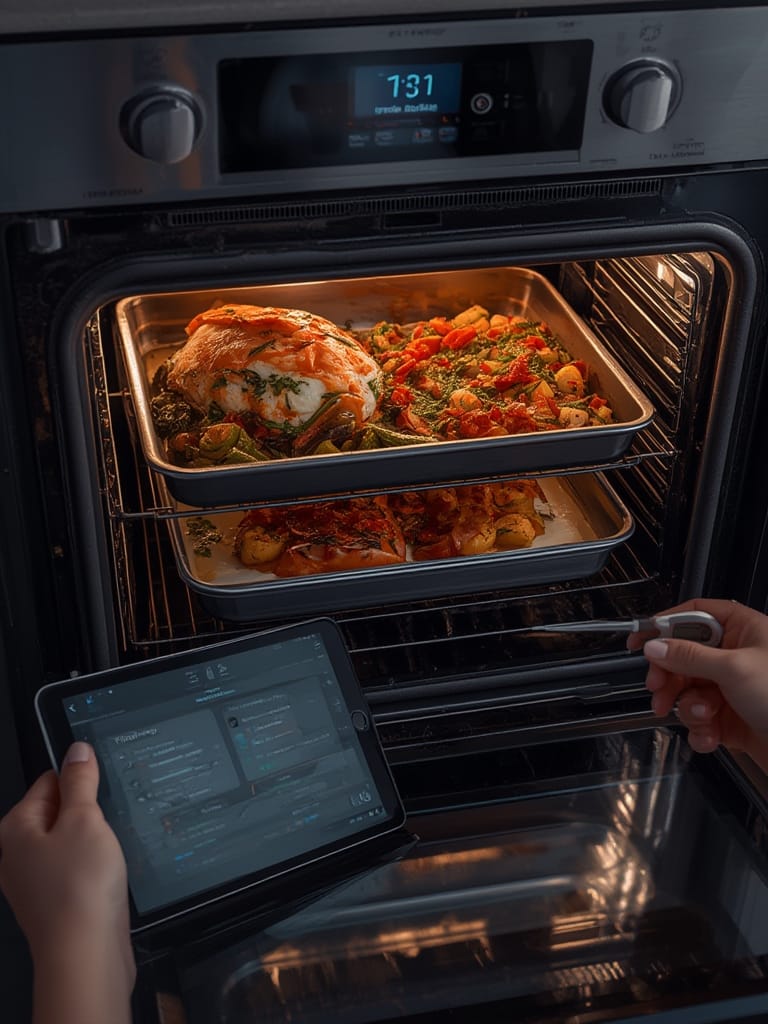
- If you’re already using Matter compatible devices, check if your chosen AI oven offers direct integration for scene-based automations.
- Explore whether your oven works with popular voice assistants for easy hands-free cooking control.
- For the best experience, use the manufacturer’s recommended apps for software updates and feature unlocks.
Advanced Analysis & Common Pitfalls
While the AI oven market is advancing fast, most consumer guides overlook three core issues that can impact your satisfaction and ROI:
| Pitfall | Why It Matters | How to Avoid |
|---|---|---|
| Unclear AI Food Recognition Accuracy | No independent or manufacturer data confirm how reliably AI ovens identify foods — mistakes could spoil results or cause undercooking. | Test with common and less-common ingredients; don’t rely solely on default presets, and keep an eye on results for new recipes. |
| No Real-World Complaint Data | Sources do not provide first-hand complaints about cameras or food recognition malfunctioning, but anecdotal reviews suggest software bugs and connection issues are likely. | Purchase from brands with robust support and updates. Read forums and look for recent user reports before committing. |
| Opaque Privacy and Security Practices | No public information on how images or kitchen activity are stored, transmitted, or protected. Data mishandling is a real risk as kitchen cameras become prevalent. | Demand clear privacy disclaimers from the manufacturer, ask about local storage, and disable camera if it’s not needed. |
| Hidden Costs | Most reviews omit ongoing software subscription costs or higher service rates for specialized AI repairs. | Request a written estimate for installation and expected maintenance, not just purchase price. |
Looking for a breakdown of the oven market’s projected growth and technology roadmap? The Future Market Insights report offers an evidence-based look at AI and IoT’s influence through 2034.
Smart oven competitors leverage deep learning and their own proprietary datasets, but details on datasets or recognition rates remain undisclosed. If you’re specifically concerned with privacy (especially with camera features), make sure your oven complies with updated privacy protocols and only transmits data you approve.
Smart ovens with advanced features such as AI-powered recipe suggestions, remote monitoring, and agentic AI predictive home automation far surpass basic smart models. If data integration is critical for your kitchen, combining an AI oven with an autonomous smart home platform unlocks new layers of automation.

Conclusion
The road to the perfect AI Oven isn’t without bumps. While these appliances promise transformational convenience, real-world concerns around data security, cost transparency, and feature reliability can’t be ignored. Do your homework, push manufacturers for direct answers, and always prioritize your core kitchen needs over hype. If you’re ready to make your cooking routine smarter, now’s the time to explore, but stay alert to hidden limitations.
Ready to future-proof your kitchen? Research today’s best AI oven options, and don’t forget to check for integration with both Matter smart home protocols and agentic AI routines. Stay safe, and enjoy the journey to smarter cooking.
FAQ
How accurate is food recognition in current AI ovens?
No verifiable accuracy rates are published by manufacturers or independent testers. User experience varies, so manual double-checks are still needed for complex dishes.
Are AI ovens with cameras secure and private?
Presently, no brands publicly detail their privacy or security protocols for internal cameras. It’s best to consult support directly before purchase and use privacy covers if concerned.
What extra costs should I expect besides the oven purchase price?
Expect possible installation or electrical upgrades, plus ongoing maintenance and potential software subscription fees. As of 2024, manufacturers rarely disclose these in marketing materials.
Can my AI oven connect to other smart home platforms?
Most leading AI ovens offer Wi-Fi and sometimes work with Alexa or Google Home. To ensure seamless integration, check if your oven supports protocols like Matter.
What’s the difference between a standard smart oven and an AI oven?
AI ovens use food recognition, adaptive cooking algorithms, and cameras for real-time optimization. Standard smart ovens focus on remote controls and static presets.
—