

Health Collar technology is transforming how pet owners monitor their dog’s safety and well-being in real time. With rapid advances in smart pet wearable adoption and demand for precise health metrics, understanding what these collars offer—and what pitfalls to avoid—has never mattered more.
Key Takeaways
- Health Collar adoption is growing globally, with the smart pet collar market expected to reach $2.6 billion by 2030.
- Data on comparative features, user complaints, pricing, and data security for leading collars is limited—sensible buyers must research carefully.
- While dog GPS and biometric monitoring are trending, proven health outcomes and full veterinary integrations remain underexplored.
- What Is a Health Collar? Understanding the Core Concepts
- How to Use and Choose a Health Collar: Step-by-Step
- Advanced Analysis & Common Pitfalls
- Conclusion & Next Steps
- Health Collar FAQ
What Is a Health Collar? Understanding the Core Concepts
Health Collars are smart wearables for dogs that track health and activity through sensors built into a collar. Their main functions include GPS tracking, biometric monitoring (like heart rate), and activity analysis, all accessible via a mobile app or dashboard. These collars aim to help owners safeguard their pet’s safety, spot unusual changes in behavior, and even share data with veterinarians.
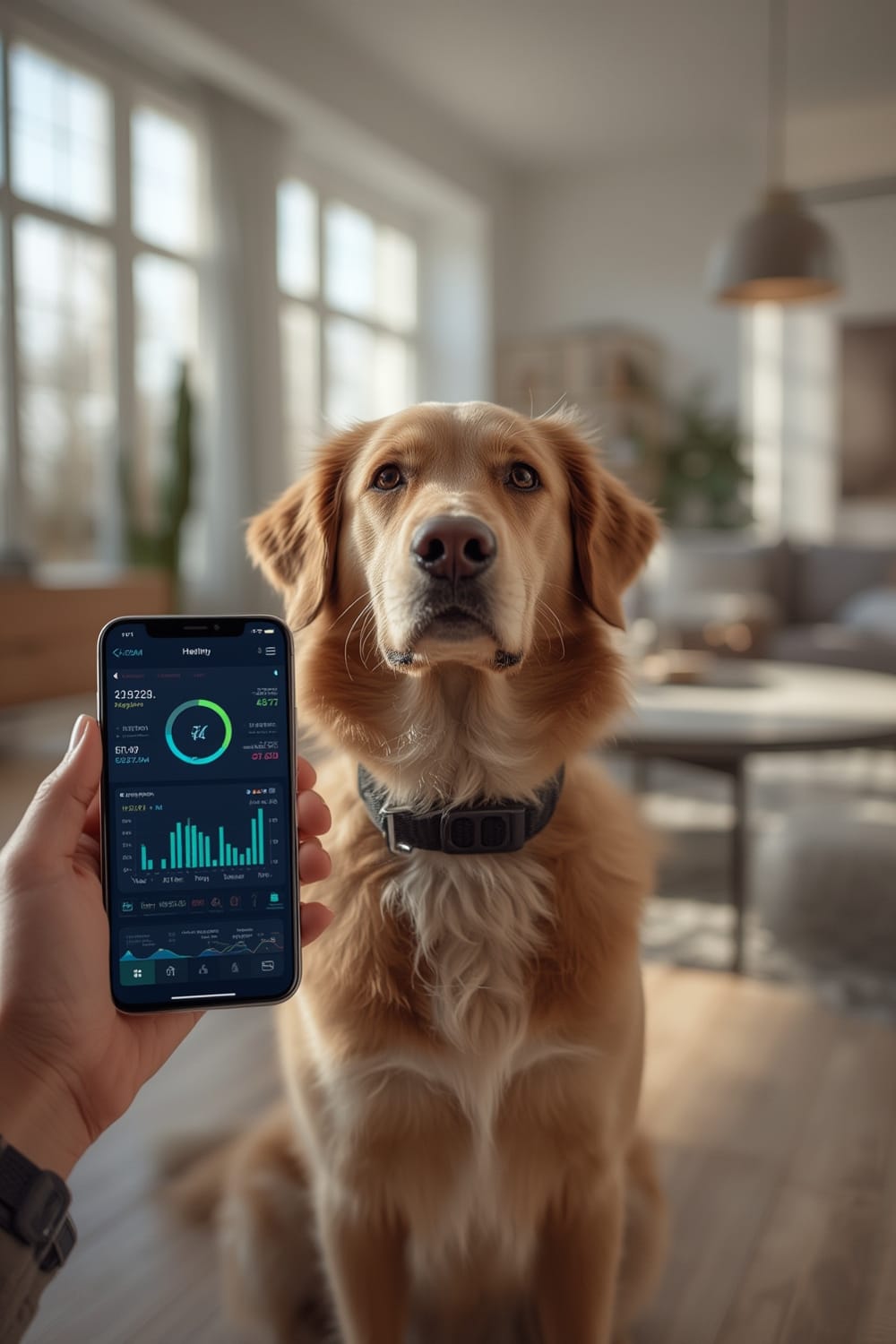
Demand is surging worldwide. The global smart pet collar market was valued at USD 1.2 billion in 2024, with projections heading to USD 2.6 billion by 2030 at a strong 15.4% CAGR. Market growth is fueled by pet GPS trackers, health metrics, and increasingly sophisticated devices. North America leads, holding over 40% of the market, followed by the EU and Asia—each adapting quickly to the growing “Fitbit for dogs” trend.
Interest in smart dog collars now rivals other trending areas of home and pet tech, alongside innovations like app-controlled air fryers and pet water consumption monitors. Yet, despite their promise, critical gaps exist in transparency and proof of health impact. Let’s explore how to use them well, and what to watch out for.
How to Use and Choose a Health Collar: Step-by-Step
- Define goals and priorities. Decide if your key aim is GPS tracking, biometric monitoring, activity analytics, or all of the above. If you’re most concerned about pet location (think escapes or theft), focus on devices with high GPS accuracy.
- Research feature transparency. Because brand-by-brand comparisons are not widely published, pay close attention to manufacturer-provided stats on battery life, waterproofing, and supported metrics. Don’t rely solely on marketing claims. Dig into technical specs and independent reviews if they exist.
- Assess compatibility. If you use other pet tech—like an automated smart litter box or mini pet GPS tracker—make sure your health collar works within your app ecosystem and can sync with your devices where possible.
- Budget for all costs. Check for hidden fees: does the collar require a monthly subscription for GPS or cloud data? “No subscription” devices look appealing up front but may have tradeoffs in update frequency or data retention. Always demand clear information on total cost of ownership.
- Test fit and comfort. Adjust the collar to your dog’s neck, making sure it’s not too tight or too loose. Track initial signal reliability, and ensure your dog isn’t bothered by the device’s presence.
- Link with a veterinary provider. If your collar supports data sharing with a vet, set up the platform’s integrations. For future proofing, ask your provider if they recommend collars that link directly to their practice management systems. This can be a game-changer for health monitoring.
- Monitor usage and adjust settings. Use the app’s dashboard to review activity, adjust alert settings, and check battery and connectivity status regularly.
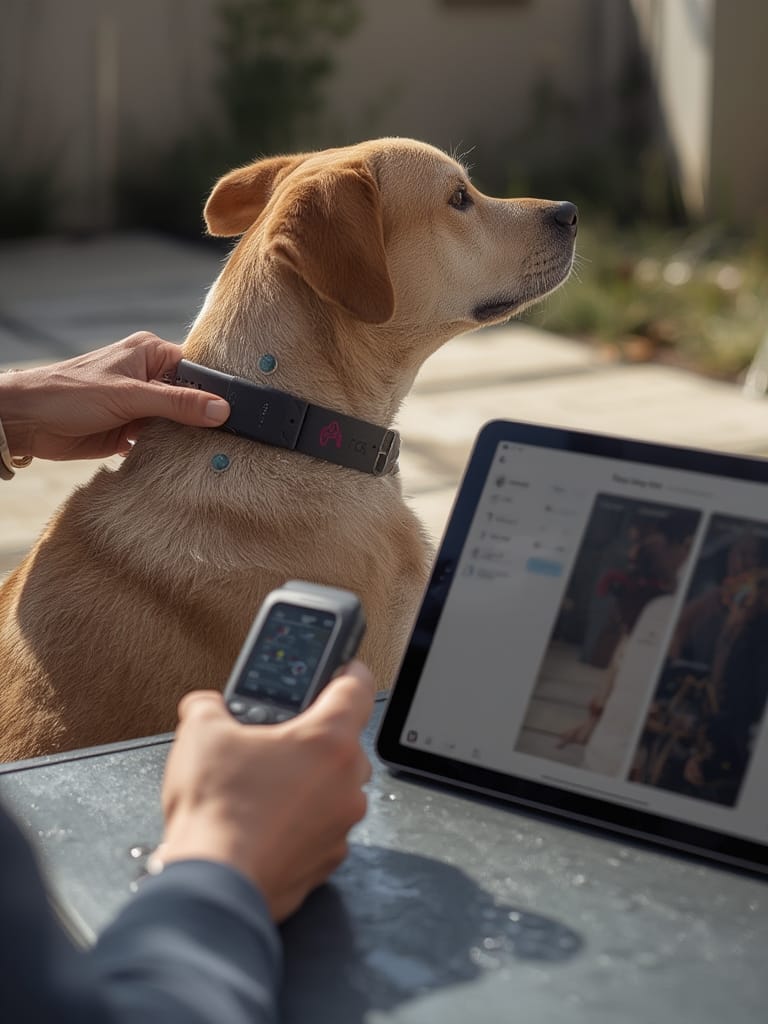
If maximizing tech synergy is a goal, consider upgrades to a Matter compatible device ecosystem so your home, pet tech, and security systems play nicely together. This level of integration can even allow future predictive automations—leveraging ideas similar to agentic AI for proactive routine management within smart homes and pet care.
Advanced Analysis & Common Pitfalls
Global Adoption and Market Gaps
While the global pet wearable market looks strong, with projections reaching $14.21 billion by 2036 (source), there are some notable challenges:
- Few real-world comparisons: There’s a lack of up-to-date, head-to-head data on leading health collar brands for crucial specs like GPS location precision, battery endurance, and robustness of health metrics. Buying often means relying heavily on manufacturer claims or scattered user anecdotes.
- Ongoing cost confusion: It’s difficult to find clear, side-by-side pricing comparisons for “no subscription” vs. subscription-based collars. Buyers risk surprise long-term costs or missing out on advanced monitoring features tied to cloud fees.
Common Pitfalls When Using Health Collars
| Pitfall | How It Happens | Prevention/Workaround |
|---|---|---|
| Unreliable GPS Signal | Thick fur, terrain, or outdated app may disrupt signal. | Test collar in your area before relying for unsupervised escapes. |
| Short Battery Life | High-frequency tracking drains battery quickly, especially on non-subscription devices with less advanced optimization. | Check battery specs for your pet’s daily pattern, and invest in backup charging strategies. |
| Data Privacy Risks | Few brands disclose their encryption or data retention standards; privacy policy may lack specifics. | Choose recognized brands, and periodically review app permissions and privacy policies. |
| Complex Setup or Pairing | Apps or Bluetooth pairing protocols may change; updates could break connections. | Document original setup, update apps sparingly, and contact support if sync fails. |
| Veterinary Data Integration | Most collars lack direct integration to vet systems, limiting real health value. | Look for third-party apps or platforms that offer vet data transfer, and request these features from brands you support. |
Several popular articles and reviews focus heavily on general benefits but rarely discuss genuine integration with veterinary software, real-world battery life, ongoing service costs, or compatibility with the broader “fitbit for dogs” ecosystem. Digging for this level of detail is essential if you expect seamless, trustworthy pet care tech.

There is also currently no substantial peer-reviewed data confirming that using a health collar alone improves your pet’s health or enables earlier disease detection—a reminder to view all claims with a healthy dose of skepticism.
Conclusion & Next Steps
Health Collars deliver powerful tools for pet tracking and monitoring, but lack of standardized comparison data, limited transparency on health benefits, and unclear costs mean smart buyers need to approach the market thoughtfully. Prioritize devices with upfront disclosures, test functionality early, and consider your broader smart ecosystem—especially if you already benefit from integrated solutions like remote monitoring appliances or air quality dashboards in your home.
Before you buy, remember that the right Health Collar is one that fits your needs, your dog’s comfort, and your preferred level of data privacy. Stay vigilant for new research and real-world stories as wearable technology evolves—and don’t hesitate to push brands for more transparency. Ready to take the next step? Start with small trials, and advocate for the features your pet truly deserves.
Health Collar FAQ
Do health collars work without a subscription?
Some health collars offer basic features or on-device data without a subscription, but advanced GPS or health analytics often require a monthly fee. Always confirm before purchase.
How accurate are heart rate and health metrics on smart collars?
There is little independent data on the accuracy of heart rate readings or detailed health metrics. Use them for general trend tracking but consult your vet for clinical-grade measurements.
What happens if my dog’s health collar battery dies?
If the battery fully dies, tracking and alerts will stop until recharged. Some collars offer temporary “last known location” reporting, but real-time updates pause during recharge.
Can health collar data be shared with my veterinarian?
Direct integration with veterinary systems is uncommon, but some brands allow data export or sharing via their app. Check for these features before you buy if ongoing health review is a priority.
Are health collars waterproof?
Most claims water resistance, but true waterproofing varies by model. Confirm the IP rating and avoid submerging unless the brand explicitly states full waterproofing.