

Cooling Bowl technology is changing how pet owners ensure their cats and dogs stay hydrated and healthy in any season. If you want to prevent pet dehydration and make water more appealing, understanding cooling bowls and how they compare with regular dishes and smart fountains is essential.
Key Takeaways
- Cooling bowls help keep your pet’s water cold for hours, encouraging healthy hydration and reducing dehydration risk.
- Not every solution works for every pet—learn how cooling bowls stack up against traditional, smart, and fountain styles.
- Proper cleaning, sizing, and placement are critical to making cooling bowls effective and safe for everyday use.
- What is a Cooling Bowl and Why Does It Matter?
- Step-by-Step Guide: How to Use a Cooling Bowl Effectively
- Advanced Analysis & Common Pitfalls
- Conclusion
- Frequently Asked Questions
What is a Cooling Bowl and Why Does It Matter?
A cooling bowl is a pet water dish designed to keep water cool for an extended period, either through double-walled insulation, built-in gel cores, or energy-efficient refrigeration elements. The goal is simple: encourage pets to drink more by making water fresher and more appealing, all while reducing the risk of dehydration—especially in warm climates or for pets who don’t drink enough naturally.
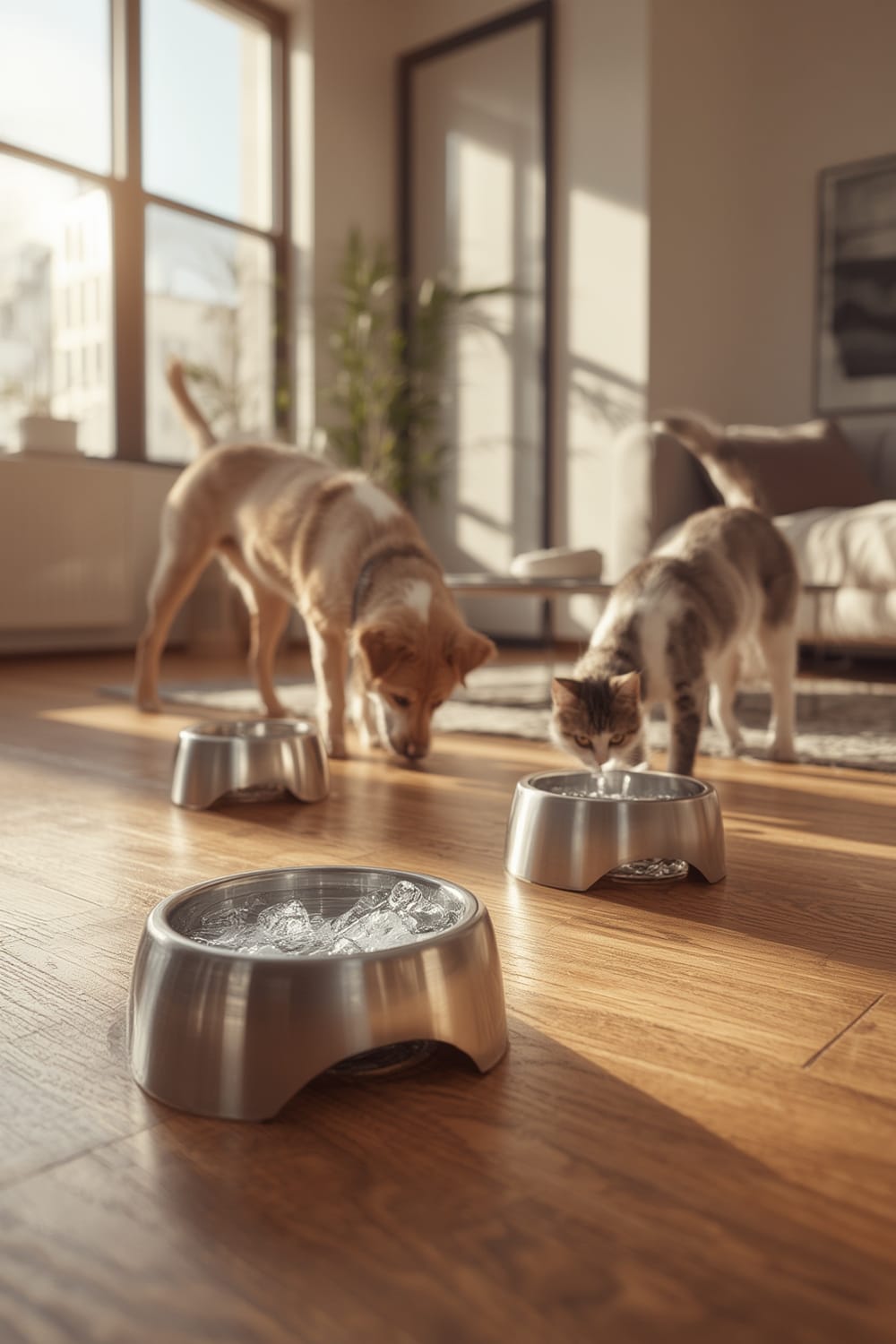
Dehydration in pets is more common than many owners realize. According to National Pet Hydration Awareness Month (source), many cats and dogs fall short of their daily water needs, especially in the summer months. While alternatives like smart bowls and pet fountains are popular, cooling bowls deliver a unique blend of simplicity and performance—offering fresher water without requiring power or complicated setups. For a broader understanding of how smart home tech enhances health and wellness, take a look at our reviews of air purifiers with PM2.5 monitoring and connected blood pressure monitors.
Pet dehydration can lead to lethargy, kidney issues, and even more severe health complications. While there isn’t much published data on device-specific dehydration prevention rates, veterinarians consistently recommend clean, cool water, especially for breeds at risk or senior pets. But not all devices are created equal—you must match the method to your pet’s needs and your household habits.
Step-by-Step Guide: How to Use a Cooling Bowl Effectively
Getting the most value from your cooling bowl requires a little planning and routine. Here’s how to optimize for real home use:
- Choose the Right Size and Material. Baseline: select a bowl sized for your pet’s breed and daily water consumption. Avoid oversized bowls for cats (they often find them intimidating). stainless steel is durable and easy to clean, while plastic options are lighter but may be prone to scratching.
- Pre-Chill Your Bowl. Most gel-based cooling bowls need to be placed in the freezer for a few hours before use. Insulated models may not require pre-chilling but benefit from it on heatwave days.
- Use Fresh, Filtered Water. Replace the water daily, regardless of how clean it looks. Stagnant water can harbor bacteria even if the bowl stays cold.
- Place the Bowl in a Shaded, Low-Traffic Area. Direct sun or high activity zones will reduce cooling efficiency and cause evaporation. Keep the bowl away from food dishes if your pet is sensitive to strong smells.
- Clean and Inspect Regularly. Even bowls marketed as “self-cooling” or “antimicrobial” can develop biofilm or mold. Wash at least every other day. Inspect for cracks or leaks, as broken gel cores can present safety hazards.
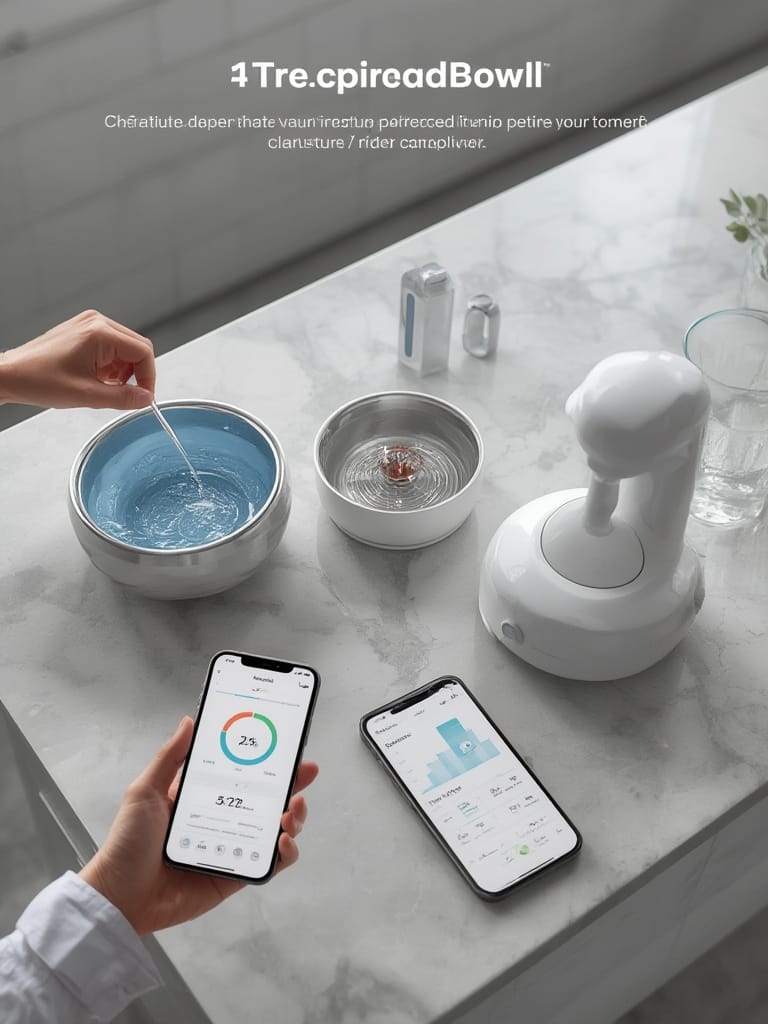
Bonus: To keep pet water clean and prevent contamination, pair your cooling bowl setup with a smart home leak sensor. Many modern home automation devices can now alert you if water spills or the bowl runs dangerously low. Explore how Matter compatible devices and agentic AI help automate your pet care tasks securely and seamlessly.
Advanced Analysis & Common Pitfalls
While cooling bowls offer important hydration advantages, they are not foolproof. Here’s a realistic analysis grounded in known research and user feedback:
- Effective Time Limits: Most gel-core or insulated cooling bowls provide 4–8 hours of chilling per cycle. After that, water returns to ambient temperature—meaning you might need to rotate or refreeze midday in hot climates.
- Not All Pets Will Use Them: Some pets dislike cold water or are anxious about unfamiliar bowls. For sensitive pets, transition slowly by mixing cool and room-temperature water at first.
- Risk of Over-chilling: If the bowl is overly cold, certain breeds or senior pets may avoid drinking or develop digestive discomfort. Always follow manufacturer guidelines.
- Additional Maintenance: Cooling bowls are heavier and occasionally leak due to cracked gel cores. Handle with care and inspect frequently.
- Price and Ongoing Costs: Cooling bowls range from $15–$60. They are often more expensive upfront than traditional bowls and may require replacement gel cores or inserts over time. However, their total lifetime maintenance costs are still lower than smart water fountains, which demand constant filter changes and regular deep cleaning.
Comparing the main pet hydration solutions:
| Device Type | Pros | Cons | Avg. Price | Maintenance |
|---|---|---|---|---|
| Traditional Bowl | Affordable, easy to clean, no power needed | Water heats up quickly and gets stale | $5 – $20 | Low |
| Cooling Bowl | Keeps water cooler for longer, no electricity | Needs refreezing; heavier to handle | $15 – $60 | Medium |
| Smart/Fountain Bowl | Filtered, running water encourages drinking | Needs power; filter cost; can be noisy | $30 – $100+ | High |
Veterinary guidance and user reviews offer limited but positive support for cooling bowls—most vets agree that any method increasing a pet’s water intake is worth considering (National Pet Hydration Awareness Month). For high-tech pet owners, pairing a cooling bowl with wifi-enabled leak sensors or remote monitoring devices for aquariums and water bowls brings even more peace of mind.
Conclusion
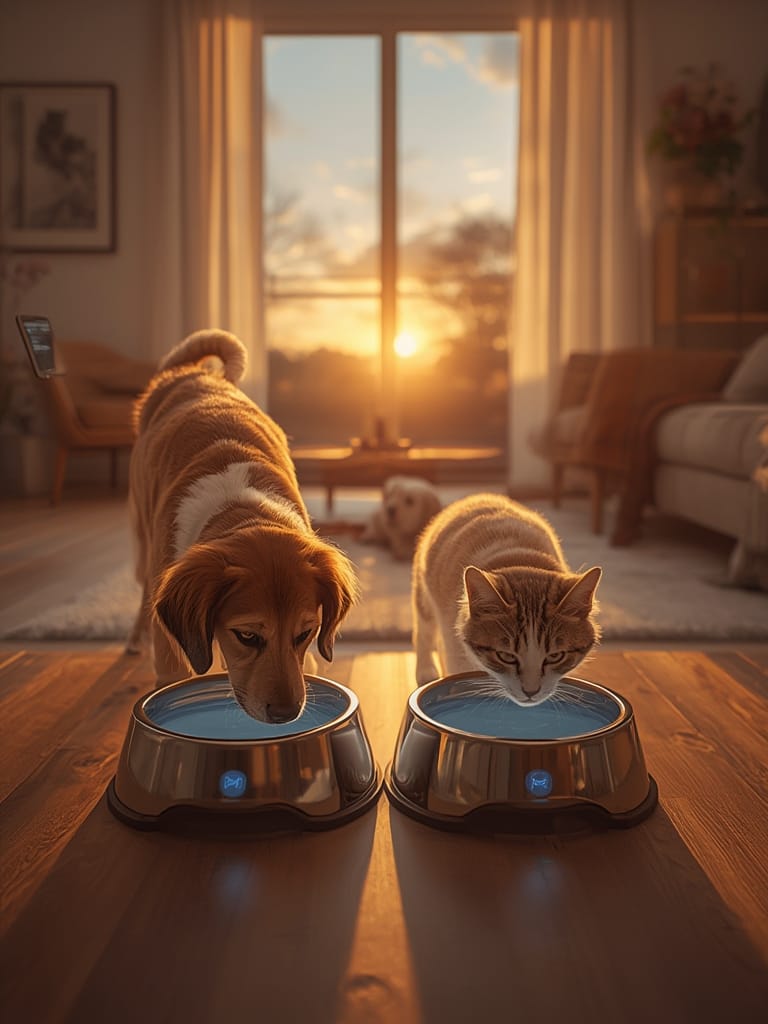
Cooling bowls offer a low-fuss, power-free, and highly effective way to support healthy hydration in dogs and cats. They are not perfect—extra cleaning, freezing, and higher initial costs are real considerations—but the improvement in water freshness and appeal can genuinely reduce the risk of dehydration, especially compared to standard bowls. If you’re serious about keeping your pets healthy, a cooling bowl is a practical upgrade. Try one in your home and monitor your pet’s drinking habits for real results. For other smart home solutions that make life simpler and healthier, explore our reviews of the AI oven and app-controlled air fryer. Invest in a Cooling Bowl today and give your pets the fresh hydration they deserve.
Frequently Asked Questions
How long does a cooling bowl keep water cold?
Most cooling bowls keep water significantly cooler for 4–8 hours depending on the brand, starting water temperature, and ambient room conditions.
Are cooling bowls safe for all pets?
Generally, yes. However, some pets may not like very cold water. If you notice hesitation or digestive upset, mix cool water with room temperature until your pet adjusts.
How do I clean a cooling bowl?
Wash with mild soap and warm water every day or two. Inspect for gel leakage or cracks. Avoid harsh chemicals and abrasive cleaning pads that can damage the surface or insulation.
Will a cooling bowl work outdoors?
Cooling bowls can be used outdoors, but their chilling effect will not last as long in direct sunlight or extreme heat. Place them in shaded areas for best results.
Is a cooling bowl better than a pet fountain?
It depends. Fountains filter and circulate water but need more cleaning and power. Cooling bowls are easier to maintain and are ideal where access to electricity is limited or you want a quieter solution.