

Golf Watch technology is changing how players approach the course, providing instant GPS insights, shot tracking, and slope-adjusted distances in a single wearable solution. Whether you’re aiming to knock strokes off your game or simply want a smarter caddie on your wrist, understanding the real strengths—and limits—of modern golf watches is essential before you buy.
Key Takeaways
- Golf watches streamline course navigation and shot planning, but the best features are found in premium models.
- Battery Life, feature complexity, and price are the most common downsides, so buyers should match their needs to the right watch.
- Shot tracking, slope adjustments, and course mapping drive real value, but not all models include these out of the box.
- What Is a Golf Watch and Why Use One?
- How to Choose & Use a Golf Watch: Step-by-Step
- Advanced Analysis & Common Pitfalls
- Conclusion
- Frequently Asked Questions
What Is a Golf Watch and Why Use One?
A golf watch is a wearable device that uses GPS to display important course data, track your shots, and offer advanced game-management features. On the fairway, a golf watch provides instant yardages to the front, middle, and back of the green—and many models can also factor in elevation and wind for a “PlaysLike for slope/wind” distance. Advanced watches add shot tracking, health metrics, scorekeeping, and more, often integrating with club-tracking sensors for even deeper analytics. For mid- to low-handicap golfers, these tools transform both strategy and performance.

While some basic stats show qualitative improvement in shot selection and on-course decisions, definitive 2024 numbers are still lacking. However, most experienced users report smarter play, quicker rounds, and less second-guessing once a good golf watch becomes part of their routine. With over 43,000 preloaded courses on recent Garmin models, you know your home course—and almost any other—will be covered. This convenience goes well beyond the digital scorecard function you might find on fitness trackers or smartwatches.
If you’re interested in how smart devices are simplifying more areas of life, check out resources on AI ovens with internal cameras and advanced Matter-compatible device control.
How to Choose & Use a Golf Watch: Step-by-Step
Upgrading your golf routine starts with choosing the right watch—then learning how to use it confidently. Here’s a streamlined process for first-time buyers or those upgrading to a premium golf watch:
- Define Needs vs. Wants: Decide if you need shot tracking, slope adjustments, and subscription features—or will basic GPS and yardages suffice?
- Compare Models: Garmin’s line-up, for example, ranges from the S12 (affordable, no slope) to the advanced S70 and Venu X1 with full health metrics, color AMOLED displays, and PlaysLike slope features.
- Check Compatibility: Want full shot analytics? Look for compatibility with club-tracking sensors (like Garmin’s CT10 system)—not all watches include them by default.
- Plan for Battery Life: Some watches go 10+ rounds, while others need charging after every 1-2 games. Match battery specs to your typical golf day.
- Set Up, Sync, and Customize: Download the app, pair your watch, and set up course favorites and stat-tracking options before your first round.
- Practice—Off the Course: Run through shot tracking, hazard check, and distance readings in your backyard—avoid getting stuck on hole 1 learning new menus.
- Use On-Course Features: Once on the course, trust the watch for plays like distances and stat logging—but check for quirks, like thick tree coverage or courses under renovation.
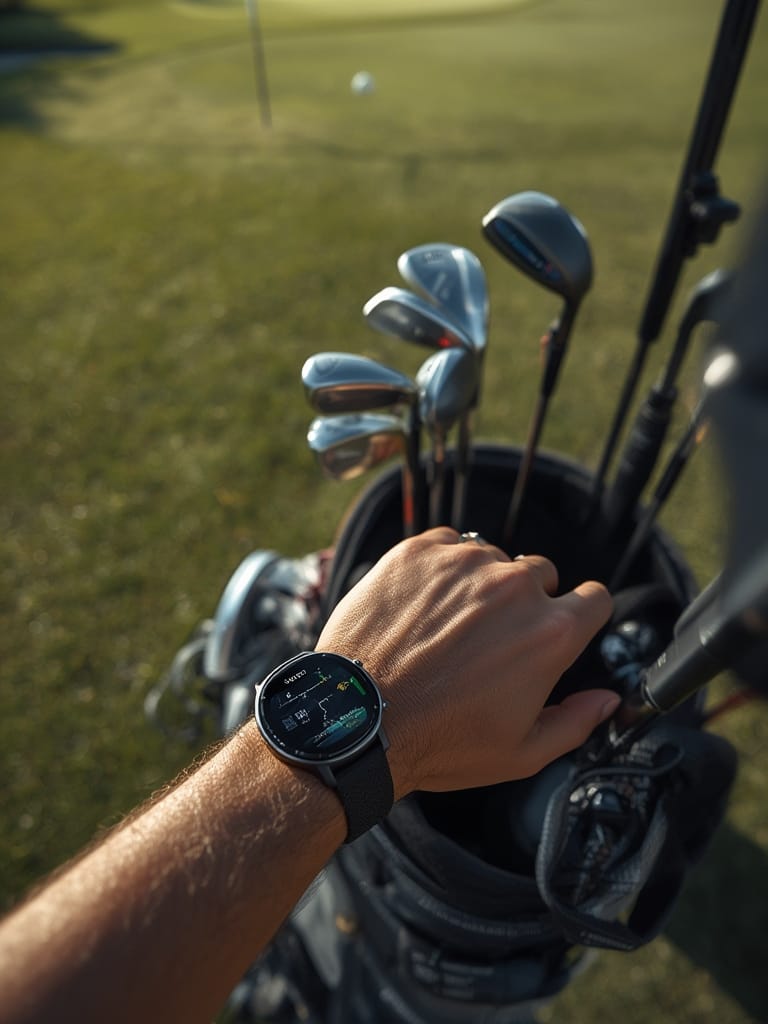
For those adopting other sports or smart wearables, the principles are similar to choosing a tracker for your blood pressure monitoring or selecting an app-controlled air fryer. It’s all about matching features to daily needs—don’t overbuy or pay for tools you’ll never use.
Advanced Analysis & Common Pitfalls
Even the best golf watch has tradeoffs. Below is a side-by-side look at recent Garmin models to help make sense of the real-world differences—and highlight where frustrations are most likely to arise.
| Model | Price | Key Features | GPS Functionalities | Slope-Measuring Capabilities |
|---|---|---|---|---|
| Garmin S12 | $199.99 | 43,000+ preloaded courses, basic yardages, scorekeeping, compatible with CT10 sensors, monochrome screen | Basic yardages and hazards | None |
| Garmin S44 | $299.99 | Improved maps, touchscreen AMOLED, notifications, scorekeeping | Enhanced mapping, hazard data (subscription upgrades optional) | None by default; upgradable with paid subscription |
| Garmin S50 | $399.99 | Fitness features, color AMOLED, advanced golf features with $9.99/mo or $99/yr subscription | Detailed course maps | PlaysLike and slope with optional subscription |
| Garmin S70 | $649.99–$699 | PlaysLike for slope/wind, green contours (membership), club-tracking, health analysis | Top-tier map and stat detail, health metrics | Native PlaysLike distances and slope out of box |
| Garmin Venu X1 | $799 | Elite mapping, green contours (membership), integrated sensors | S70/Fenix 8 platform features | Native slope and wind adjustment |
Common pitfalls and realistic issues:
- Battery Life: With high-brightness displays and constant GPS use, most color-screen models may require charging every 1–2 rounds. Only the most basic variants last over a week of frequent play.
- Course Mapping Gaps: While “43,000+ courses” sounds comprehensive, some public courses or new layouts may have outdated data. Always check that your usual courses are up-to-date on the brand’s app or site.
- Higher Prices for Best Features: Slope-adjusted distances, shot tracking, and detailed stat analytics push most models above $400. Entry-level units lack these, and adding them as subscriptions can increase costs long-term.
- User Interface Learning Curve: Menus and touchscreen gestures can be complex, especially in the sun or with wet hands. Less tech-savvy golfers might find setup and navigation frustrating.
- Data Privacy & App Permissions: While rarely discussed, most golf watch brands require extensive app permissions for syncing and updates; always review privacy settings and third-party data sharing agreements.
Shot tracking is only as reliable as the club sensors you pair—usually via Bluetooth or proprietary radio. Setup is simple, but not foolproof. Advanced features like wind adjustment and “PlaysLike” require either a premium watch (such as the S70) or a monthly subscription upgrade (source).
For broader trends in sensor-driven home tech, see what’s working in fish tank automation or the latest long-range driveway alarms.
Conclusion
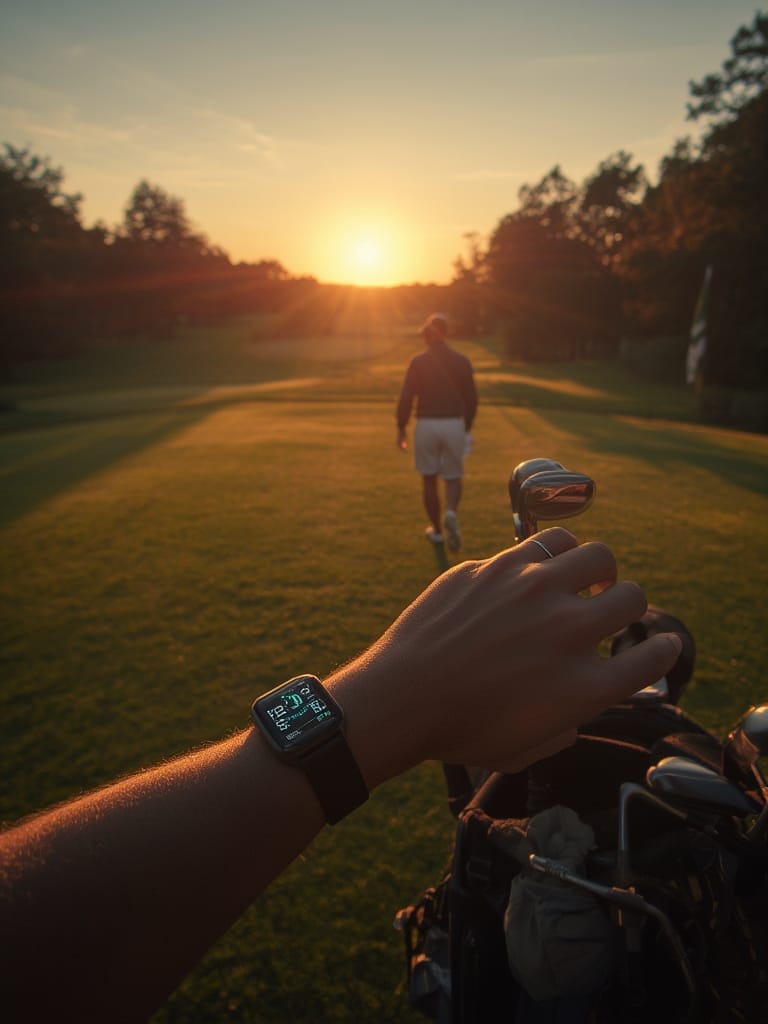
Golf watches transform how you approach each hole, offering reliable GPS data, smart shot tracking, and—at the high end—true caddie-level support right on your wrist. The right purchase balances up-front cost, long-term feature value, and personal preference. While not every model will dramatically lower your score, the golf watch has become an essential tool for any player serious about understanding—and enjoying—their game. Ready to play smarter? Compare models and start tracking every shot on your next round.
Frequently Asked Questions
Do golf watches really improve score?
Most users say they make smarter decisions with a golf watch, but there are no specific 2024 statistics that prove a direct drop in scores. The improvement comes from better distance tracking, course management, and reduced guesswork. Source
Are premium subscriptions worth it for slope and stat features?
If you play competitive golf or crave detailed analytics, subscriptions unlocking slope (“PlaysLike”) and shot stats on models like the S50 or S70 add real value. If you just need basics, skip the ongoing fees.
Will my local course be included in a golf watch?
Major brands cover over 43,000 courses, but some smaller or new layouts may not be mapped right away. Always check the course list online before buying your watch.
How is shot tracking data captured on a golf watch?
For advanced shot tracking, club sensors (like Garmin CT10) attach to each club. When you swing, a signal records club and shot data, syncing wirelessly to the watch. Third-party studies on detection accuracy are limited. Source
What are the top hidden drawbacks of buying a golf watch?
Most users mention short battery life, the learning curve for app and watch setup, cost of subscriptions for premium features, and occasional mapping issues on smaller or updated courses.