

Laser Toy is changing the way pet owners keep their cats and dogs entertained, offering interactive play with zero effort. But before you buy—or upgrade—there are crucial details to know about features, pitfalls, and maximizing the value of your investment.
Key Takeaways
- The smart pet toy market is rapidly expanding, but not all laser toys are equally safe or reliable.
- Choosing the right model requires understanding technology specs, app integration, and real-life usability.
- Customers must watch out for surprisingly common pitfalls that most competitor guides ignore.
- The Core Concept: What Is a Laser Toy (And Why Use One)?
- Step-by-Step Guide: How to Choose and Use a Laser Toy for Pets
- Advanced Analysis & Common Pitfalls
- Conclusion
- FAQ
The Core Concept: What Is a Laser Toy (And Why Use One)?
A modern laser toy is an electronic device that projects a red or green laser dot across your floor or wall, letting your pet chase the moving light for exercise and mental stimulation. There are simple manual pointers, but the real evolution lies in smart, app-controlled, or automatic laser toys designed especially for cats—and sometimes small dogs. Some models let you schedule sessions, set up movement patterns, and control everything remotely from your phone, making sure your pet stays active even when you’re not home.
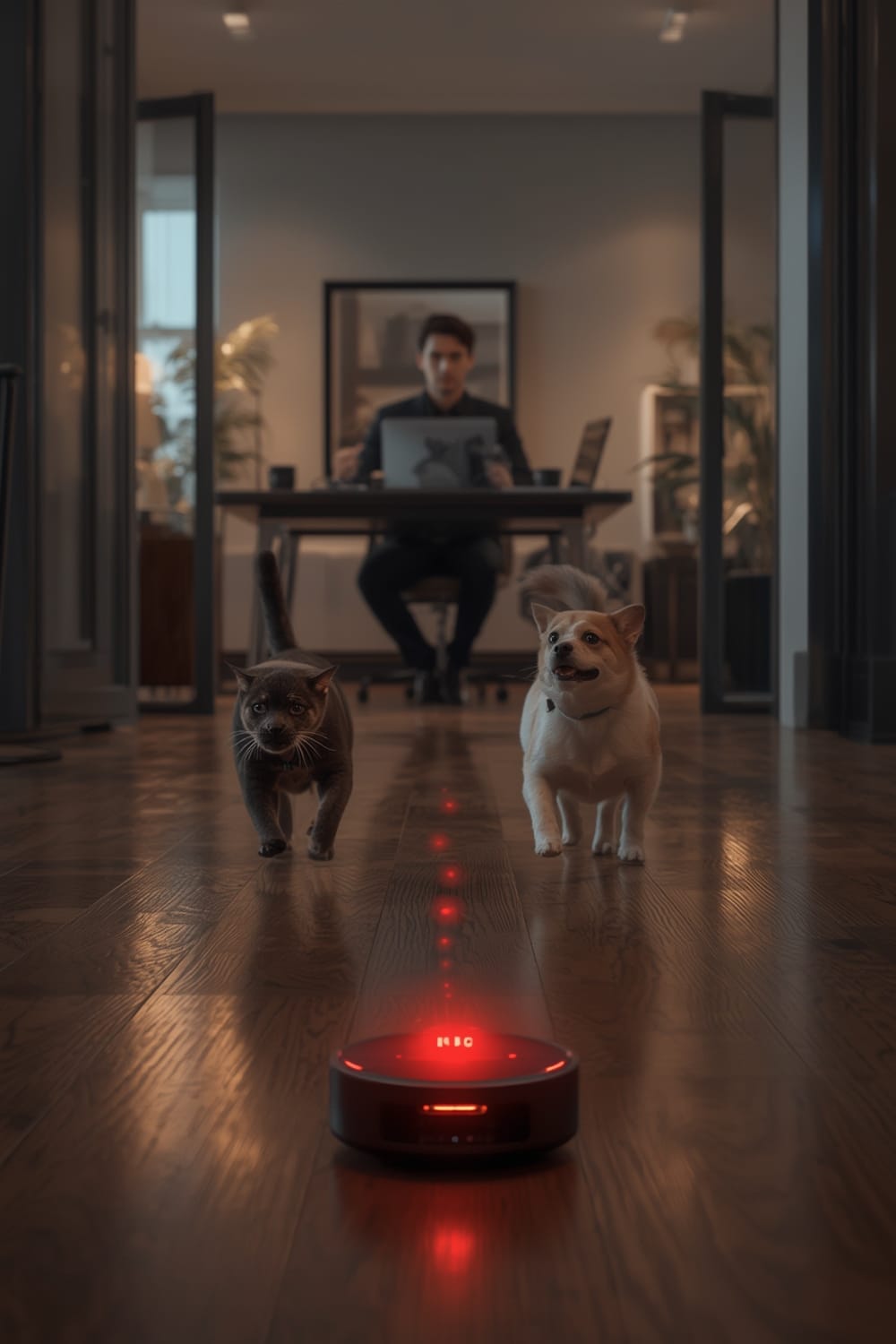
With an automatic laser toy, you can address pet boredom, destructive behaviors, and pet obesity in a hands-off way. As more people return to the office, these toys fill the interaction gap for indoor pets. The best designs focus on safety and variety, so animals don’t get frustrated or overworked. Smart laser toys are part of a broader wave of interactive home tech, alongside innovations like smart anxiety vests for dogs and pet air purifiers targeting pet owners.
The broader pet toy sector is booming: the global pet toys market is projected to nearly double by 2030, and smart interactive toys account for a fast-growing share. Smart interactive pet toys are forecasted for strong expansion, with motion sensors and other “smart” features now making up as much as 30 percent of premium toy sales. Source
Step-by-Step Guide: How to Choose and Use a Laser Toy for Pets
Selecting the right automatic or app-controlled versions isn’t hard—but details matter if you want it to actually work for your pet and your home. Here’s what to look for and how to make the most out of your purchase:
- Decide on Manual vs. Automatic vs. App-Controlled: Manual pointers are cheap but require you to be present. Automatic toys rotate or sweep the laser around random patterns for your pet to chase, while app-controlled versions allow you to start, stop, or customize play sessions remotely from your phone—even when not at home.
- Check Connectivity and App Features: For remote control, look for toys that support Wi-Fi (for out-of-home control) or Bluetooth (limited to nearby rooms). Some models have programmable routines, adjustable speeds, and treat-dispensing add-ons. Always verify app compatibility with your phone (iOS, Android) before buying.
- Assess Safety Features: Only consider products labeled “Class 1 or Class 2” laser (safe for pets and humans) and those with built-in automatic shut-off timers. Avoid toys with exposed moving parts or weak stability—they can tip over or become chew hazards.
- Power and Placement: Most laser toys are powered either by USB rechargeables or AA batteries. Place the toy in an open, uncluttered area on a level surface for best results. Some double as motion-activated toys if your pet approaches.
- Monitor Usage and Adjust: Begin with short, supervised sessions (5-10 minutes), and watch how your pet responds. Not all cats—and especially not all dogs—react positively to lasers. Pair laser sessions with other interactive toys, such as a grooming vacuum or an app-controlled pet fountain for complete enrichment.
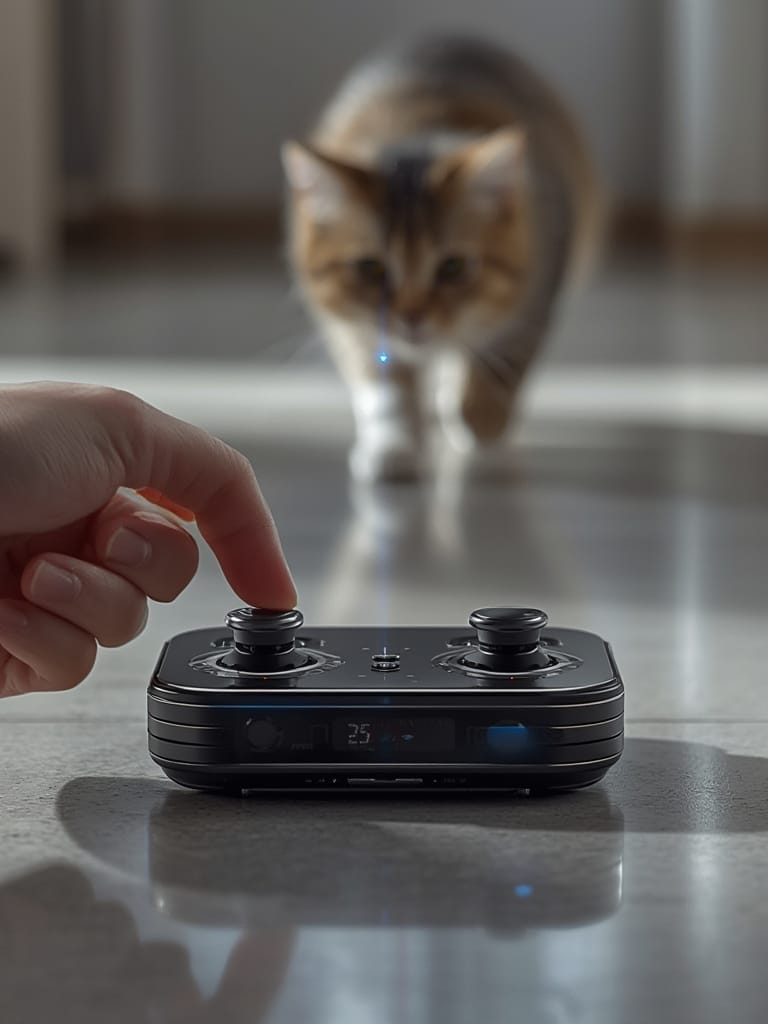
- Try Different Modes: Some toys offer multiple patterns, moving speeds, or schedules. Rotate toys or settings every week to keep things engaging and avoid “laser boredom.”
- Supervise New Sessions: For the first few days, supervise sessions to be sure the pet is not at risk or getting anxious. Use traditional treat toys or an auto litter box as parallel enrichment options.
- Maintenance: Dust off sensors and charge batteries regularly. Check for signs of wear or malfunction (like stalling motors or erratic movement).
Many owners overlook bonus value by not integrating other smart home features. For instance, use routines along with Matter compatible smart home devices for fully automated pet care.
Advanced Analysis & Common Pitfalls
Laser toys are popular, but few guides honestly address their limitations, user pain points, and safety hazards. Here’s what to realistically expect—and how to avoid common mistakes.
| Feature or Problem | How It Impacts Owners | Fix or Prevention |
|---|---|---|
| Poor Battery Life / Wired Only | Toys stop mid-session or require inconvenient frequent recharges. | Look for 4-6 hour minimum play time per charge; prefer USB-C rechargeable models. |
| Unstable Base / Easily Tipped | Pets can knock over or misalign the laser, creating frustration or hazard. | Choose heavier or anti-tip designs and smooth, wide bases. |
| App Bugs / Lost Connection | Remote controls may not work, especially if Wi-Fi drops. | Read recent app reviews before buying; avoid discontinued or rarely-updated brands. |
| No Safety Shutoff / Eye Risk | Laser can run too long or point upward, risking eye exposure. | Select toys certified as safe for pets—ideally with auto-off after 15 minutes. |
| Single-Mode Boredom | Pets quickly lose interest in predictable or repetitive patterns. | Get toys with randomization or multi-pattern programming. |
| Dog Unresponsiveness | Many dogs ignore lasers or become anxious if play is too fast or confusing. | Test for interest; consider alternative interactive toys if the dog loses interest quickly. |
It’s also worth noting that app-controlled toys often lag behind in software support compared to mainstream smart appliances like an air fryer with app control or an AI-enabled oven. Lack of firmware updates can make features frustrating over time.
Cost is another realistic factor. Market data points to higher prices as soon as Wi-Fi or Bluetooth is added, even for basic models. Yet specific 2024 price guidance remains unclear. Wise shoppers compare across brands and check technical details: laser safety certification, battery specs, and true remote range.

Conclusion
Laser toys offer a practical, entertaining way to boost your pet’s health and happiness—if you choose and use them wisely. As pet tech becomes more sophisticated, making an informed choice means weighing safety, connection reliability, and actual play value over marketing hype. Remember to monitor your pet’s response, use session timers, and always verify basic specs. If the laser toy you’re considering can’t pass these checks, keep searching for a smarter fit. Ready to find the right model, or have stories to share? Leave a comment or explore other advanced pet gadgets on our site.
FAQ
Are laser toys safe for all pets?
Laser toys are generally safe for cats and some dogs if labeled “Class 1” or “Class 2” laser and if you avoid shining the beam in their eyes. Always supervise initial sessions and limit playtime to 10-15 minutes.
Why does my dog ignore the laser toy?
Unlike most cats, dogs may be less motivated by moving lights. Try slower movement patterns or switch to other interactive toys if your dog loses interest or gets anxious.
Can I use a laser toy when I’m not home?
If your toy is Wi-Fi enabled and supports in-app scheduling or remote control, you can usually activate it while away. Always check the model’s connectivity range and app reliability before relying on remote sessions.
What’s the average price for a smart laser toy?
Prices vary widely. Basic automatic models start around $25-$40, while app-controlled or Wi-Fi connected versions can reach $75 or more, especially with extra features.
How can I keep my pet from getting bored with a laser toy?
Rotate between different play patterns, change the room occasionally, and use other toys—like an automatic treat dispenser or a pet fountain—to keep enrichment varied and engaging.