

Grooming vac systems are changing the way pet owners handle shedding and mess at home. If you want less fur flying, easier cleanup, and a calmer grooming routine, a grooming vac might be the biggest upgrade in your pet care kit this year.
Key Takeaways
- Grooming vacs boost hygiene and shedding control, but less than 5% of pet owners globally use them as of 2026.
- High upfront costs and maintenance are the most frequent ownership hurdles—not all breeds or pets tolerate these devices.
- Very little public data exists on model performance, noise, or long-term reliability—choose with care and realistic expectations.
- What Is a Grooming Vac (and Why Use One)?
- How to Use a Grooming Vac: Step-by-Step
- Advanced Analysis & Common Pitfalls
- Conclusion
- FAQ
What Is a Grooming Vac (and Why Use One)?
A grooming vac combines pet grooming tools (like brushes, clippers, and de-shedders) with a small vacuum designed to capture loose hair, dander, and debris directly as you groom. Unlike regular brushes or clippers, grooming vacs are purpose-built to minimize fur on floors, clothes, and furniture—an ongoing battle for dog and cat owners.
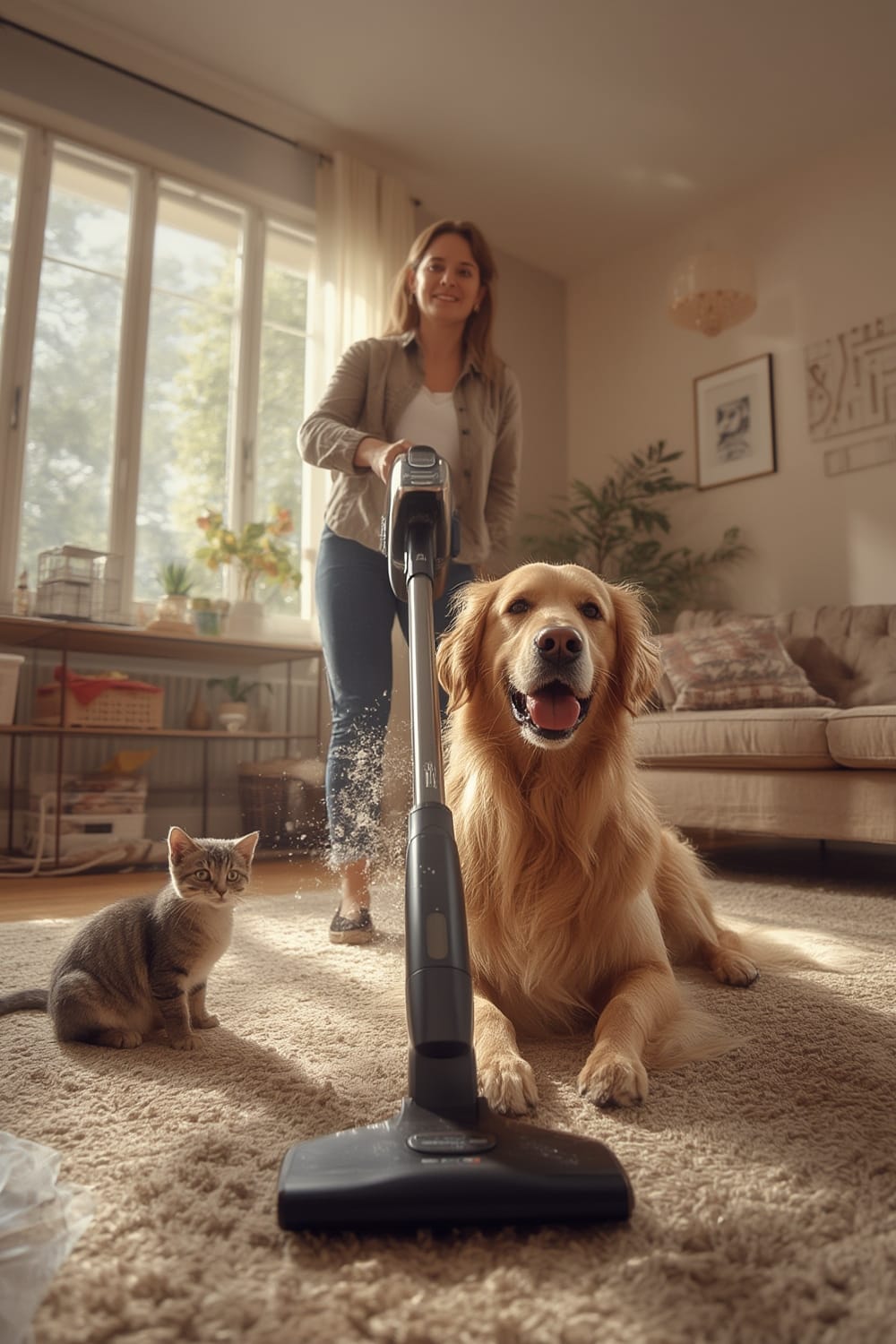
The global grooming vac market is rising fast—industry data shows values climbing from $1.8 billion in 2023 to nearly $3 billion by 2026, with annual unit sales expected to top 20 million worldwide. Still, with worldwide pet ownership above half a billion, fewer than 5% of owners use a grooming vac at home.source
Why the slow adoption? Main barriers include cost, extra maintenance, and concerns about effectiveness or pet anxiety. However, for shedding-prone breeds or anyone with allergies, grooming vacs reduce airborne fur and dust, delivering a neat, simple clean-up in one pass.
If you also run app-connected tools at home (like an air fryer with app control or a purifier for allergies and pets), you’ll appreciate how a modern grooming vac can slot right into a tech-enabled, low-maintenance routine.
How to Use a Grooming Vac: Step-by-Step
Most pet owners can use a grooming vac safely—but a few basic best practices maximize safety and comfort for pets and humans alike. Here’s how to get the most out of your grooming vac.
- Read Instructions Carefully: Always check your grooming vac’s manual for tool-specific instructions and troubleshooting.
- Choose the Right Attachment: Use brushes for dogs with double-coated breeds, de-shedding combs for heavy shedders, and clipper heads for trimming. Not every kit includes every tool—double-check before buying.
- Prepare Your Pet: Give your pet a good brush with a traditional tool first. This removes surface mats and reduces the risk of clogging or tugs.
- Test the Vacuum on Low Power First: Start with the lowest suction setting. Move slowly—avoid bony areas, ears, and sensitive undercarriage.
- Short Sessions: Five to ten minutes is ideal the first few times, especially for anxious pets. Stop if you notice stress or resistance.
- Empty the Bin Frequently: A full bin means weak suction and a risk of clogging. Clean the filter and brushes after every session for best results.
- Repeat Regularly: The more consistently you use a grooming vac, the faster your pet will get used to the process—and the less fur you’ll find elsewhere.
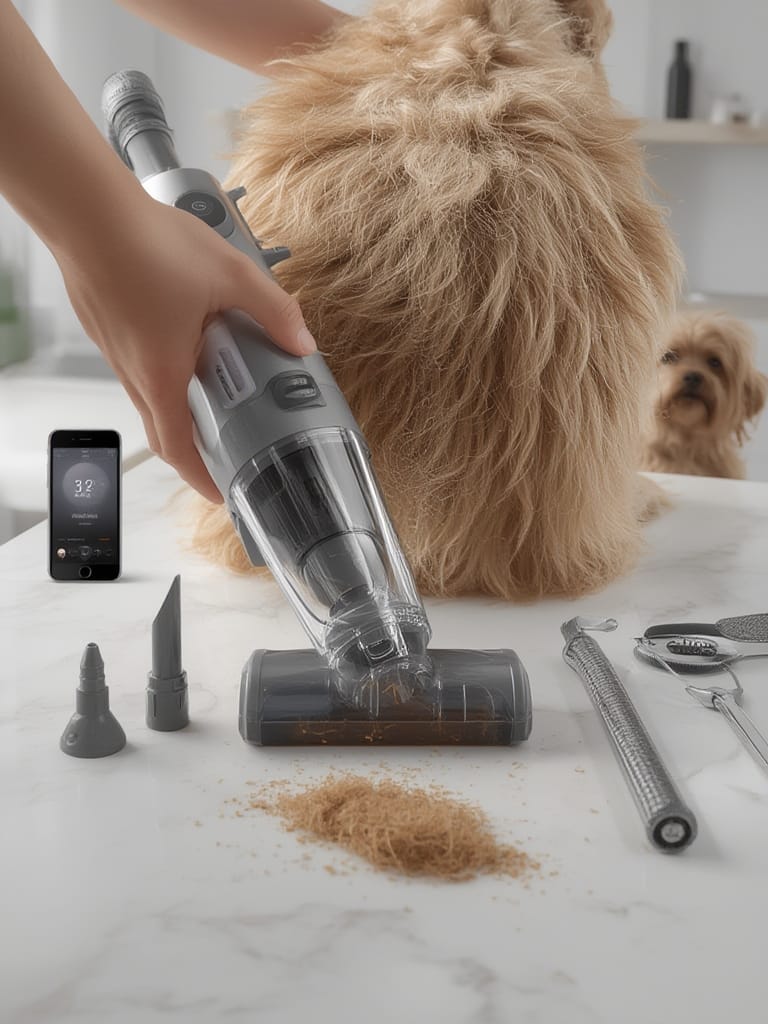
Some pet owners pair a grooming vac with a smart anxiety vest for dogs or even a pet fountain with app to create a calmer, tech-friendly grooming setup. These combinations can be especially helpful for nervous or high-strung animals.
Keep in mind that most vacuums for grooming cost between $80 and $200source—well above the price range for most brushes and manual clippers, but competitive for tech-enabled grooming solutions.
Advanced Analysis & Common Pitfalls
The grooming vac market is booming, but before you leap in, it’s critical to know where most users hit snags. Here are the top factors to consider:
| Problem | Reality Check | What You Can Do |
|---|---|---|
| High Upfront Cost | Entry price is $80-$200, more than brushes or manual clippers. | Look for sales, bundles, or certified refurb units. Compare runtime and warranty length. |
| Maintenance & Clogging | Full bins and uncleaned filters lead to weak suction or breakdown. | Empty after every session. Check for tangle-free brush models or tool-free filter access. |
| Pet Anxiety & Noise | Very little published decibel data. Some pets panic or resist initial use. | Start slow. Try a dog music speaker for calming background sound, or begin with the vacuum off. |
| Effectiveness for Heavy Shedders | Some vacs aren’t strong enough for double-coated breeds or high-volume fur. | Read reviews from pet owners with similar breeds when possible. Prioritize models with variable suction. |
| Parts & Long-Term Costs | Filter and brush replacement costs are underreported online. | Check the availability of replacement parts before buying. Plan for 1-2 filter sets per year. |
| Fit for All Breeds or Hair Types | No third-party data comparing models by breed or coat length. | Stick to brands that specify compatible breeds, or reach out to makers directly for guidance. |
| Certifications & Tech | HEPA filters and smart features are trending, but no clear certs or patents dominate the market.source | Prioritize units with proven HEPA, easy filter access, and limited moving parts for reliability. |
Unlike smart home categories like Matter compatible devices or predictive home automation, grooming vacuums still lack strong third-party reviews, specifications, or transparent maintenance cost data.
Most current articles focus primarily on market size and trends, skipping over persistent real-world pain points—especially impact on pet mood/anxiety, the actual out-of-pocket cost over time, and safety data for unusual breeds.
Consider connecting with a local pet groomer for a live equipment test before buying—or trial models with generous return windows if your pet’s temperament or coat type is uncertain.
Conclusion
The grooming vac is a smart upgrade for the right household. If you want faster clean-up, less shedding on surfaces, and the simplicity of combining grooming with vacuuming, there’s real value here. But ownership comes with a learning curve—upfront cost, regular filter maintenance, and possible pet anxiety are common. There is little standardized data, so your best guide is owner reviews, breed-specific feedback, and trying before you commit. Research, ask questions, and take advantage of trial policies to see if a grooming vac is the solution for your furry companion and your home.
Ready to try a grooming vac? Compare features and read recent reviews—then set up your cleanest, calmest grooming routine yet.
FAQ
Are grooming vacuums safe for all pets and breeds?
Most are designed for common dog and cat breeds, but always verify the compatibility of attachments for small, sensitive, or double-coated animals. If you’re unsure, consult your vet or try in short sessions first.
How loud are grooming vacs in use?
Noise output varies by model, but there’s little public decibel data available. Most are quieter than shop vacs but louder than basic grooming tools. Sensitive pets may need extra acclimation time.
What’s the expected maintenance for a grooming vac?
You’ll need to empty the bin after every use, clean filters and brushes weekly or monthly (depending on usage), and replace certain parts annually. Check if parts are easily available before purchase.
How do grooming vacuums compare to traditional tools?
Grooming vacs collect fur directly into a bin, reducing mess but adding noise and maintenance. They cost more upfront than brushes or scissors, but may save time for high-shedding pets or allergy-prone owners.
Can a grooming vac help with allergies?
Yes, by capturing fur and dander before it becomes airborne, a grooming vac can reduce allergens at home—especially if paired with an air purifier or regular cleaning routine.