

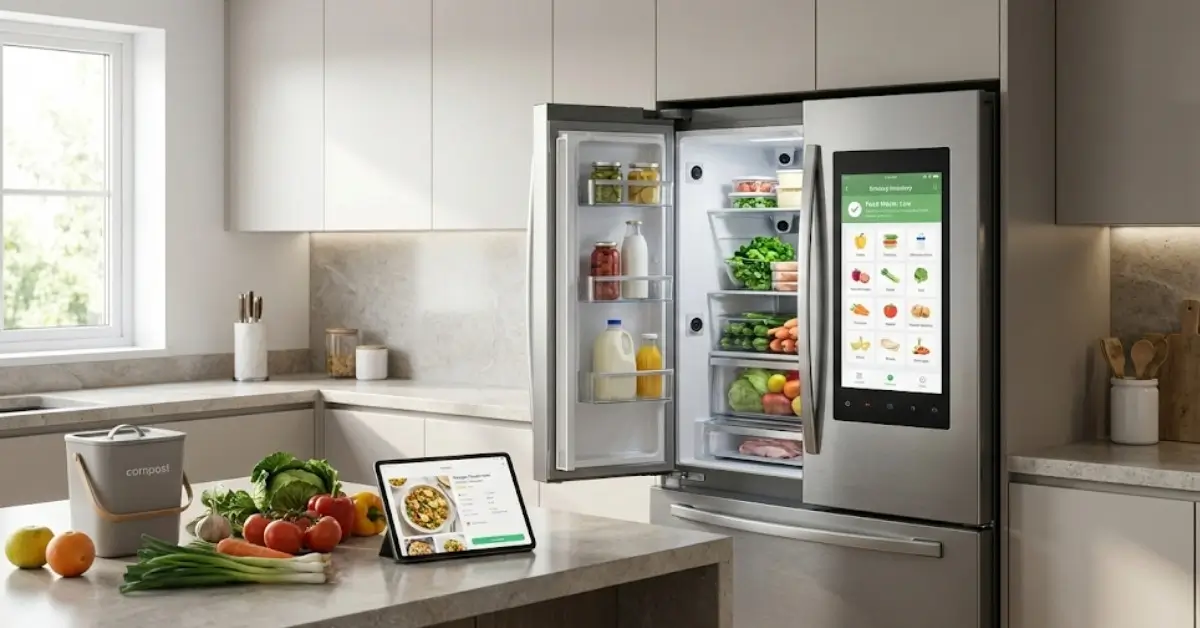
Smart Fridge technology is reshaping how households track, store, and consume food—offering features like internal cameras, inventory tracking, and AI-powered suggestions that claim to reduce waste and simplify daily routines.
Key Takeaways
- Smart fridges are growing fast, led by adoption in North America, but concrete data on food waste reduction is still lacking.
- Most models use AI-based inventory tracking, yet accuracy and reliability vary and are rarely quantified.
- Critical features like recipe integration, freshness analytics, and cross-brand app compatibility are still underdeveloped in the market.
The Core Concept
A smart fridge is a WiFi-enabled refrigerator equipped with technologies like touchscreen controls, internal cameras, and inventory tracking—aimed at making kitchen management more efficient and potentially reducing food waste. These appliances leverage artificial intelligence and Internet of Things (IoT) connectivity to help users monitor what’s on hand, automate grocery lists, and receive expiry alerts. The global smart fridge market size in 2024 is estimated between $3.6 and $4.8 billion, led by North America with around 40% share, and projected for robust growth due to rising smart home adoption and interest in food management solutions (source).
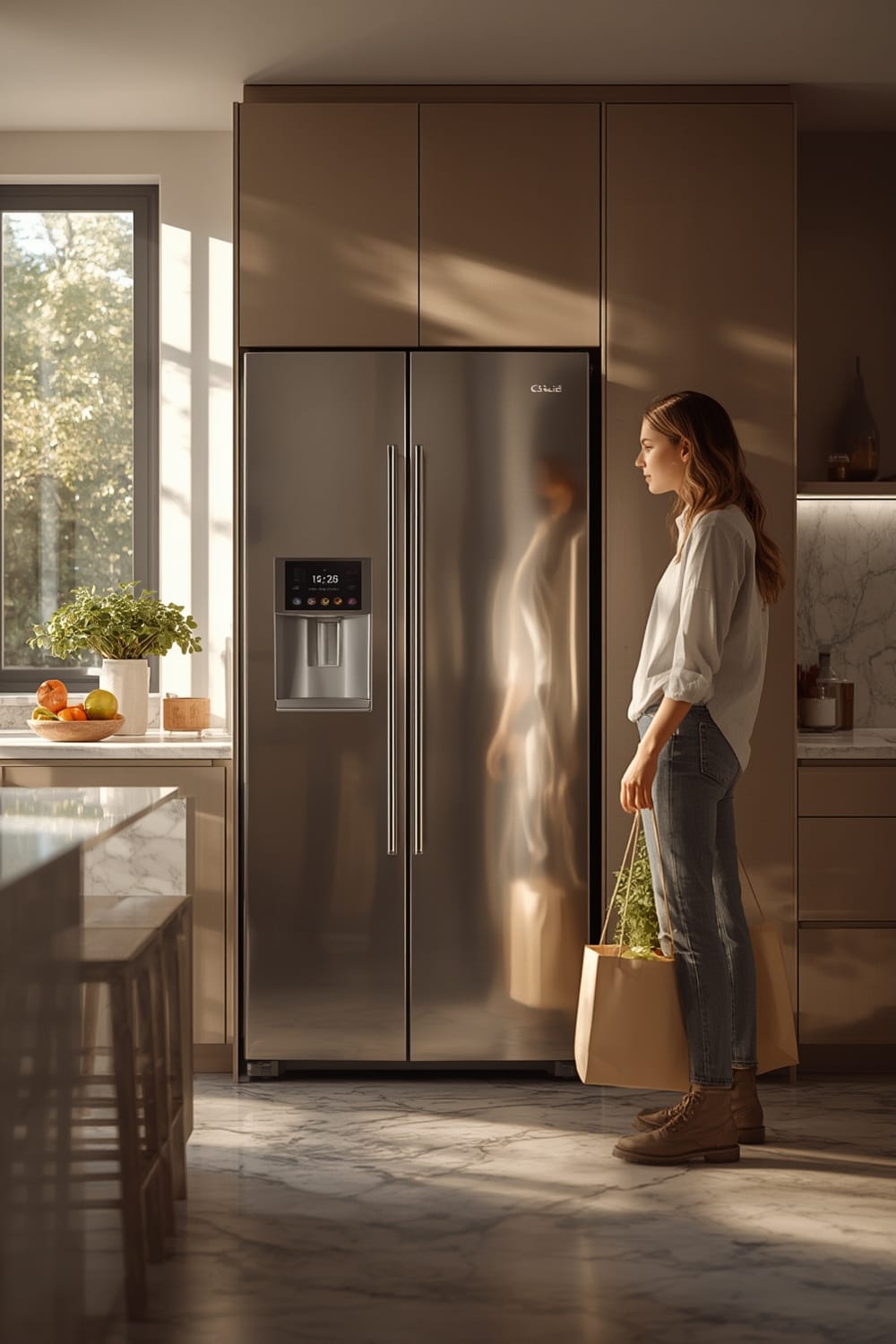
Beyond inventory tracking, some smart fridges claim integration with recipe apps, freshness analytics, and smart notifications—yet most still fall short in cross-brand app compatibility and depth of food management insights. While brands like Samsung, Whirlpool, and Haier are market leaders, truly quantifying the impact on daily food waste and cost savings remains an aspiration rather than a guarantee. For those seeking the highest device interoperability, considering Matter compatible devices may future-proof your kitchen ecosystem.
Step-by-Step Guide
Ready to make the most out of your smart fridge? Here’s your actionable process—from setup to maximizing its value.
- Connect to WiFi and Download the App: Use your home’s 2.4GHz WiFi (always check compatibility) and install the manufacturer’s app—Samsung’s SmartThings, LG ThinQ, or equivalent. For better privacy, explore models featuring a mechanical privacy shutter for camera control.
- Sync Your User Profile: Link your grocery account, calendar, and, if available, third-party recipe apps. This enables features like expiry notifications and meal planning. Cross-app functionalities are still sparse, but look for updates as standards like Matter evolve.
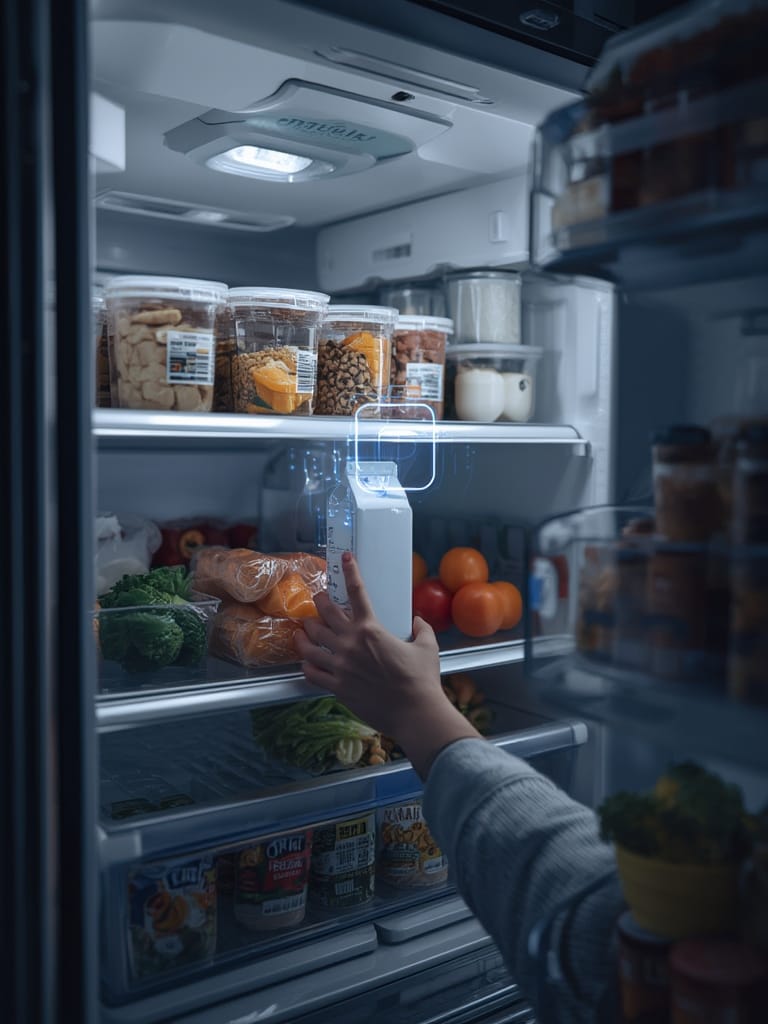
- Set Up Inventory Tracking: Input groceries manually or use the camera’s barcode/image scanning feature. Place items so barcodes or labels face the camera. Current AI misses oddly shaped or unlabelled items—expect a learning curve.
- Customize Alerts & Shopping Lists: Enable push notifications for low-stock items or expiring food. Some apps sync with online retailers for restocking. Also, set reminders for regular cleanouts to prevent old items from being overlooked.
- Leverage Recipe Integration: Some fridges suggest recipes based on what’s stored. Data integration isn’t universal—if native options disappoint, try third-party tools or connect with smart kitchen hubs noted for better agentic AI recipe matching.
- Review Usage Analytics: Periodic checks of fridge usage patterns, inventory turnover, and notifications help spot optimization areas. This is especially useful if you want to reduce food waste or save on groceries, though most systems lack full waste analytics.
Augmenting your smart kitchen with accessories—like a smart faucet with motion sensor for hands-free hygienic use, or a smart dishwasher with quiet mode—elevates automation further. For eco-minded users, pairing your fridge with a smart compost appliance helps close the sustainability loop.
Advanced Analysis & Common Pitfalls
While smart fridges promise streamlined routines, several limitations and pitfalls have emerged:
- Accuracy Gaps: AI-powered inventory tracking is far from perfect. Unusual packaging, user error in manual entry, and camera blind spots often undermine reliability (source).
- Connectivity Hiccups: WiFi drops can disable alerts and remote monitoring. Always verify your network coverage where the fridge sits.
- Privacy Concerns: Continuous internal cameras can raise privacy and data ownership issues—especially in shared living spaces.
- App Ecosystem Fragmentation: Lack of cross-brand interoperability and subpar third-party integrations limit recipe suggestions and waste monitoring. True quiet automation is still rare in kitchen tech.
- Cost Factors: Few models openly advertise their inventory features’ ongoing costs. Subscription fees for premium apps may apply but data is inconsistent (source).
| Brand | Inventory Tracking | Camera Quality | Recipe Integration | App Ecosystem |
|---|---|---|---|---|
| Samsung | AI + Manual Entry | HD Internal | Native/Basic | SmartThings (Moderate) |
| Whirlpool | QR/Manual, Limited AI | Average | Limited | Brand-Restricted |
| Haier | Basic Counting | Low Resolution | None/Limited | Minimal |
*Comparison is generalized. Actual features may vary by sub-model and region. Not all brands publish full details or toolkits.
Feature coverage still lags—there are no published statistics on quantifiable food waste reduction among users (source). Market adoption is driven more by convenience and aspirational tech than proven ROI in savings or sustainability.

Conclusion
Smart fridges are accelerating the evolution of connected kitchens—giving you a taste of automated inventory, remote monitoring, and basic recipe suggestions. But set expectations: current models, while promising, can fall short in accuracy, universal app integration, and measurable food waste cuts. Still, for tech-savvy households already running a connected home—especially with devices like multiband GPS running watches or WiFi-enabled pool monitors—investing in a smart fridge can round out your system. Weigh the convenience gains against limitations—and revisit as feature sets mature. Take the next step by researching models that fit your lifestyle and revisit this guide for updates as the Smart Fridge market rapidly evolves.
Looking for more automation tips? Browse our guides, compare RTK robot lawn mowers, or explore other retrofit smart home upgrades on Simple Home Reviews.
FAQ Section
Do smart fridges really help reduce food waste?
Most smart fridges offer expiry tracking and inventory alerts, which can indirectly help reduce forgotten or spoiled food. However, as of 2024, no major studies quantify average household waste reduction from using these features.
What ongoing costs should I expect with a smart fridge?
Some manufacturers may charge for premium app features or cloud analytics, but there’s no clear industry standard. Always check your chosen brand’s terms. Hardware repairs and upgrades (like internal camera replacements) may add to long-term costs.
Is my smart fridge data secure?
Major brands encrypt user data, but always review privacy controls and consider models with physical privacy shutters. Shared homes or rental units should set strong app passwords and disable unnecessary third-party access.
How do I improve inventory tracking accuracy?
Arrange items with Arrange items barcodes or labels facing the internal camera. Manually tag unusual foods or leftovers. Consistent habit-building—such as immediate logging of new items—greatly improves tracking performance.
Which smart fridge brand integrates best with other smart home devices?
Currently, Samsung’s SmartThings leads in ecosystem compatibility—though support for true cross-brand features (like universal waste analytics or agentic AI) is limited. Progress in standards like Matter will likely improve this in coming years.