

Smart Compost technology is rapidly changing how households manage kitchen waste, promising speedy results, less mess, and real environmental impact.
Key Takeaways
- Electric smart composters like Lomi and GEME reduce food waste mass by 54% to 95%, but differ in speed, output, and costs.
- Bottlenecks include recurring carbon filters replacement costs, noise, bulky size, and “compost” quality that may not suit gardeners.
- Continuous, microbe-driven models are emerging for odorless, hands-off, and true compost production.
- What Is Smart Compost and Why Should You Care?
- Step-by-Step: How to Use and Optimize an Indoor Smart Composter
- Advanced Analysis & Common Pitfalls of Electric Kitchen Composters
- Conclusion & Next Steps
- Frequently Asked Questions
What Is Smart Compost and Why Should You Care?
Smart compost refers to countertop electric composters that quickly turn food scraps into a dehydrated or compost-like material using heat, grinding, oxygen, and sometimes live microbes. Unlike traditional bins, smart units like Lomi, Mill, and GEME Terra II aim for faster results (often same day), less odor, and simpler operation directly in your kitchen.
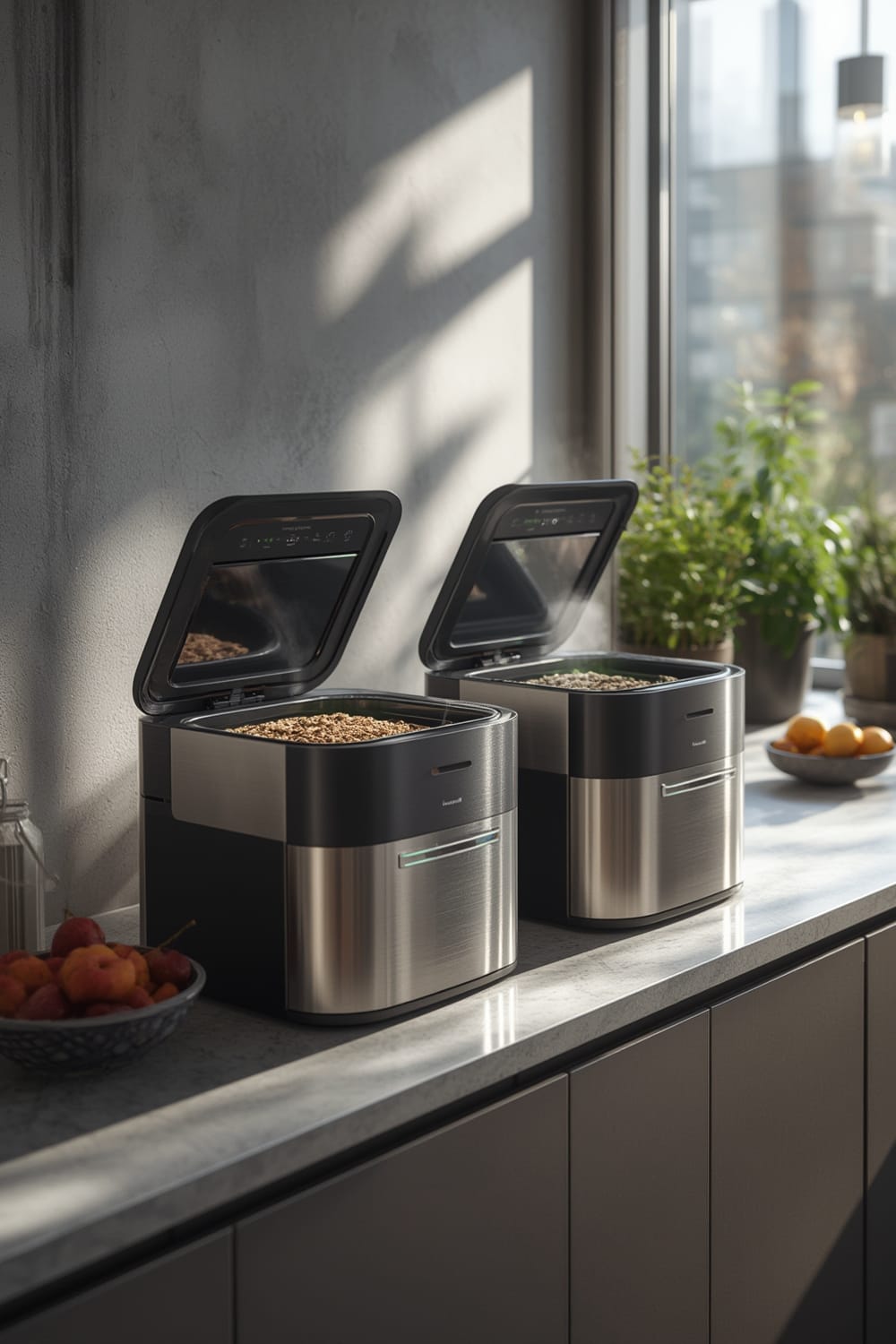
Why upgrade? These systems solve the classic pain points of home composting—slow breakdown, fruit flies, bad smells, strict rules about what you can add, and significant space needs. The latest advances have also made clean operation possible even in apartments or cold climates, with smart controls and much quicker turnaround. Not all products are equal, though; understanding their differences is critical before investing.
If you’re integrating your kitchen with other smart tech (like a Matter compatible device or voice assistant), it’s worth noting that some models are even starting to offer connected features, though automation is still limited compared to devices like a predictive home automation AI or quiet automation sensor.
Step-by-Step: How to Use and Optimize an Indoor Smart Composter
Successful smart composting isn’t just plug-and-play, especially if you want the best results with less fuss. Here’s how to set up, run, and maintain your unit, whether you buy a Lomi, GEME Terra II, or something similar.
- Find the Right Spot:
Place your composter on a stable, ventilated countertop near a power outlet. Keep it away from direct sunlight and heat sources; this will help the filter last longer and prevent unnecessary noise vibration on thin surfaces.
- Prepare Your Waste:
Chop bulky items smaller. Avoid bones, pits, dense stalks, and (unless using a GEME or similar) liquids and meat. Lomi and Mill are strictly for plant-based and some processed bioplastics; overloading or improper items can jam the machine and void warranty.
- Load and Select Mode:
Lomi has three key modes: Eco Express (fastest, 3-5 hours), Lomi Approved (for certain bioplastics), and Grow (most nutrient-rich, longest). GEME runs continuously and can be topped up at any time. Pick the right cycle for your needs and hit start.
- Monitor and Empty Output:
Finished product from Lomi or Mill will be dry “crumbs” or “dust,” not living compost. GEME yields moister, microbe-rich soil. Use output as a garden soil amendment (not direct mulch), or—especially if you’re using a Mill—let it cure outside for extra weeks before applying to edibles.
- Maintain Filters and Clean-Up:
For Lomi, swap carbon filters every three months or sooner if you notice odor escape. GEME’s metal-ion filter is permanent. Wipe units out with a soft cloth—don’t use harsh cleaners inside. Regular maintenance matters for both performance and warranty claims.
- Track Your Savings:
Use an energy monitor or smart plug to track actual kWh use for budget planning. This can help you compare long-term costs versus other kitchen appliances.
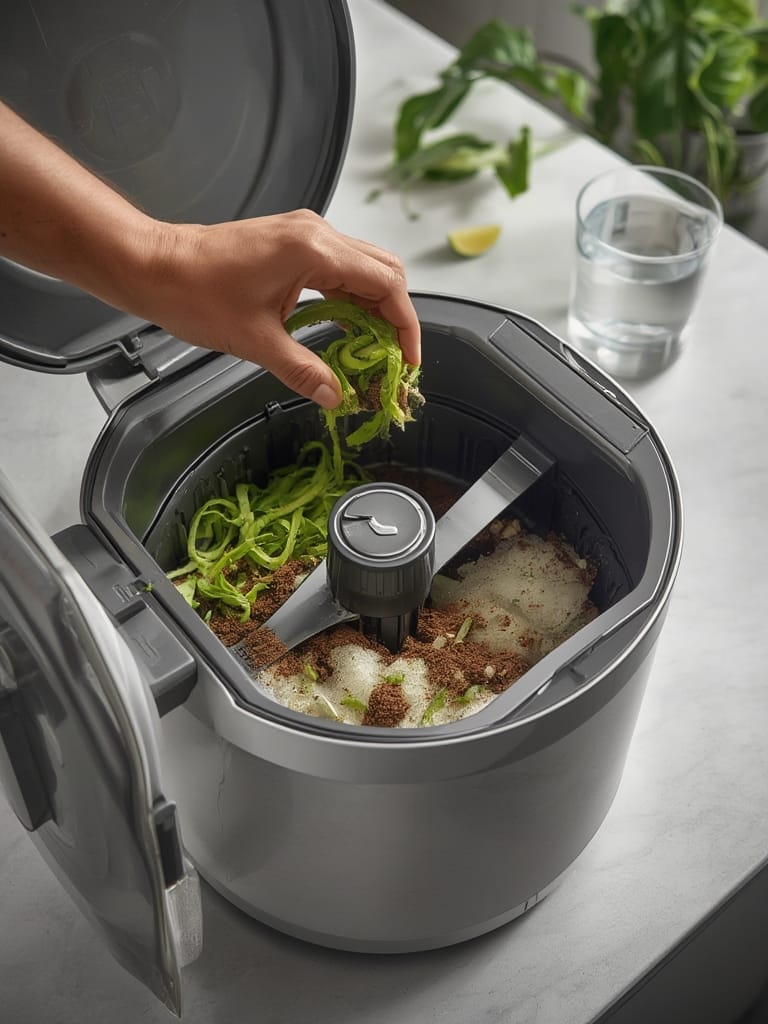
To get the best results, always stay within the recommended fill line; overstuffing can leave wet, uneven “compost,” and in the case of Lomi or Mill, may trigger cycle errors or longer cooling times.
Finally, consider future-proofing your setup: as more smart kitchen tech evolves, it’s likely smart composters will integrate directly with automated curtain tracks or even WiFi pool monitors in truly connected homes.
Advanced Analysis & Common Pitfalls of Electric Kitchen Composters
Smart composters deliver on speed, but it’s critical to compare not just headline metrics, but real-world outcomes such as cost, usability, and compost quality. Frequent complaints—drawn from hundreds of user reviews and independent testing—help clarify which device works best for different homes.
Efficiency Metrics: Lomi, Mill, and GEME Compared
| Model | Time to Compost | Volume/Mass Reduction | Energy Use per Cycle | Noise | Maintenance |
|---|---|---|---|---|---|
| Lomi | 3-20 hours (mode dependent) | 54%-76% | 0.6-1.0 kWh (avg 0.962 kWh) | 35-60+ dB (Varies) | Carbon filter every 3 months |
| GEME Terra II | 6-8 hours (continuous) | Up to 95% | 117Wh | 35-40 dB | Permanent filter, no refills |
| Mill | Not disclosed | Not disclosed | Not disclosed (~comparable to Lomi?) | Noisy, not specified | Likely filter changes, unclear details |
Lomi excels at quick, batch composting but delivers a dry, sterile output that’s not true living compost. It requires regular filter refills, generates noticeable noise, and costs more long-term (source). GEME processes more material, needs less frequent maintenance, and produces “real” compost, but costs more upfront. Mill’s public data is lacking; most comparisons reference only Lomi and GEME for hard stats, so be cautious of marketing claims (science).
Common User Complaints and Hidden Downsides
- Noise: Some units, especially Lomi, can exceed 50 dB and become disruptive in small kitchens or open plans (study).
- Batches, Not Continuous: With Lomi and Mill, you’ll need to wait for a cycle to finish before adding more; this frustrates busy families.
- Ongoing Costs: Filter changes every three months (Lomi) add up, especially over three or more years. Energy costs are modest, but should be tracked.
- “Compost” Quality: Output from Lomi and Mill is often a dry, dusty, sterile crumble. Some users complain it doesn’t enrich soil as expected for gardens. On the other hand, GEME claims a microbe-rich amendment better for direct planting.
- Space and Design: Units are bulky—check footprint before buying. Lomi especially is cited as taking up significant counter space.
- Non-Accepted Waste: Lomi and Mill don’t handle liquids, meats, or bones. This limits realistic diversion rates and can disappoint buyers expecting “full kitchen” use.
- Limited Mill Data: The lack of third-party stats on Mill’s speed, energy, or compost quality makes it tougher to justify versus other options (discussion).
Cost Analysis: 1-Year vs. 3-Year Ownership
Filter costs are the silent budget killer for Lomi and likely for Mill. GEME’s permanent solution edges out over time. Energy use is about the same as running a dishwasher cycle weekly for Lomi, and less for GEME. Always budget for extras (pods, filters) across the expected device lifetime. Typically, Lomi owners will buy at least four filter sets per year and twelve over three years.
Full maintenance, out-of-warranty repairs, and reliability over 3+ years remain unknowns, since most products on the market are new. Consider this if you value appliances that last.
For more on general maintenance and long-term cost pitfalls in comparable smart devices, see our reviews of auto litter box odor control and presence sensor reliability.
Odor Control Claims: What’s Proven?
Manufacturers trumpet “odorless operation” due to sealed doors and high-grade filters. Independent reviews mostly back up the claim for daily use, though some faint burned or sour smells persist, especially with overused filters or improper loading. There’s currently no published VOC or air-quality comparison testing. Most evidence comes from continuous user feedback and noise/heat measurements.
Recent Innovations and Market Trends
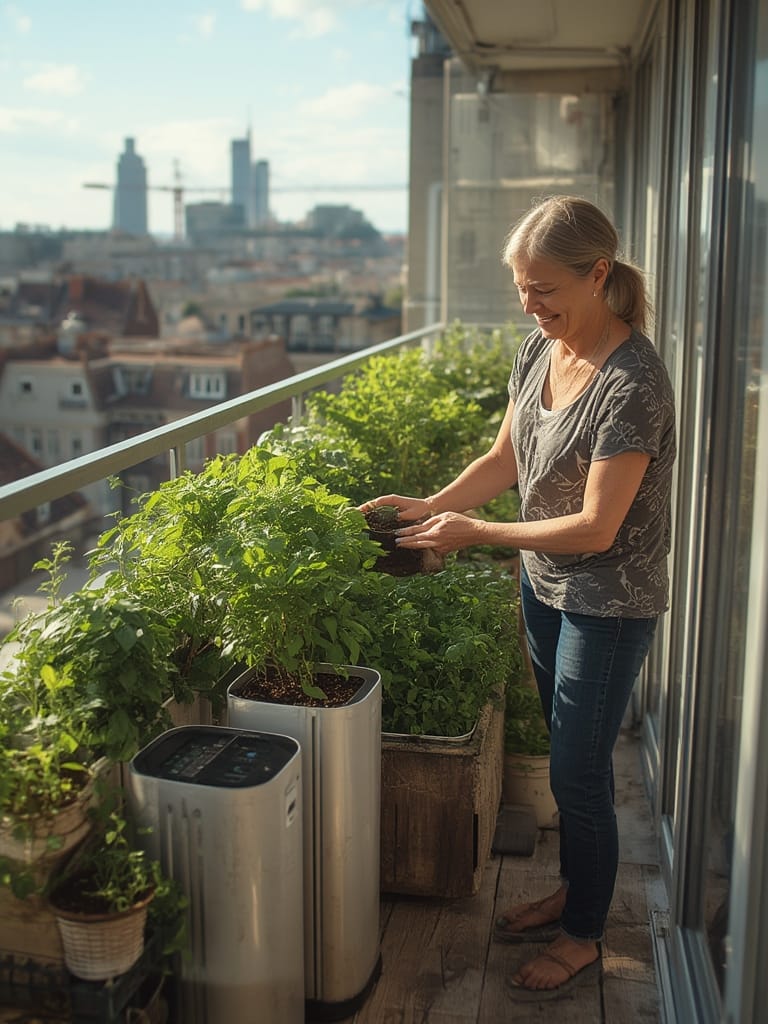
The latest generation—exemplified by GEME Terra II—finally accepts “trouble items” like meat, dairy, and liquids, thanks to true microbial digestion and robust filter technology (source). These devices push overall waste reduction above 90%, better for serious home gardeners and those aiming for near-zero landfill output. Lomi has highlighted newer soil-use studies showing up to 70% reductions in home carbon footprint when output is used as a soil amendment (research).
Regulation hasn’t yet caught up, but expect standards for compost output quality, filter life claims, and integration with municipal organic diversion programs to grow in coming years.
Conclusion & Next Steps
Smart compost is an effective way for urban dwellers and busy households to quickly divert kitchen waste, but not all electric composters deliver the same value. Lomi remains the batch-processing, filter-heavy option—fast for small volumes, but with higher ongoing costs and a “crumbs” output less useful for real gardening. GEME Terra II dominates for continuous, odorless operation and true compost at lower lifetime cost. Reliable Mill data remains noticeably absent.
Before buying, weigh your priorities: speed vs. soil quality, noise tolerance vs. convenience, and total cost. If you’re already optimizing home technology, consider integrating your composter with a wifi blood pressure monitor or exploring automation through smart scene controllers.
Upgrade your waste-handling routine today with Smart Compost—and make a real, measurable impact on your household’s sustainability. Ready to start? Research which model fits your lifestyle, check filter costs, and take the first step toward cleaner, greener living.
Frequently Asked Questions
Will smart composters pay for themselves over time?
Direct payback is rare from reduced trash bills alone, but households producing lots of food scraps and regularly buying commercial soil amendments can see savings, especially with low-maintenance, permanent-filter models like GEME Terra II.
Can I add meat, bones, or dairy scraps to these units?
With Lomi and Mill, the answer is no—doing so may break the machine or void warranty. GEME Terra II and future microbial designs allow a wider waste range, but check your model’s guide for specifics.
Is the output safe for vegetable gardens?
Lomi and Mill create sterile, dry crumbs best mixed into soil for non-edible plants or compost piles. For direct use in edible gardens, let the output cure or consider a microbe-based composter. Always follow manufacturer and local extension office guidelines.
How much noise should I expect from an electric composter?
Noise can range from 35 dB (quiet) to over 60 dB (similar to a loud dishwasher). Lomi and Mill tend to be noisier than continuous, microbe-driven models. It’s wise to run cycles during the day when noise won’t disrupt.
Do I need smart home integration for a smart composter?
No, but it may add convenience in the future as kitchen automation grows. For now, focus on reliability, filter and maintenance needs, and cost per cycle.