

Robot Mower technology is changing how homeowners tackle lawn maintenance. New wire-free, RTK-driven models promise hands-off mowing even on difficult terrain, but real-world performance and value differ from brand claims. This guide covers what you must know to avoid surprises.
Key Takeaways
- Wire-free robot mower models are projected to drive most market growth, led by RTK and LiDAR-based navigation, but traditional boundary wire systems still hold a majority market share for now.
- Detailed cost breakdowns, user complaints on rough terrain, and real-world before-and-after results are missing from most robot mower coverage—be prepared to research these firsthand.
- No perimeter wire robot mowers excel at accuracy and slope handling, but complex or shaded gardens may still pose reliability issues, especially where GPS or vision-based tech struggles.
- What Is a Robot Mower and Why Wire-Free Models Matter
- How to Choose and Set Up a Wire-Free Robot Mower
- Advanced Analysis & Common Pitfalls of Wire-Free Robot Mowers
- Conclusion
- FAQ
What Is a Robot Mower and Why Wire-Free Models Matter
A robot mower is an autonomous device that trims your lawn without direct supervision. Unlike older models that needed a perimeter wire, current wire-free robot mowers use RTK GPS, LiDAR, and camera-based vision systems for navigation. This lets homeowners skip garden wiring, reduce installation time, and regain control over lawn shapes, zones, and boundaries—ideal for gardens that change overtime.
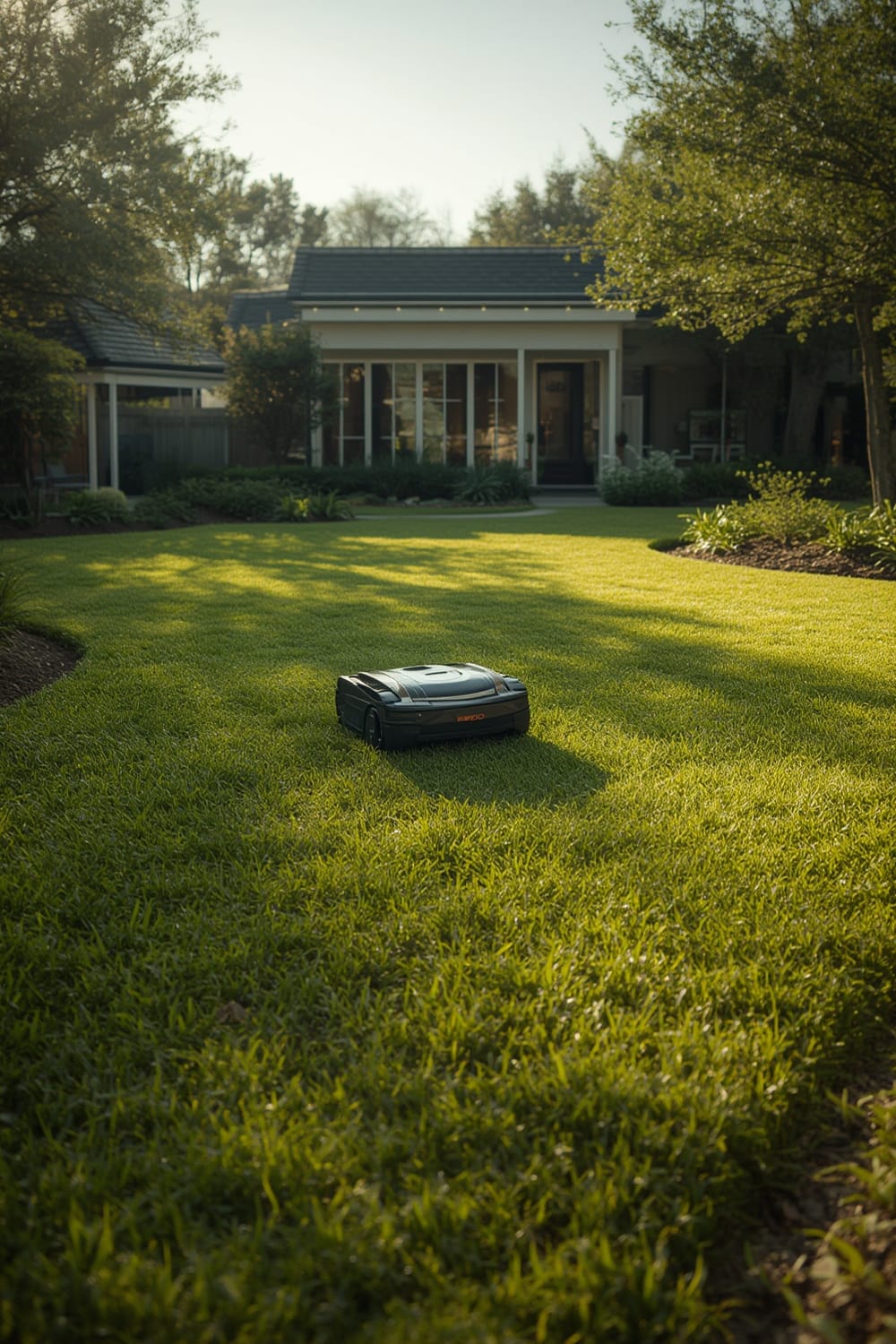
Wire-free robot mowers like the MAMMOTION LUBA AWD series can handle up to 80% slopes and deliver high-precision cutting, using a mix of LiDAR, RTK (Real-Time Kinematic) GPS, and AI vision. These models are part of a market that’s expanding quickly—a segment projected to reach $2.78 billion by 2029—yet the majority of users still rely on traditional boundary wire mowers for now. The move to wire-free navigation is driven by new sensor fusion, ongoing software updates, and the desire for greater flexibility—fewer boundaries, more automation.
If you’re coming from smart home trends like Matter compatible devices list or “Quiet Automation,” robot mowers are an obvious extension of modern backyard automation.
How to Choose and Set Up a Wire-Free Robot Mower
Use these steps to pick and deploy a wire-free robot mower suited for your property:
- Assess Your Lawn: Measure your total area, note steepest slopes (using your phone’s inclinometer), and sketch major obstacles. For lawns over 0.25 acres, prioritize models advertising multi-acre support and strong obstacle avoidance.
- Compare RTK Navigation Capabilities: Look for accuracy specs (±1 cm is best-in-class), especially if you have narrow zones, curved borders, or flower beds. Tri-Fusion setups (LiDAR, RTK, camera) outperform GPS-only options in complex layouts.
- Check Slope Specifications and Support: MAMMOTION’s LUBA AWD is rated for up to 80% slopes. Most other brands, such as Segway Navimow and Dreame LiDAR models, do not cite explicit slope ratings, which can signal weaker performance on hills.
- Factor in Ongoing Costs: Calculate the purchase price, included mapping (usually app-driven in wire-free models), and any mandatory subscriptions for full functionality, remote monitoring, or firmware updates.
- Install and Map Your Lawn: Follow in-app prompts to walk the mower or your phone around your yard, setting up digital boundaries. Most mapping uses a combination of initial GPS point setting and adaptive learning.
- Troubleshoot Coverage Gaps: After a week, check for missed patches or navigation errors, especially in shaded corners or near buildings, and adjust digital boundaries or add vision sensors if supported.
- Set a Maintenance Routine: Clean the mower, check blades, and clear debris after each mowing cycle. Schedule periodic firmware updates through the app to ensure software reliability.
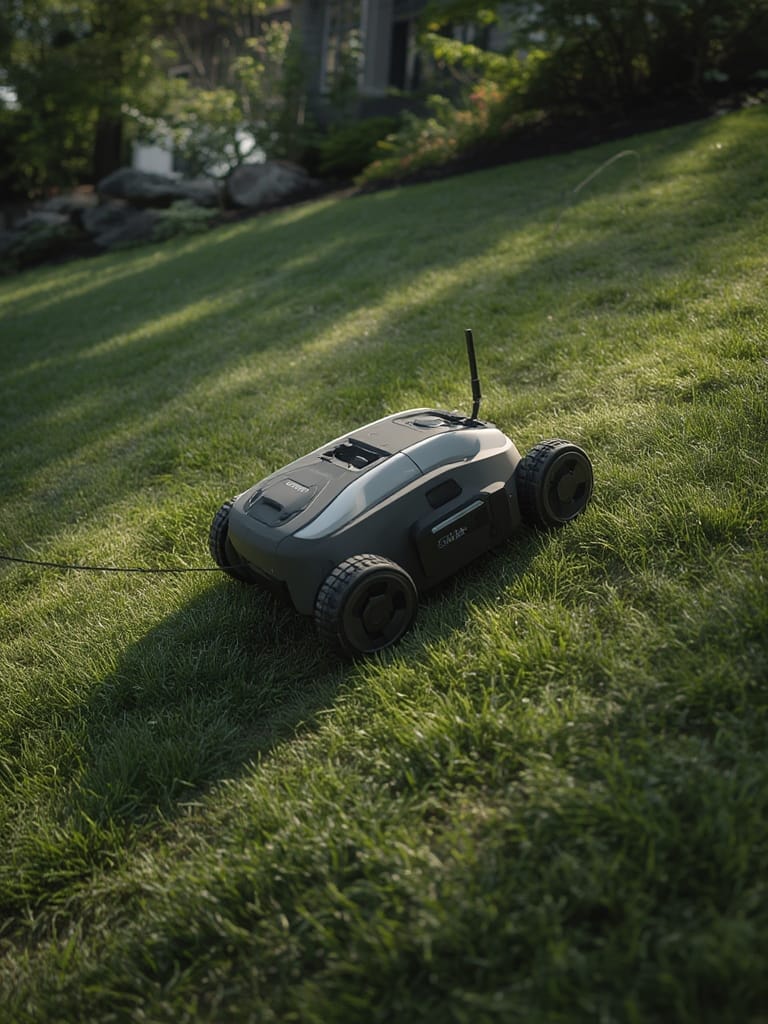
Looking to incorporate your robot mower into a larger smart home ecosystem? Some advanced owners use Matter-compatible hubs or predictive home automation platforms like Agentic AI to automate mowing schedules based on weather, occupancy, or even pet presence.
For multi-zone yards or high-value turf, keep your mower’s firmware up-to-date and consider subscribing to your manufacturer’s remote support or mapping upgrades—these can unlock new obstacle avoidance features or faster software updates in the future.
If cleanliness and hands-off operation matter, look for models supporting “self-cleaning” docks—the equivalent of a robot mop’s washing dock—to cut down on manual maintenance.
Advanced Analysis & Common Pitfalls of Wire-Free Robot Mowers
While wire-free robot mowers promise high flexibility, users still hit several snags. Here’s what separates marketing from reality:
- Market Maturity: In 2025, traditional perimeter wire models composed 64.75% of all sales, despite an 18.9% CAGR in wire-free sales. Smart buyers should note: most lawns are still mowed by wire-based robots, so finding support, replacement parts, or community troubleshooting for bleeding-edge models may take time (source).
- Cost Transparency: While wire-free mowers reduce installation time, long-term costs for app subscriptions or required updates are rarely advertised. These can add up over time, and some features may be locked behind paid plans (see industry report).
- Missing Real-World Case Studies: Major brands highlight their service to commercial clubs and parks but rarely share before-and-after photos or testimonials from average homeowners—especially those with uneven or sloped lawns (see example).
- Performance in Complex Gardens: RTK and vision systems work well on open lawns, but thick shade, property corners, and interference from outbuildings can create coverage holes. RTK fusion (LiDAR plus camera) beats GPS-only units here, but no robot mower is perfect—expect a learning curve or manual clean-up in trouble spots.
| Model/Series | RTK/Positioning Accuracy | Max Slope Supported | Battery Life | Cutting Width | Notes |
|---|---|---|---|---|---|
| MAMMOTION LUBA AWD | ±1 cm (Tri-Fusion: LiDAR, RTK, AI Vision) | 80% | Not specified | Not specified | Best for steep, complex lawns |
| Segway Navimow | AI-based wire-free (details not listed) | Not specified | Not specified | Not specified | Popular in mid-size gardens |
| Dreame (LiDAR) | 360° 3D mapping | Not specified | Not specified | Not specified | Designed for accurate paths |
| MOVA (Hesai LiDAR) | 360° omnidirectional; stable positioning | Not specified | Not specified | Not specified | Strong at avoiding obstacles |
Feedback from recent buyers rarely highlights recurring complaints about slope handling or rough lawns—possibly due to the segment’s youth and ongoing firmware improvements. However, missing or incomplete cost data and scant real-world performance stories mean every buyer should plan for some trial and error.
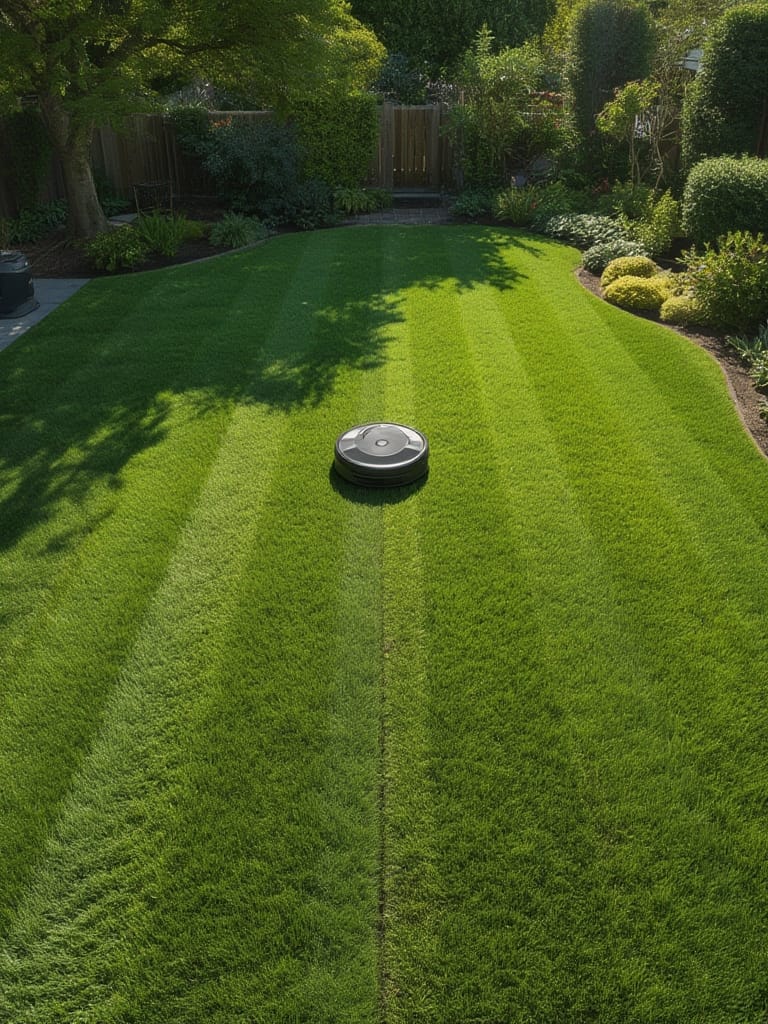
Want to optimize your backyard automation further? Consider adding sensors for mmWave presence detection so your mower pauses when pets or children are outside, or research wifi ph monitor aquarium solutions for integrating lawn and garden maintenance under a single smart-home dashboard.
Conclusion
Wire-free robot mowers represent a leap forward in hassle-free lawn care—especially for properties with odd shapes, steeper slopes, or evolving landscaping. Yet, gaps in cost clarity and the lack of transparent, before-and-after evidence mean that choosing the right robot mower takes more than reading specs. If you want to future-proof your yard (or your clients’ gardens), start by comparing brands that offer the most adaptive navigation and be ready to set—and occasionally adjust—your expectations. Curious whether a robot mower will work for your lawn? Check current market-leading models, review technical specs closely, and always look for real-world reviews before you buy. Ready for a cleaner, quieter yard? Start your wire-free lawn journey today.
FAQ
How accurate are wire-free robot mowers compared to perimeter-wire models?
Top-tier wire-free models use RTK GPS, LiDAR, and camera-based vision to achieve up to ±1 cm accuracy. While this rivals or surpasses boundary-wire guidance, accuracy may dip in deep shade or around metal buildings.
Do robot mowers work well on sloped or uneven lawns?
High-end models (like MAMMOTION LUBA AWD) claim to cover slopes up to 80%. However, always check the manufacturer’s slope rating—many general-purpose models don’t publish specs and may slip or stall on steep terrain.
Are there hidden costs with wire-free robot mowers?
Most units include mapping and initial software, but manufacturers increasingly use subscription fees for premium features, remote support, and firmware updates. Factor these into your decision, along with routine blade changes and cleaning.
Will my wire-free robot mower work under thick trees or near my house?
Some accuracy loss is possible if GPS signals drop out or if heavy tree cover blocks the sky. Models with extra sensors (LiDAR, AI vision) handle these spots better, but all brands can struggle in persistent GPS dead zones.
Can I integrate my robot mower with other smart home devices?
Yes, you can use Matter-compatible hubs, occupancy sensors, or even smart locks to control mower schedules and safety. See our full guide to posture corrector sensors or explore how automation trends affect outdoor tech.