

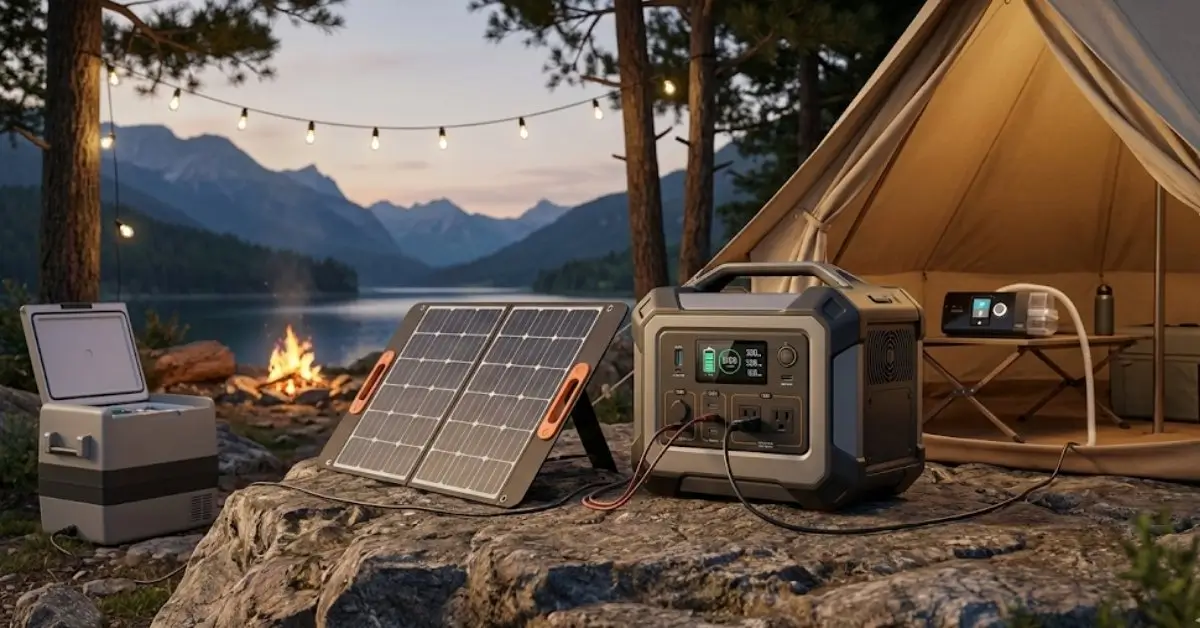
Power Station demand is surging as more homeowners, campers, and off-grid users prepare for blackouts, extreme weather, and mobile lifestyles. Whether you need silent backup during storms or reliable power for a CPAP on the road, there are big decisions and pitfalls few people talk about. This guide reveals what the industry data misses—so you can buy smart and avoid regrets.
Key Takeaways
- The global portable power station market will hit nearly $5 billion by 2024, driven by off-grid, emergency, and recreational demand.
- LiFePO4 battery generators offer superior safety, silent operation, and longer cycle life than standard lithium-ion, but most brands hide real-world runtimes and recharge times.
- Major pain points include unknown device compatibility, lack of real CPAP runtime data, unclear solar charging speed, and confusing feature lists.
- What Is a Power Station and Why Are LiFePO4 Models So Popular?
- Step-by-Step Guide: Choosing and Using a Power Station
- Advanced Analysis & Common Pitfalls When Buying or Using a Power Station
- Conclusion
- Frequently Asked Questions
What Is a Power Station and Why Are LiFePO4 Models So Popular?
A power station is a rechargeable battery generator designed to provide portable electricity for home backup, emergencies, camping, or work sites. Unlike gas generators, these units are silent, emission-free, and suitable for indoor use. Leading models combine high-capacity batteries, pure sine wave inverters, AC/DC/USB ports, and fast solar charging capability.
The newest trend is using LiFePO4 power station (Lithium Iron Phosphate) batteries inside power stations. Compared to conventional lithium-ion, LiFePO4 packs deliver more charge cycles, safer operation, and long-term value—especially for high-draw gear like CPAP machines or medical devices during an outage. As demand for dependable backup power rises, LiFePO4 is setting the new standard for off-grid reliability and peace of mind.
Step-by-Step Guide: Choosing and Using a Power Station
- Assess your needs. List everything you’ll power (fridge, laptop, CPAP, lights, phones), their wattage, and how many hours you want backup.
- Pick the right battery type. Aim for LiFePO4 if you want the best safety, longevity (2000-3500+ cycles), and consistent output for high-drain electronics. Latest industry research confirms LiFePO4’s advantage in silent and solar-compatible applications.
- Check real (not claimed) capacity and inverter output. Choose stations with at least 500-1000Wh for moderate needs; serious off-grid or RV use often requires 1500Wh+ and an inverter rated for your highest-wattage device.
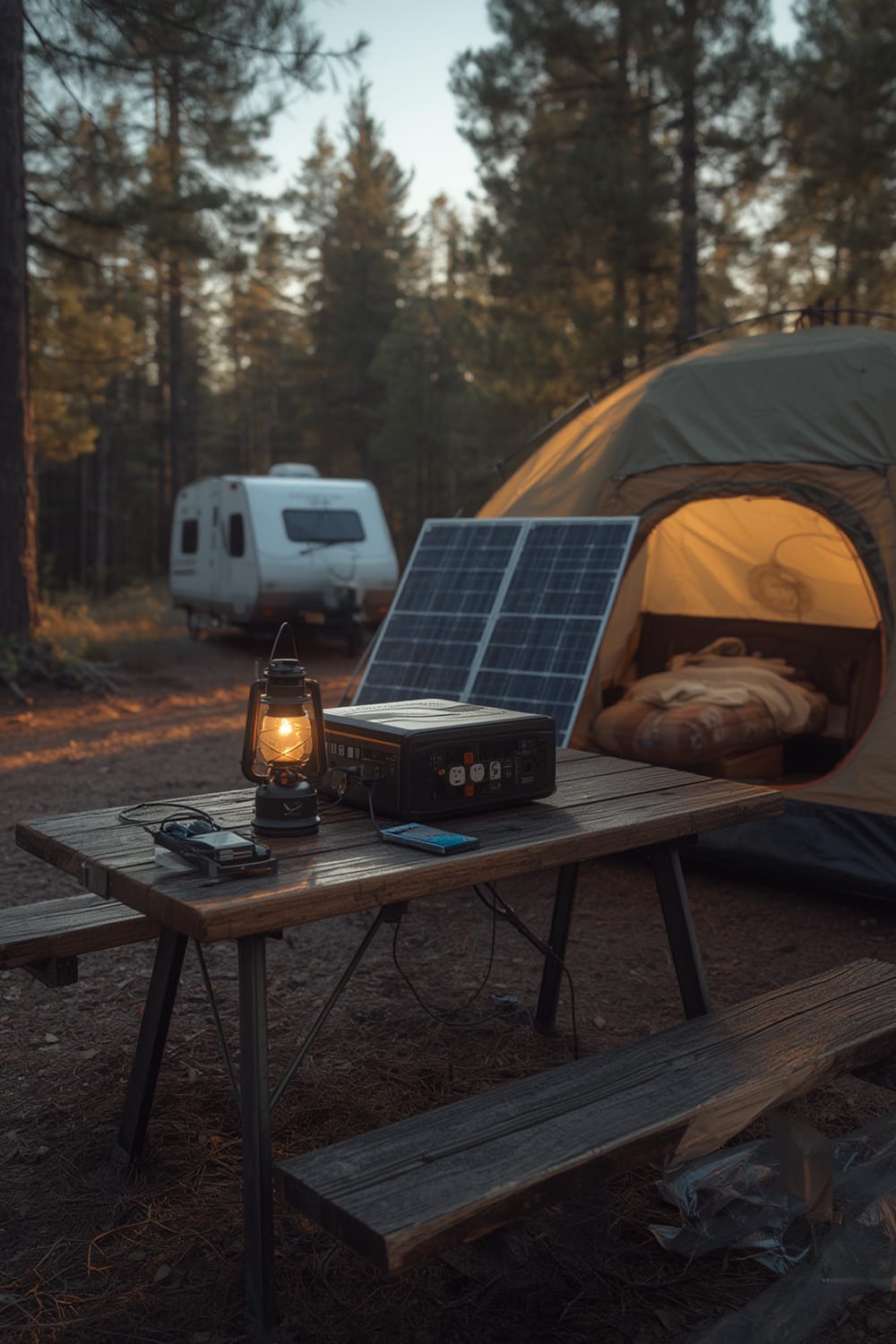
- Solar charging readiness. Look for models with standard MC4 connectors, high max input wattage, and explicit solar compatibility. Solar input should match the solar array size you plan to use.
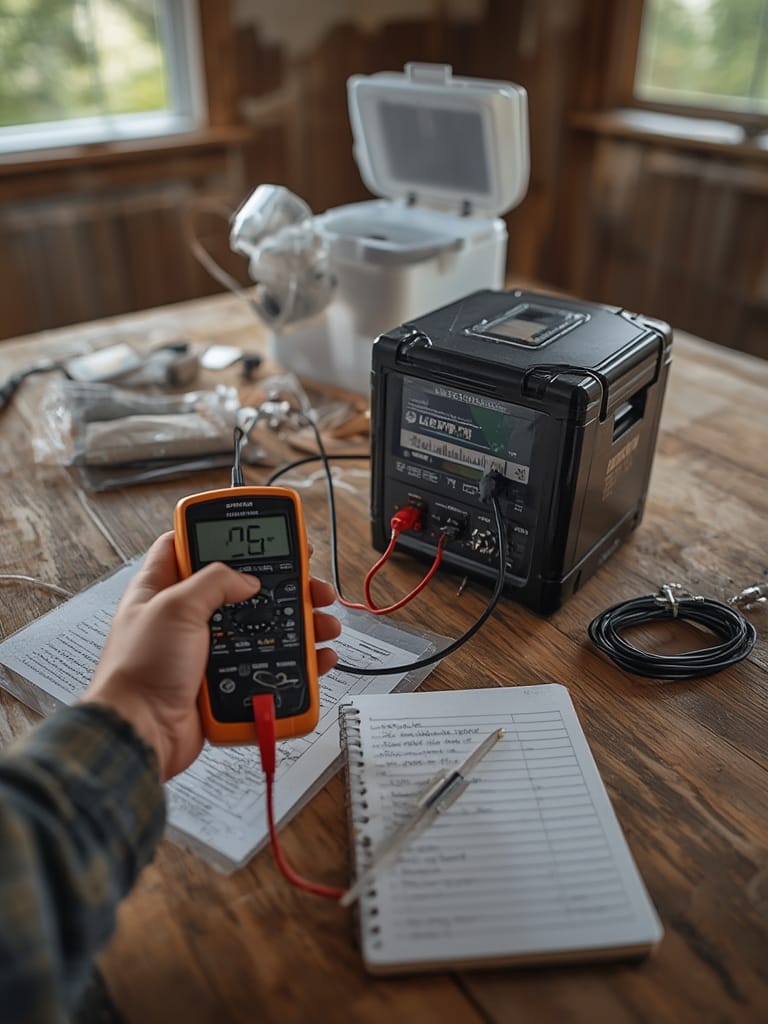
- Test your gear and record real runtimes. Every device/power station combo is unique; run a trial before you rely on it in the field, especially for medical equipment like CPAP. Manufacturers rarely publish real CPAP runtime data.
- Research weight, portability, and port selection. If you camp or travel, portability is essential—don’t buy a 50-lb power station for a tent!
For more automation ideas, you might want to check out how Agentic AI can optimize your routines or how advanced Aquarium Monitors use similar battery backup tech for remote habitat safety.
Advanced Analysis & Common Pitfalls When Buying or Using a Power Station
Based on major research reports and market data, most guides miss several critical user frustrations and pitfalls, especially for buyers relying on their investment during emergencies:
- Runtime Overestimation: Manufacturer specs use ideal lab conditions—real-world runtimes (especially for CPAP) are often 10-30% lower.
- Slow or Inconsistent Solar Charging: Claims often omit variables like shade, panel angle, or actual solar input limits—full solar recharge may take 3X longer than claimed outdoors.
- Confusing Port Labels and Underpowered Outputs: Not all USB-C ports provide high-wattage output; many “AC” sockets are limited by inverter size.
- Heavy Weight and Bulky Form Factor: Larger LiFePO4 power stations can weigh 40+ lbs—rarely mentioned in sales pages, but a real issue for camping and RV use.
- Warranty & Safety Certification Gaps: Most brands skip listing concrete UL, ETL, or cycle-life data. Always ask!
- No Real Data for Medical Use: There’s a total lack of transparent, brand-verified runtime info for CPAP or other critical medical devices.
| Feature | LiFePO4 Power Station | Standard Lithium-Ion |
|---|---|---|
| Rated Charge Cycles | 2000–3500+ | 500–1000 |
| Safety (Thermal Runaway) | Very low risk | Moderate risk |
| Outdoor/Solar Suitability | Excellent | Good |
| Weight | Heavier (for same capacity) | Lighter |
| Typical Price (2024) | ~ Data not disclosed | ~ Data not disclosed |
| Availability of Safety Certification | Varies, rarely listed | Varies, rarely listed |
Even top market reports—like those from Precedence Research and Fortune Business Insights—admit that real-world device compatibility, CPAP runtimes, fast recharge speed details, and warranty/UL data are usually missing. Always read deep into reviews and measure against your use case.
Offline sales have historically dominated (58% in 2025, source), especially for outdoor prep when buyers want to inspect units hands-on.
Conclusion
The landscape for portable backup power is changing fast, and LiFePO4-based stations are setting a new industry gold standard for reliability, safety, and solar compatibility. But be cautious: ignore vague claims about runtimes or solar charging speeds, and always look for real user data before relying on a unit for home or medical essentials. Thoroughly testing your Power Station before the first real outage or adventure pays off in peace of mind and safety. If you’re ready to upgrade or choose your first LiFePO4 battery generator, start by listing your must-have devices and demanding clear performance info from any seller.
For more insights on the latest smart home technologies that pair well with backup power, see our guides on Matter compatible devices, biometric locks, or pool monitoring solutions.
Frequently Asked Questions
Do all portable power stations use LiFePO4 batteries now?
No. LiFePO4 batteries are gaining popularity for safety and longevity, but many budget models still use standard lithium-ion batteries. Check the specs before buying.
How long will a LiFePO4 power station run a CPAP machine?
Most brands do not publish verified CPAP runtime data. As a rough estimate, a 500Wh station can run a 40W CPAP for about 10-12 hours, but actual results depend on usage and settings. Always test before relying on it overnight.
What certifications should I look for on power stations?
For safety and compliance, look for UL or ETL certification and a listed cycle life (2000+ is excellent for LiFePO4). Be aware, many listings skip these details.
How fast can I recharge a LiFePO4 power station with solar panels?
Recharge speed varies by panel size, sunlight, and the power station’s max input rating. Claims of “full charge in 3-6 hours” are rarely accurate outdoors. Expect 1.5-3X manufacturer times with average sunlight.
What’s the typical warranty for a LiFePO4 power station?
Manufacturers rarely publish concrete warranty or lifespan figures. Two years is common, but always confirm before buying—especially for off-grid or medical backup use.