

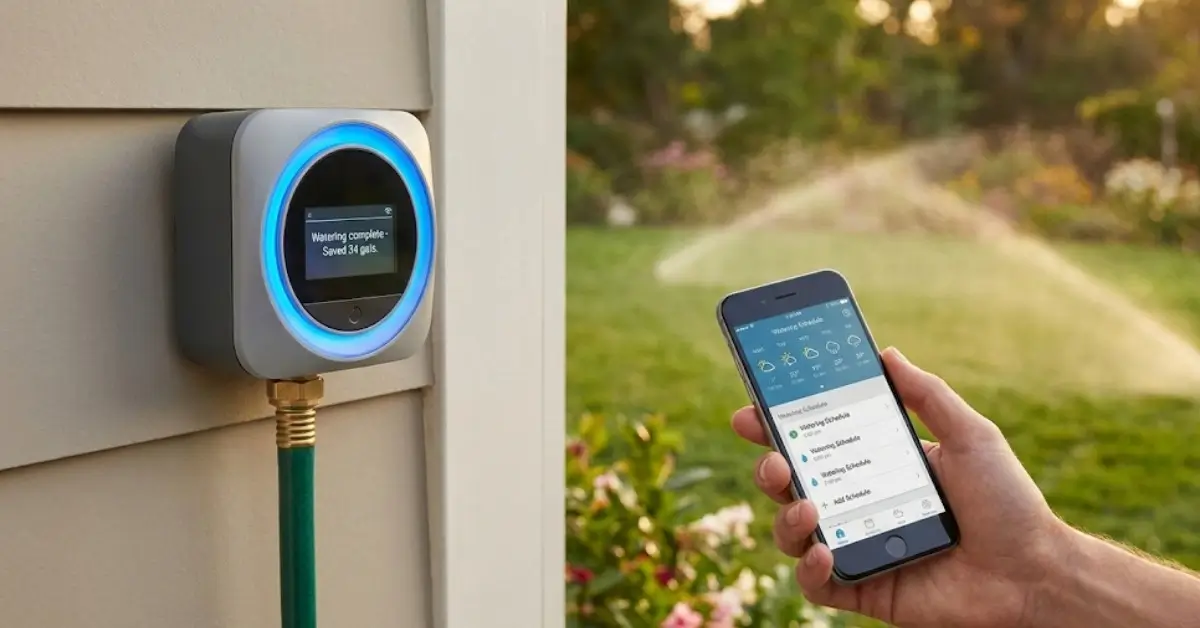
Smart Sprinkler systems are rewriting how homeowners manage lawns, gardens, and outdoor plants. If you want to maximize water savings, automate your yard, and get healthier landscaping with less hassle, this guide breaks down the practical realities—what works brilliantly, what to beware of, and how to choose wisely.
Key Takeaways
- Smart sprinkler adoption is rising fast in the US, with weather-based controllers leading growth for homeowners.
- There are major differences in device compatibility, setup, and actual water-saving results—cheap WiFi hose timers and high-end controllers are not created equal.
- Choosing the right system (and installing it correctly) delivers real savings, but market data shows pitfalls to avoid before you buy.
- What Is a Smart Sprinkler and Why Are They Surging?
- How to Install and Master a Smart Sprinkler System
- Advanced Insights & Common Pitfalls Most Buyers Miss
- Conclusion
- FAQ
What Is a Smart Sprinkler and Why Are They Surging?
At its core, a smart sprinkler is a WiFi-connected irrigation controller or hose timer that uses weather data, sensors, and app-based scheduling to automate watering. Unlike classic timers, these devices adjust watering based on local weather—raining tomorrow, they skip a cycle. Drought forecast, they minimize run times. This tech makes it possible to get greener lawns (or healthy gardens) while using far less water and almost no manual intervention.
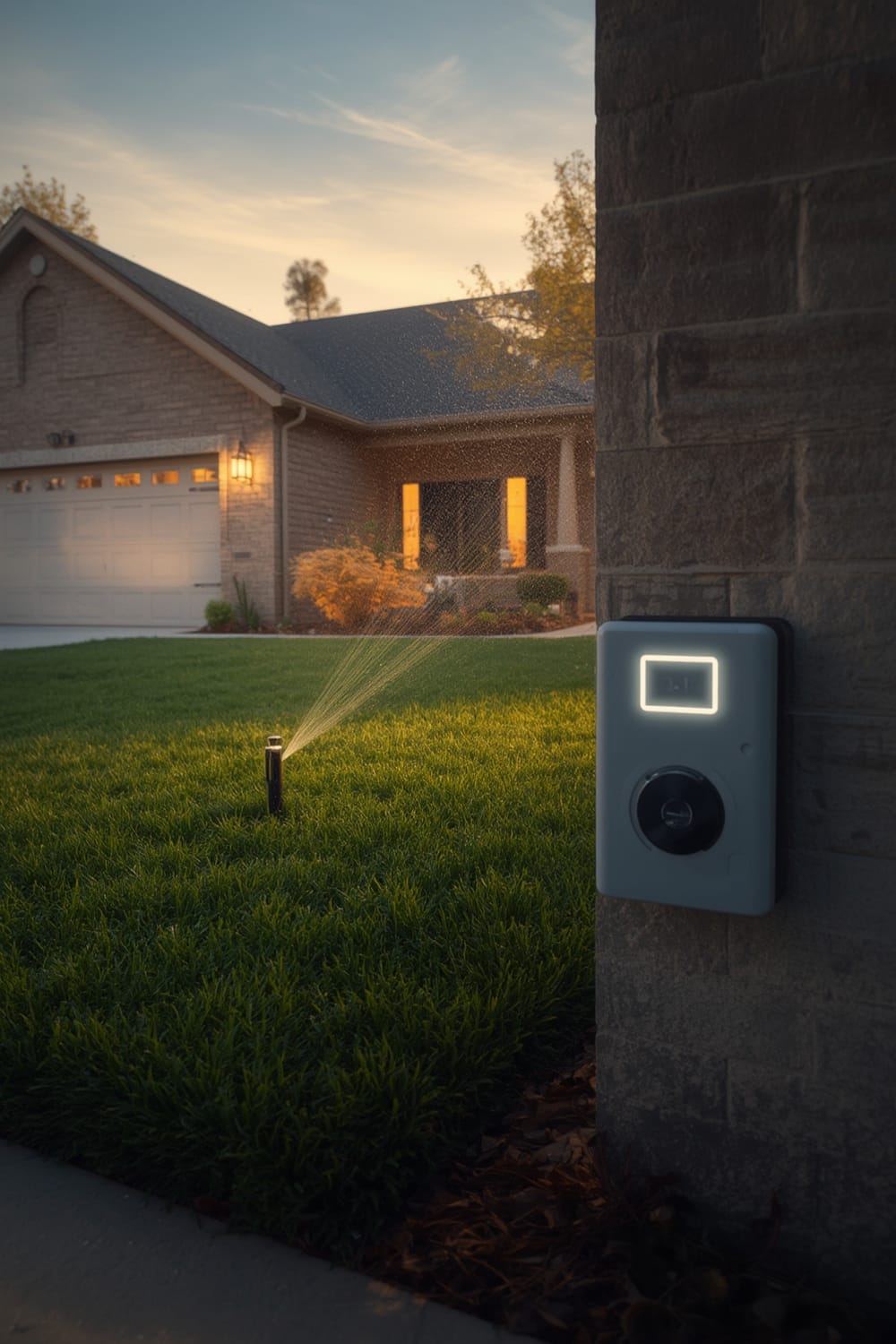
Surging droughts and rising water costs are pushing smart sprinklers into mainstream adoption. Market reports show the global intelligent sprinkler market reached USD 1425.2 million in 2024, with North America holding over 40% share. The US market is also projected to keep growing, reaching about USD 595.9 million by 2025. Homeowners are driving much of this as they look for both environmental and economic benefits.
But installation isn’t plug-and-play for everyone, and data shows substantial hurdles—from device compatibility to true water savings. Read on for a practical, step-by-step guide.
How to Install and Master a Smart Sprinkler System
The real power of a smart sprinkler system lies in matching the right controller to your yard, wiring it up correctly, and customizing schedules for your actual landscape zones. Here’s how to get results that go beyond marketing promises:
- Audit Your Current Setup: Determine if you use in-ground valves (solenoids), above-ground hose timers, or a mix. Identify zones and note any areas needing more or less water.
- Choose a Compatible Smart Controller: Check how many zones (stations) you need—most WiFi controllers such as Rachio 3 or Orbit B-hyve XR handle 4-16 zones. Make sure your wiring and valves are standard 24V (almost all modern systems are) or shop specifically for hose-end timers if you have no in-ground system. See which controllers appear in top reviews and market share listings, such as Rachio, Rain Bird, Toro, Orbit, and Hunter Industries.
- Plan for WiFi Placement: Most smart controllers need strong 2.4GHz WiFi at the install location—test your network’s signal with your phone before installing. Some newer models support Matter compatible systems to future-proof your smart home, ensuring smoother integration across brands.
- Install the Controller: Disconnect power, remove your old controller, and carefully label wires before transferring them to the new smart unit. Mount, connect, and power up. Download the companion app and create an account (free with most brands; premium features sometimes cost extra).
- Connect and Configure: Finish connecting WiFi (using app prompts or WiFi Protected Setup if supported). Add zone details in the app—sun/shade, soil type, sprinkler head type, plant types. Let the app auto-generate a schedule, but be ready to override where needed.
- Integrate Weather Data: Enable weather intelligence for auto skips (rain, freeze, wind). If local stations are unreliable, adjust settings or add a physical sensor as above. Some advanced systems use AI-driven routines for granular, predictive scheduling—more on that in our advanced analysis below.
- Test and Monitor: Run a manual cycle for each zone to ensure valves click on and off. Walk the yard to confirm coverage, leaks, and overlap. Set up push or SMS alerts for stuck valves or abnormal watering.
- Document and Share: Leave a quick-reference note taped near your controller for caregivers or house sitters—this is overlooked but saves time later, especially in emergencies.
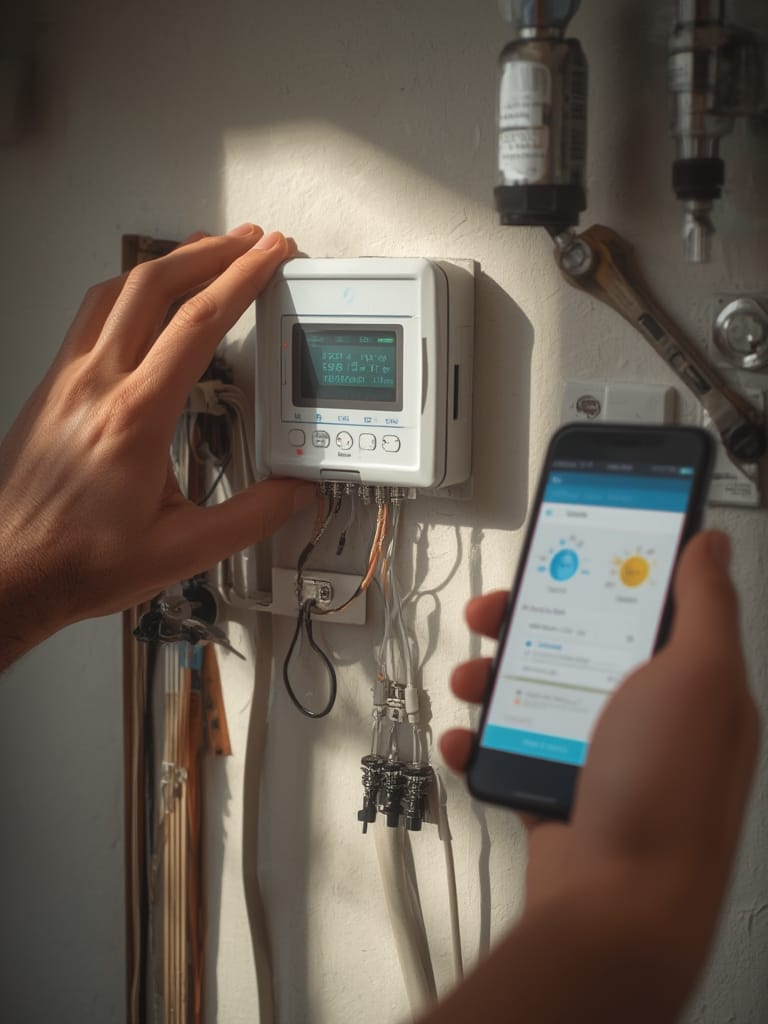
For renters or those seeking a non-permanent solution, WiFi hose timers usually offer quick, tool-free installation. Just know that these often lack advanced scheduling, have less robust weather skip logic, and are prone to user-reported issues with reliability, battery drain, and WiFi drops.
For smart ecosystems, pairing your sprinkler controller with a Matter protocol hub or other smart home plugs lets you automate watering based on occupancy or weather, provided your system supports open integrations.
Advanced Insights & Common Pitfalls Most Buyers Miss
Market research and user experience both reveal significant pros—and some often-overlooked headaches—when advancing to smart sprinkler tech. Let’s break down the most actionable insights.
Smart Sprinkler Market Growth & Innovations
Latest projections show the global smart sprinkler controller market hitting USD 1.3 billion in 2025. Weather-based WiFi systems for homeowners are expected to climb fastest, fueled by water cost pressures and local conservation rules.
Leading brands (Rachio, Orbit, Rain Bird, Hunter, Toro) focus heavily on water savings via real-time scheduling, with some newer models adding AI-like weather prediction and zone mapping. However, buzzwords can hide the real differences in device reliability and support.
Comparison: Rachio vs Orbit and Top Smart Controllers
| Controller | Zones | Wifi Type | Smart Home Support | App Fees | Typical Water Savings | Estimated Cost (Device+Install) |
|---|---|---|---|---|---|---|
| Rachio 3 | 8/16 | 2.4GHz, 5GHz | Alexa, Google, Apple HomeKit, Matter (via bridge) | None (basic) | 20%-30% (marketing claim) | $170-$260 + $0 DIY / ~$150 professional |
| Orbit B-hyve XR | 8/16 | 2.4GHz only | Alexa, Google, Apple (via Homebridge) | None (basic), optional premium | 20%-30% (marketing claim) | $130-$190 + $0 DIY / ~$120 pro |
| Rain Bird ST8 | 8 | 2.4GHz only | Alexa, Google | None | 15%-25% (marketing claim) | $110-$170 + $0 DIY |
Note: No manufacturer guarantees precise water savings. Results vary depending on location, yard conditions, and personal habits. Most controllers require a solid WiFi network and updated firmware to deliver consistent performance.
Common Pitfalls and Real-World Problems
- WiFi Range and Dropouts: Many negative reviews reference unreliable WiFi, causing missed schedules. Place controllers within the clear range of your router, and avoid dead spots—sometimes a dedicated mesh network is required.
- Inaccurate Weather Data: If the system relies solely on distant weather stations, watering skips may not align with actual local rainfall. Consider adding a physical rain sensor or fine-tuning the app’s weather station selection.
- Limited Compatibility: Not all controllers work with all landscape valves, especially in older setups. Double-check your valve voltage and wire count.
- Subscription Creep: While most offer free apps for core scheduling, advanced “smart” features or longer-term weather history may require premium subscription fees. Read the app’s fine print before you buy.
- No Universal Water Savings: While manufacturers claim up to 30% water use reductions, these are not guaranteed and assume optimized schedules and average rainfall. Lawns with dense shade or irregular coverage may see much less benefit.
- Complex Installations: Hardwiring a controller with unfamiliar wiring can overwhelm DIYers. For complex systems, professional installation ensures long-term reliability.
For ultra-reliability or if you want yard management from anywhere, consider integrating your smart sprinkler with a smart garage controller or monitoring systems like a WiFi pool monitor for a comprehensive smart yard setup.
What About Incentives and Rebates?
The North American market growth is strongly tied to water conservation initiatives. Many local governments, water districts, and municipalities offer rebates (sometimes $50-$200+ per system) for installing smart controllers. Specific 2024 programs vary by region and are not comprehensive in national reports—check your city’s or water company’s “rebates” page before buying for the latest available offers. More information can be found in recent market research reports.
If you’re shopping in a drought-prone area, your incentive opportunities can be better than average. Prepare to submit receipts and sometimes before/after photos for reimbursement.
Conclusion
Choosing and installing a smart sprinkler system is one of the highest-ROI upgrades for an outdoor smart home—if you do the homework. Markets show rapid adoption in North America, but regrets are real when buyers rush in. Whether you aim for big water savings, easy schedules, or hands-off automation, take the time to check compatibility, optimize your WiFi, and understand the limitations. Use advances like weather-based scheduling and physical sensors together for the best experience.
If you’re ready to reduce water bills and enjoy a lush lawn with far less effort, it’s time to explore a smart sprinkler. Research, prepare, and take advantage of any local incentives—your yard and wallet will thank you.
Want to go deeper? Check out our guides on upgrading with Matter compatible devices, leveraging Agentic AI for home automation, and integrating other smart yard tech like a robot mower for no-wire lawns.
FAQ
Do smart sprinkler controllers really save water and money?
Most users can save 15%-30% of outdoor water usage if the system is set up with zone-specific data and weather skips. Exact savings depend on your climate, lawn type, and proactive schedule adjustments. Marketing claims aren’t guaranteed for every yard.
What if my WiFi isn’t strong at the sprinkler controller location?
Use a mesh network or WiFi extender to boost coverage. For garages or outbuildings, some controllers support Ethernet adapters. Test with your phone before final installation so you don’t run into reliability issues.
Can I install a smart sprinkler controller myself?
Easy for most DIYers, especially when replacing an existing timer with labeled wires. For older systems or mystery wiring, hiring a pro is a smart investment for safety and reliability.
Are local rebates available for upgrading to a smart sprinkler system?
Many cities and water districts offer rebates, but availability changes yearly and by region. Always check your provider’s website before you buy for the latest rebate details and submission instructions.
Which smart sprinkler works best with Alexa, Google, and Apple?
Major brands like Rachio and Orbit support Alexa and Google out of the box. For Apple HomeKit compatibility, Rachio and Rain Bird are good picks, or look for Matter-supported controllers if you want broader smart home integration.