

Smart Feeder technology is reshaping how modern pet owners manage daily feeding routines, offering real-time control and peace of mind for increasingly busy households.
Key Takeaways
- Smart feeders deliver time-saving automation, advanced portion control, and connectivity for remote management via mobile apps.
- Common pitfalls include high upfront cost, connectivity glitches, and limited technical data on food freshness or multi-pet management.
- Adoption is highest in North America and Asia-Pacific, with fast growth but a lack of independent efficacy studies and long-term safety data.
The Core Concept
smart feeders are automated devices that dispense pet food according to programmable schedules. Unlike basic timed feeders, modern smart feeders feature Wi-Fi or Bluetooth connectivity, app-based controls, real-time status alerts, and health tracking data. They are designed to cater to working pet owners, multi-pet households, and tech-savvy consumers who want control and flexibility.
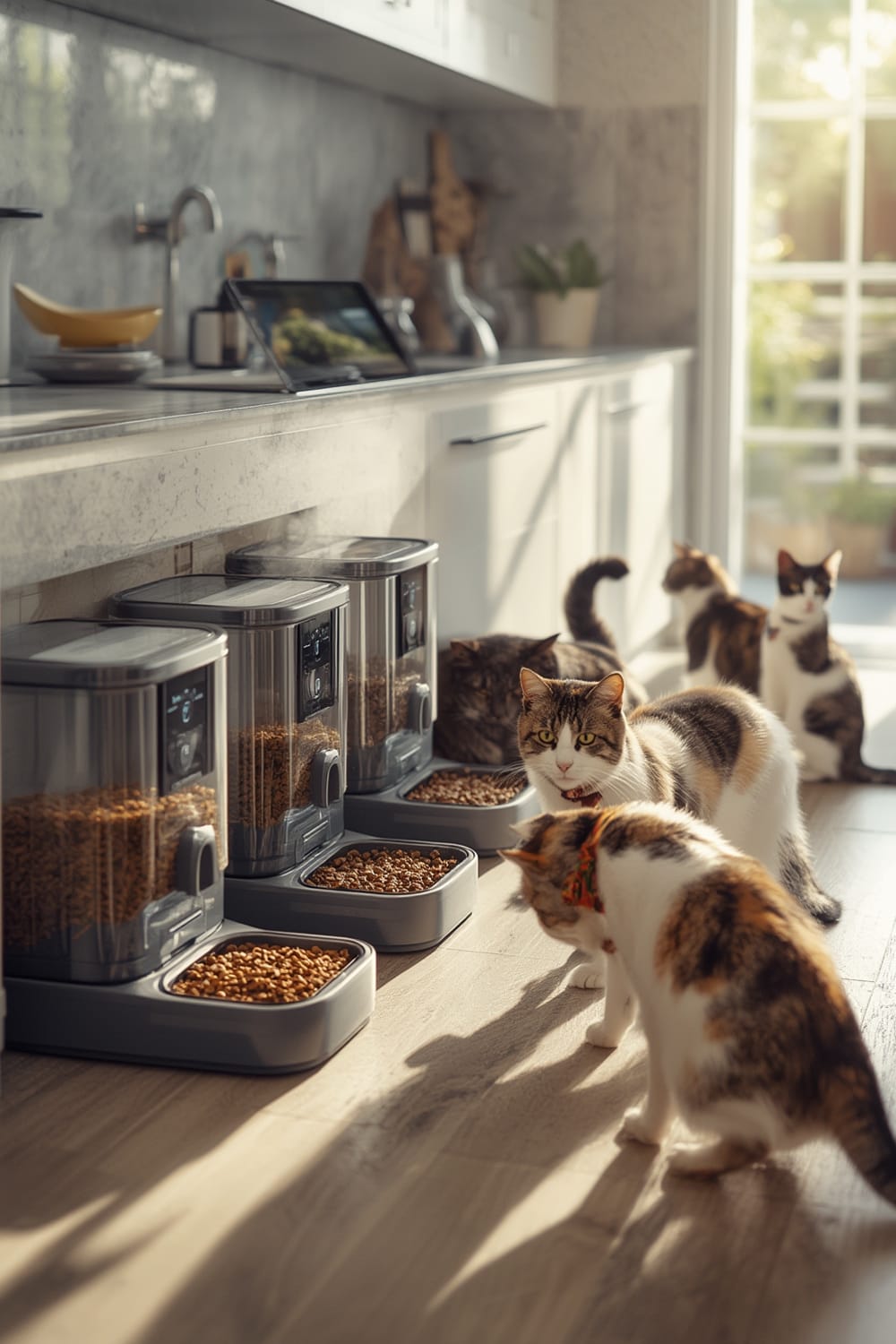
According to Grand View Research, the global smart pet feeder market was valued at USD 1,465.7 million in 2024 and is projected to reach USD 2,352.0 million by 2030. North America leads in adoption, powered by a 70%+ pet ownership rate among households. Innovation in Asia-Pacific, such as AI-integrated products, is further accelerating market growth.
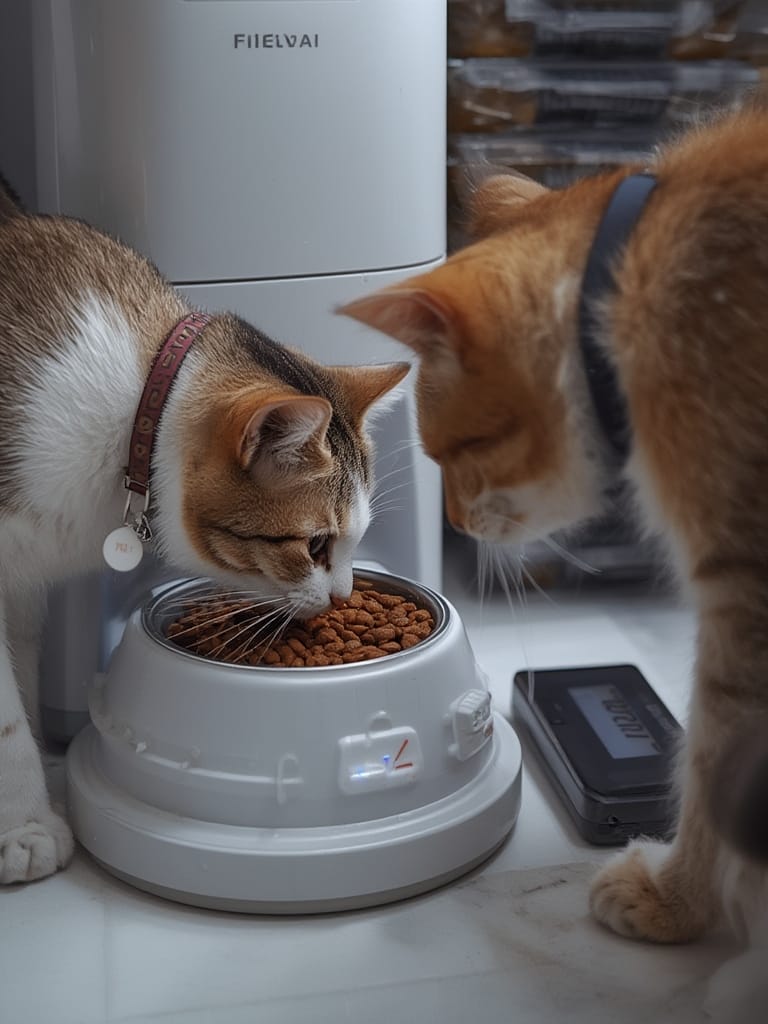
Smart feeders are not only about convenience; they offer portion precision, scheduled meals, remote monitoring, and sometimes even support for multi-pet households (especially those using 3L to 5L capacity units). However, they are not magic—technical limitations and a lack of vet-backed efficacy data persist.
If you’re seeking related pet tech, consider leveling up your home with a Smart Litter Box for automated cleanliness and odor control.
Step-by-Step Guide
To maximize the benefits and avoid the common errors with a smart feeder, follow these actionable steps:
- Assess Your Needs: Consider the number of pets, their dietary requirements, and whether you’ll need wet or dry food compatibility.
- Choose the Right Size: For most homes, a 3L to 5L feeder covers multi-pet needs; a 4L unit often provides the best balance between refill frequency and counter space (research source).
- Pick Features That Matter: Prioritize Wi-Fi connectivity, smartphone app integration, programmable portion sizes, and real-time monitoring. For multi-cat homes, look for microchip or RFID-enabled models (though market data is lacking on their real-world adoption).
- Unbox and Set Up: Follow the manufacturer’s instructions. Connect the feeder to your Wi-Fi, install the app on your phone, and test a manual dispense to ensure connectivity.
- Create Feeding Schedules: Program meal times and portions directly via the mobile app. Most models support multiple meals per day with precise increments, often down to 10g per portion.
- Monitor and Adjust: Use the app to track food levels, change schedules remotely, and watch for errors or jams. Update firmware as prompted for improved security and reliability.
- Regular Cleaning and Maintenance: Disassemble trays and hoppers for weekly cleaning. Wipe down sensors and check for stuck kibble. Replace batteries or check power connections as recommended.
Interested in other connected pet devices? Explore smart home animal tech like a WiFi Aquarium Monitor for your fish tank or see how Smart Doors can further automate your home’s pet management.
Advanced Analysis & Common Pitfalls
The convenience of smart feeders is offset by practical technical and adoption limitations. Here’s what research and real-world usage reveal:
- High Cost Barrier: Advanced models with Wi-Fi, cameras, and AI features routinely fall in the $150-$400 range, and ongoing costs or part replacements can add up. This is a recognized hurdle in both US and Australia, and impacts entry-level adoption (market report).
- Connectivity and Firmware Hiccups: Wi-Fi and app dependency means loss of home internet or poor firmware can leave the feeder offline or inoperable. Scheduled back-up battery backup operation isn’t always robust.
- Lack of Granular Efficacy Data: While marketing promises precise portion control and food theft prevention, no independent or veterinary-backed data exists to prove these capabilities. Field effectiveness is anecdotal at best.
- Wet Food Handling Issues: Most feeders are optimized for dry kibble. Wet food feeders are limited and may present more maintenance headaches or spoilage risk, especially if not refrigerated.
- Unclear Long-Term Safety and Regulatory Oversight: No major recalls or regulatory changes reported as of 2024. Sustainability, recyclable materials, and modular design are increasing, but specific safety performance data is absent.
| Feature | Common Standard | Reality Check / Limitation |
|---|---|---|
| Wi-Fi/App Control | Yes (Majority of Models) | Relies on stable home Wi-Fi, may lose connectivity |
| Capacity | 3L-5L | Best for dry food; large hoppers need more space |
| Portion Control | 10g increments common | No clinical validation of real-world accuracy |
| Multi-Pet Support | Some RFID/microchip feeders exist | No robust data on microchip accuracy or cat-specific adoption |
| Maintenance | Removable trays, app alerts | Wet food and battery backup maintenance often overlooked |
For a deeper dive into how interoperable your smart animal gear can get, check out our Matter Protocol overview for compatibility issues, or see Agentic AI to understand proactive device learning in connected ecosystems.
Conclusion
Smart feeders represent a major step forward in pet care convenient automation, but technical limits, cost, connectivity, and a lack of long-term efficacy data mean they’re not always the perfect solution for every pet home. The best approach is a balanced one—use a smart feeder as a reliable tool, not a hands-off replacement for attentive care. If you want to maximize technology in your pet’s routine, a smart feeder is an excellent but realistic investment.
Ready to try a smart, connected approach? Shop carefully and make the smart feeder work for you. If you found this actionable, explore further upgrades with pet-friendly home automation from our guides on Posture Correctors for owners, or Anxiety Vests for Dogs.
FAQ
Do smart feeders work without Wi-Fi?
Most smart feeders have basic backup timers or manual controls that allow limited operation without Wi-Fi, but the majority of advanced functions—like app remote feeding, smartphone alerts, and scheduling—will not work offline. Always read the specs to ensure your chosen unit meets your needs if connectivity fails.
How accurate is portion control in smart feeders?
Manufacturers advertise serving increments (often 10g) for portion control. However, there are currently no independent studies verifying real-world accuracy. Expect some minor variation, especially if food size or type changes.
Are smart feeders suitable for wet food or raw diets?
The majority are optimized for dry kibble. Some specialty feeders handle wet food, but may require frequent cleaning to avoid spoilage and bacterial growth. Battery backup is crucial for maintaining refrigeration if available.
What if my pet tries to outsmart or steal from the feeder?
No device is entirely foolproof. While some models use microchip or RFID-based doors, data on their effectiveness is lacking. Consider supervision and schedule adjustments if you notice resource guarding or food theft.
Are smart feeders safe over the long-term?
There are no major safety incidents reported as of 2024. Regulatory focus on sustainability and repairability is growing, but specific long-term safety studies or government recalls are not available.