

Pool Monitor technology is changing how homeowners and facility managers keep swimmers safe and water clean. Whether you run a commercial pool or just want your backyard swim to stay hassle free, knowing how modern pool monitors work—and where current products still fall short—can save time, money, and frustration.
Key Takeaways
- Smart pool monitor adoption is growing rapidly, but product transparency about technical specs, real costs, and user experience remains limited.
- User reviews, pricing info, and up-to-date spec comparisons are often missing from market reports—do your independent research before you buy.
- Advanced pool monitors offer automation and remote management, but real-world challenges like WiFi connectivity and chemical integration persist.
- Understanding Pool Monitor Systems
- How to Choose and Install a Pool Monitor: Step-by-Step
- Advanced Analysis & Common Pitfalls
- Conclusion
- FAQ
Understanding Pool Monitor Systems
Pool monitors are smart systems designed to automate the tedious job of tracking water cleanliness, chemical balance, and temperature. They connect wirelessly, often through WiFi, and feed real-time data to your phone or dedicated automation hub. Instead of manual testing, pool monitors can notify you of imbalances, detect leaks, and in advanced cases, even dose chemicals via connected automatic dispensers.
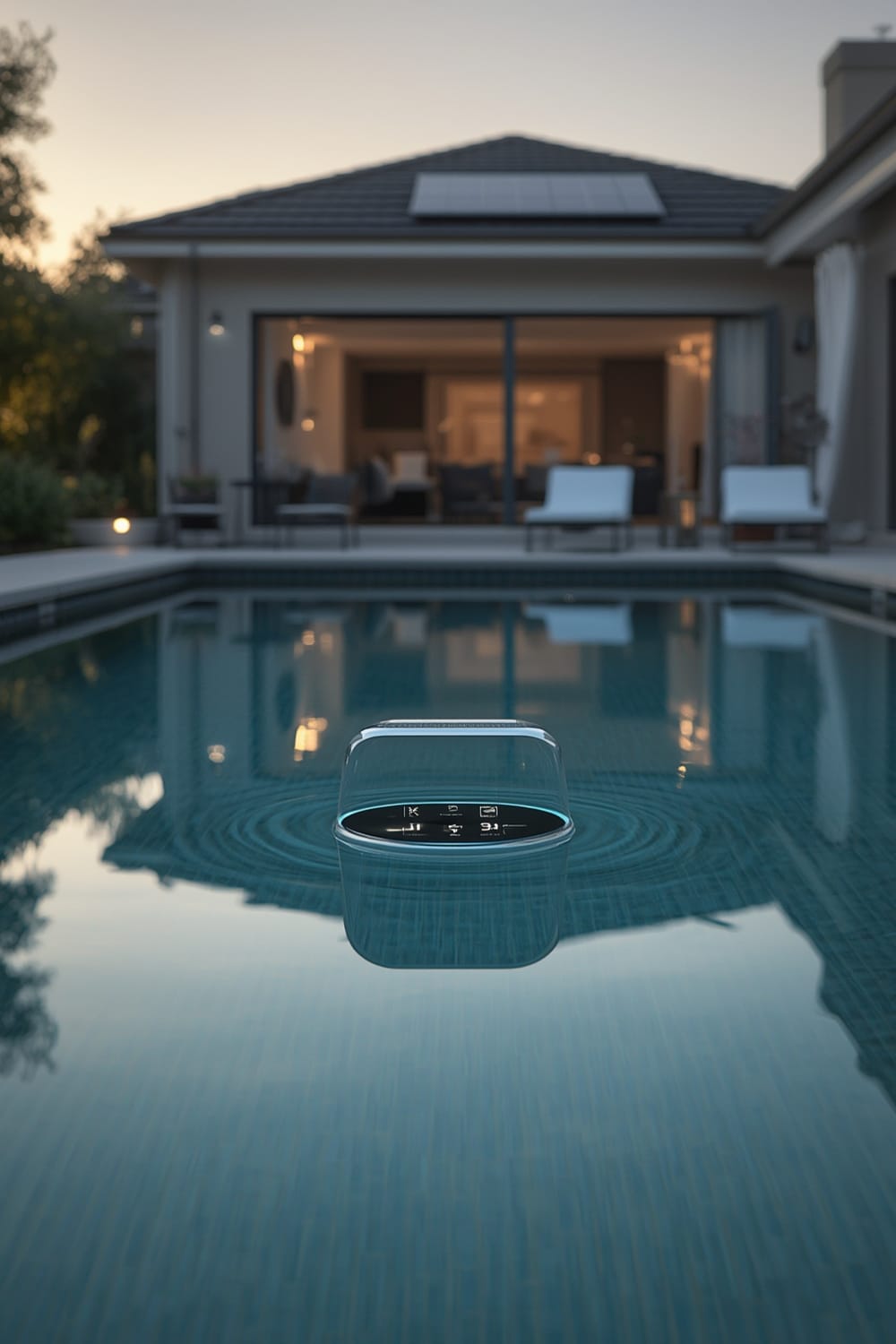
Modern pool monitoring systems are booming in popularity. By 2025, the market for automatic swimming pool monitoring is estimated to hit between $680 million and $5.37 billion, depending on how the category is defined. Growth is strongest in smart water quality monitors, which are expected to more than double in value by 2033 [Cognitive Market Research].
The core benefits: Saving you hours on manual testing, providing data-driven insights, and supporting compliance (especially in commercial or public facilities). With the rise in urbanization and high-end residential pools in Asia-Pacific, smart pool monitors represent one of the fastest-growing segments in home automation. For tech comparisons in similar remote monitoring, see our guide on the best WiFi aquarium monitors for water chemistry.
How to Choose and Install a Pool Monitor: Step-by-Step
Choosing the right pool monitor means looking beyond marketing claims. Here’s how to get it right from research to installation:
- Define Your Needs: Are you monitoring a home pool or a public facility? Do you need compliance with safety and regulatory standards, or just simple water balance notifications?
- Research Leading Brands: Start with top manufacturers like Pentair, Hayward, Zodiac, or newly innovative brands such as Sutro. Visit their sites for spec sheets—but also search for real reviews on Amazon or independent forums.
- Look for Key Features: Must-haves include real-time water chemistry reporting, temperature monitoring, strong wireless range, and robust companion apps. If you want hands-off chemical maintenance, check if the monitor integrates with automatic dispensers.
- Check Compatibility: If you run a smart home, consider whether the system works with your existing automation platform. The Matter protocol is increasingly important for device interoperability!
- Understand Upfront and Ongoing Costs: Since market data doesn’t list specific pricing, get quotes from distributors. Ask about replacement sensors, subscriptions, and what’s covered by warranty.
- Assess Installation Needs: Some systems are DIY; others, especially commercial controllers, require pro installation.
- Install and Configure: Follow manufacturer guides, set up the app (watch for buggy setup flows), and calibrate the sensors. Run a test cycle.
- Monitor and Respond: Start using app alerts. Still keep backup test strips or kits—tech isn’t always perfect.
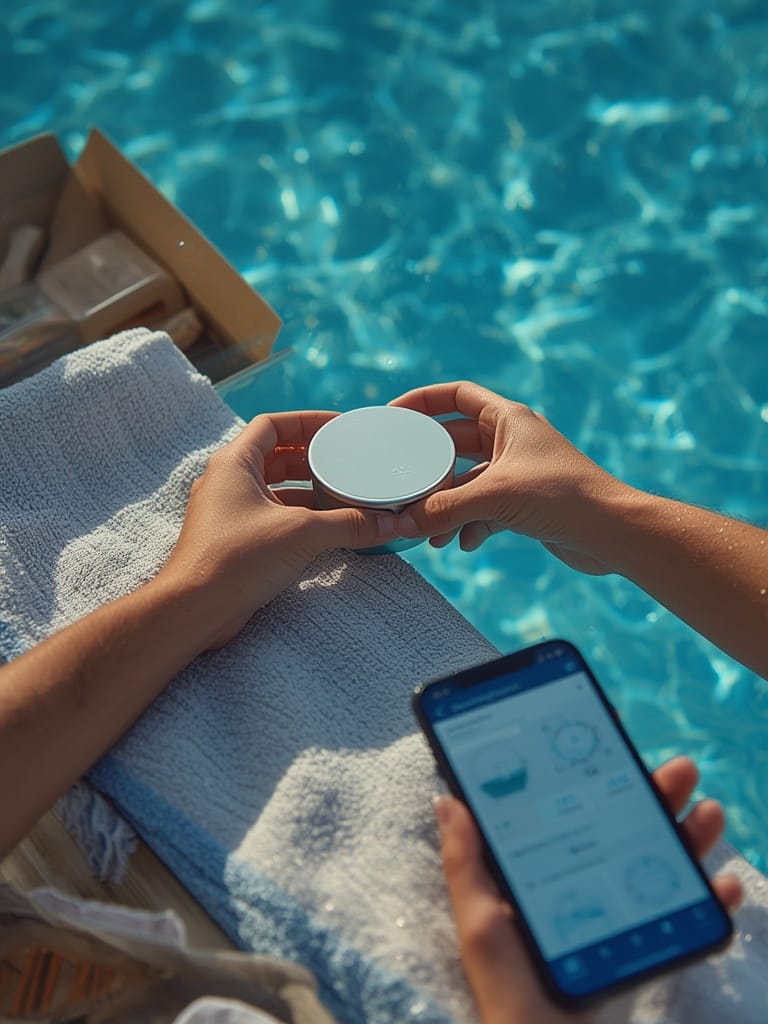
For bonus points, monitor energy efficiency by tying in smart pool pump controls or leak detection. Curious about fully autonomous homes? See how Agentic AI is changing predictive home automation.
Advanced Analysis & Common Pitfalls
Pool monitors have dramatically improved, but market data and real-world reports highlight several honest challenges. Here’s what buyers and facility managers should watch for.
Common Pool Monitor Pitfalls
| Pitfall | Description | Workaround / Best Practice |
|---|---|---|
| Opaque Specs & Missing Info | Most providers don’t clearly list sensor accuracy, battery life, or wireless range. No third-party reviews are cited in most market reports. | Use consumer review platforms and request detailed product sheets before purchase. |
| Limited Integration | Chemical dosing via automated dispensers is rarely supported natively. | Choose systems from major brands actively advertising dispenser compatibility. |
| WiFi Signal Issues | Large properties or brick pool houses can block wireless signals, causing disconnects and missed alerts. | Add outdoor WiFi range extenders or mesh networks focused on the pool area. |
| Regulatory Compliance Uncertainty | For public pools, little info is published on which systems meet strict regulations like the Pool and Spa Safety Act. | Contact vendors directly and verify compliance certificates, especially if running a facility. |
| Hidden Ongoing Costs | Market research does not disclose yearly costs for sensors, app subscriptions, or maintenance kits. | Ask upfront about consumables and service fees, or check user forums for real cost breakdowns. |
If you want tech for other home water environments, our review of WiFi pH monitors for aquariums breaks down similar pitfalls—especially regarding DIY vs. premium automation.
Pool monitors have also yet to standardize user experience. For example, data shows that battery complaints, faulty calibration, and buggy app notifications are discussed frequently on community review sites but rarely in official documentation. Technical support varies widely by brand; top-tier suppliers usually have better coverage but can be pricier up front. The lack of published regulatory standards (like NSF or EPA compliance) for pool monitors means that buyers, particularly in the US, should confirm with suppliers if the product is suitable for commercial or inspection-sensitive installations.
Lastly, while predictive maintenance and remote diagnostics are emerging features, most basic systems still require routine physical checks and sensor recalibration to stay accurate over time. Monitor tech is getting smarter, but it’s not truly “set and forget” yet for most users.
Conclusion
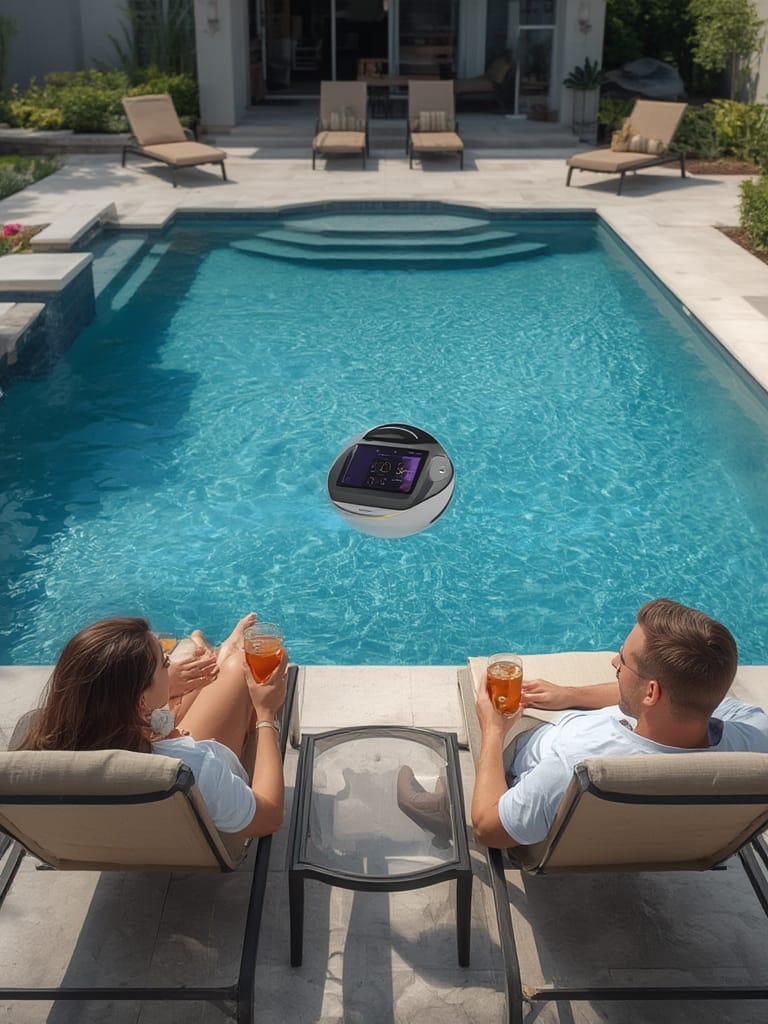
Smart pool monitors offer a major leap in water quality, safety, and peace of mind—but shoppers must be proactive. The market is evolving quickly, with projected revenues growing up to $17.51 billion globally by 2035. However, current products often leave big gaps in user-centric info, verified technical specs, and regulatory guidance. Before you install a Pool Monitor, arm yourself with honest user reviews, direct vendor communication, and a check on integration with your wider smart home platform. Ready to make pool care effortless? Start with a list of your most pressing needs—and don’t hesitate to compare across brands for the best fit.
Looking for more ways to automate your home and simplify maintenance? Explore our guides to smart home sensors, from Matter-compatible devices to biometric door locks and automatic litter boxes for pet owners.
FAQ
Are pool monitors accurate enough to replace manual testing?
Most consumer-grade pool monitors are accurate for regular use, but calibration can drift over time. It’s best to double-check with manual kits at least monthly, especially before heavy use or inspections.
Can smart pool monitors integrate directly with chemical dispensers?
Some advanced models support automatic dosing when paired with compatible dispensers, but integration is rare on entry-level units. Always confirm compatibility with your vendor if chemical automation is a must.
What hidden costs should I expect with pool monitors?
Beyond the purchase price, plan for replacement sensors, possible app subscriptions, and maintenance kits every 1-2 years. These ongoing costs are rarely disclosed up front by manufacturers.
Do pool monitors work with popular home automation systems?
Some leading brands integrate with smart home ecosystems—look for Matter or Alexa/Google compatibility. Others are app-only, so check integrations before you buy.
Is professional installation required?
Many pool monitors are DIY-friendly for residential pools, but large commercial systems often need expert setup. Always check installation guides and required tools before you order.