

Induction Cooktop technology is shaking up how we cook, making kitchens safer, more efficient, and smarter than ever. This article cuts through the hype with practical steps and real-world data to help you decide if induction is worth the switch — or what frustrations to watch out for before you buy.
Key Takeaways
- The global induction cooktop market will exceed $38 billion by 2030, with Europe and Asia Pacific leading adoption.
- Energy efficiency is the biggest benefit: induction averages 90% energy transfer versus 40% for gas.
- User reviews still flag issues like cookware compatibility and variable temperature precision for portable models.
- What Is an Induction Cooktop and Why Is Everyone Switching?
- How to Choose, Install, and Optimize an Induction Cooktop
- Induction Cooktop Pitfalls, Brand Comparisons, and Smart Feature Gaps
- Conclusion
- Frequently Asked Questions
What Is an Induction Cooktop and Why Is Everyone Switching?
Induction cooktops use electromagnetic fields to directly heat pots and pans — not the air, not a burner element. This makes them much more energy efficient, heats up food faster, and eliminates the open flame associated with gas cooking.
Cooking precision, fast boil times, and built-in smart features are driving global growth. In fact, Europe currently leads the market, with over 17% of German homes already using induction, and Asia Pacific is catching up quickly. Top brands like Bosch, Makita, and Fotile are pushing innovation with voice control, internal sensors, and IoT connectivity.
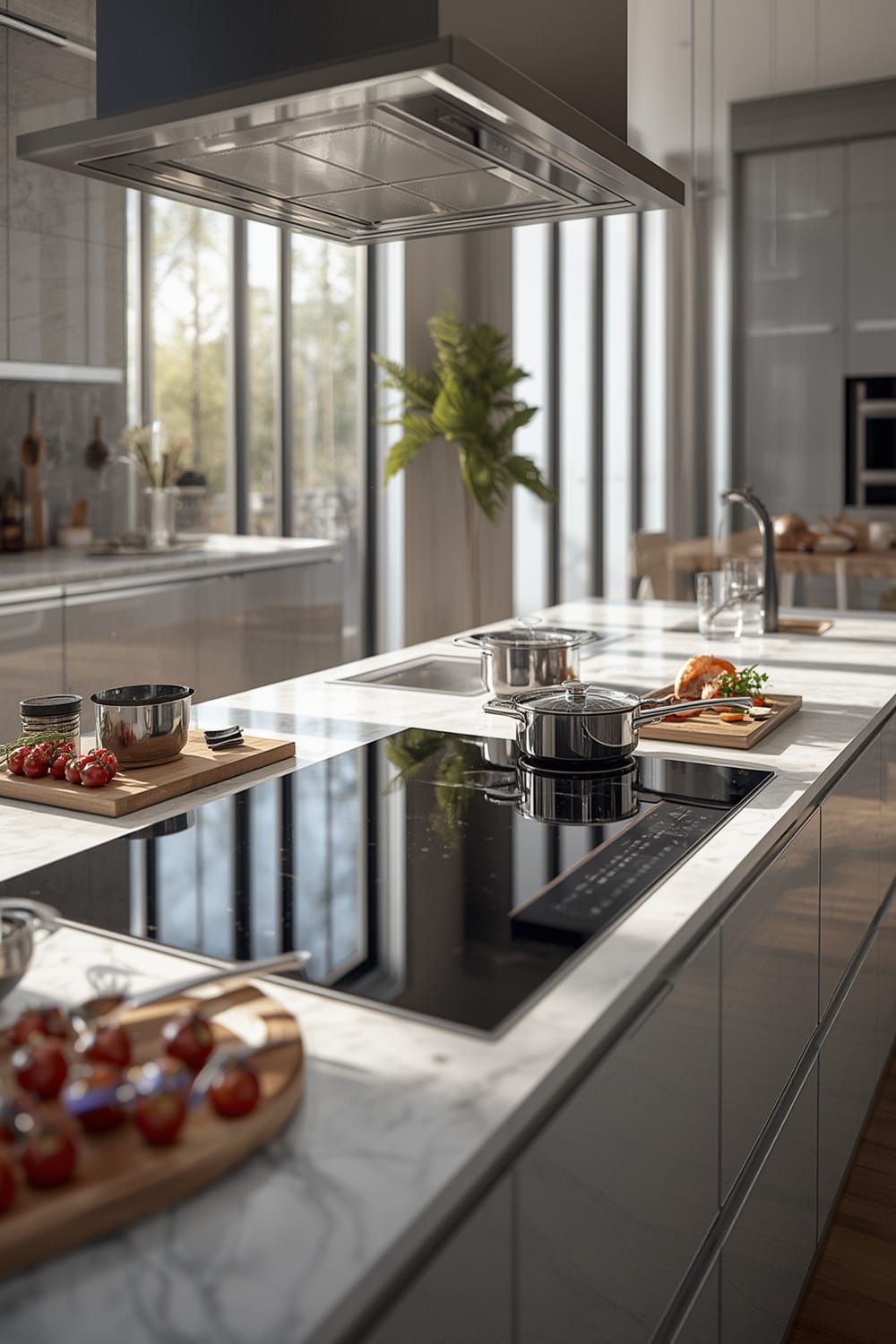
Induction’s core advantage is energy transfer: up to 90% of energy actually goes into cooking food. By comparison, most of the heat from gas or traditional electric coils is wasted. For households trying to cut energy bills or shrink their carbon footprint, that’s a game changer. Precision control also means you can melt chocolate or keep soup on low without burning — if your cookware is induction safe.
Smart air fryers, AI-powered ovens, and other connected kitchen appliances are part of the same wave, with systems beginning to learn your cooking habits and automate settings. Induction cooktops fit naturally into this evolving smart home landscape.
How to Choose, Install, and Optimize an Induction Cooktop
Ready to upgrade? Here’s a step-by-step process to avoid costly mistakes — and get the best results right away:
- Assess Your Space and Power Setup.
- Confirm your countertop dimensions for built-in models, or shelf space for portable models.
- Most induction cooktops require a dedicated 240V outlet — hire a licensed electrician if needed.
- Check your breaker panel’s capacity, especially for larger or multi-burner units.
- Choose the Right Induction Cooktop Type.
- Built-in units offer a seamless look but require professional installation and more power.
- Drop-in/vertical double designs are great for specialized cookware like round-bottom woks (learn about the niche market here).
- Portable models can be stowed away and plugged into a standard outlet — best for renters, dorms, or testing induction without major commitment.
- Ensure Cookware Compatibility.
- Use pots and pans labeled “induction safe,” or check with a magnet as above.
- Watch out for cheaply constructed pans: thin or warped steel bottoms can produce uneven heating even if they’re technically compatible.
- Evaluate Smart Features and Controls.
- Look for models with clear, intuitive touch panels.
- “Smart” cooktops may add voice control or app features. Bosch and Fotile, for example, are pushing into AI-powered voice and sensor control (see tech details).
- Consider IoT integration with broader smart home platforms, such as Matter protocol, for truly seamless kitchens.
- Install Carefully for Safety.
- Installation of built-ins should always be performed by a certified professional. Improper grounding can result in shock hazards.
- Portables still demand caution: keep the vents clear, never stack items underneath, and don’t use outdoors.
- Optimize for Efficiency and Precision.
- Take time to learn the power levels and timer functions — induction cooktops often beat gas in ramp-up time but require nuance for simmering or delicate sauces.
- Try multi-stage cooking presets or program your own settings if your cooktop supports it. Pair with a smart home energy dashboard to track your usage in real time.
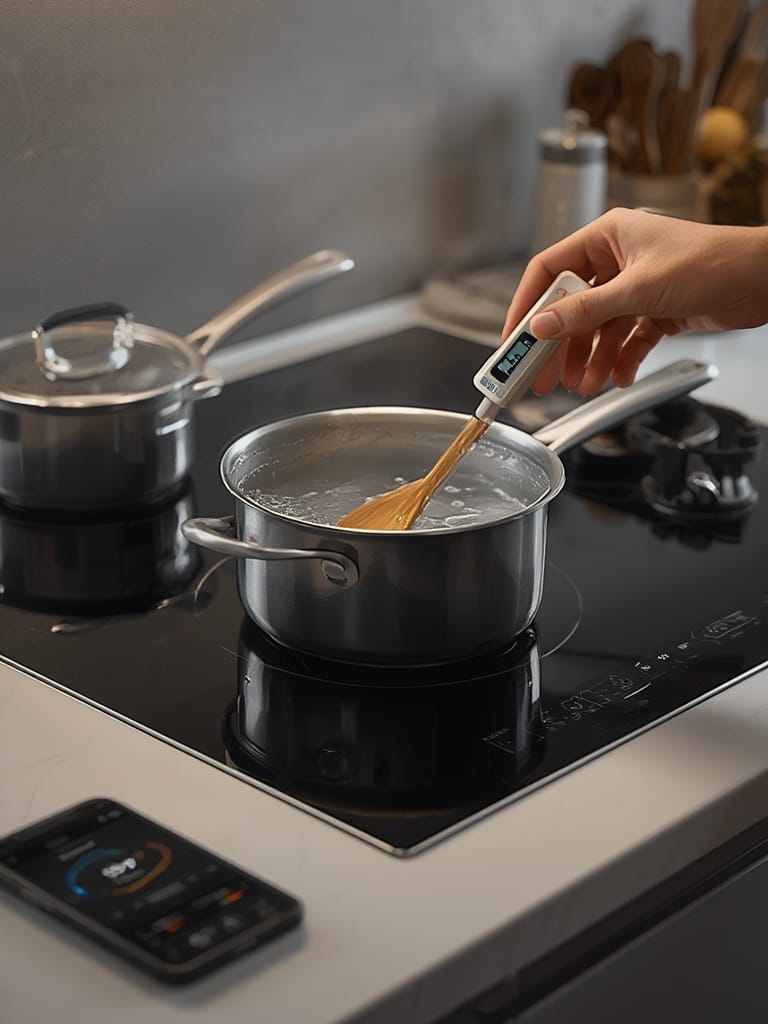
- Maintenance: Wipe down after each use, clean spills immediately, and check that cookware bases remain smooth to avoid scratching the glass top.
- Troubleshooting: If your cooktop won’t turn on or only runs at low power, review breaker panel settings or check for an error code relating to incompatible cookware (learn how temperature fan controls evolved for precision grilling).
Induction Cooktop Pitfalls, Brand Comparisons, and Smart Feature Gaps
Induction cooktops may promise safer, faster, and smarter cooking — but no technology is flawless. Below, you’ll find real user pain points, current market limitations, and what is — and isn’t — actually proven by hard data.
Energy Use and Cooking Precision: What’s Actually Measured?
- Energy transfer efficiency peaks at 90% (source: Grand View Research), compared to 74% for electric and 40% for gas ranges.
- However, most market studies rely on manufacturer claims and do not include independent, real-world lab testing or user-monitored energy consumption.
- There is little concrete comparison data between smart induction and smart gas ranges with similar tech controls.
Common Pitfalls and Complaints
- Cookware Compatibility
- You must use ferromagnetic cookware. This leads to unexpected costs and frustration for some buyers.
- Cheap or thin cookware can result in noisy operation or uneven heat, even if “compatible.”
- Temperature Precision Gaps
- Smart controls sound great, but real-world user reviews reveal inconsistencies, especially for low-simmer or delicate recipes.
- Portable models receive more complaints about temperature cycling and inability to hold to-the-degree settings.
- Installation and Electrical Load Surprises
- Full-size built-ins generally require rewiring or dedicated circuits. DIY installs can void warranties or create risks.
- Portable models are simple, but often limited by available amps, and cannot match full performance of built-in units.
- Smart Feature Overpromise
- AI voice or advanced sensors are rarely as seamless as promised. Reviews note connectivity glitches and inconsistent app functionality.
- No third-party testing exists for AI features or long-term update/support policies.
Brand and Feature Comparison Table
| Brand | Smart Features | Known Pros | Known Cons |
|---|---|---|---|
| Bosch | AI/voice, temperature sensor, IoT | High reliability, sleek design | Premium price, complex install |
| Makita | Advanced app, adaptive heating | Advanced control, energy efficient | Inconsistent app updates, less dealer support |
| Fotile | Voice, smart scheduling, AI presets | Great for Asian/wok cooking, built-in safety | Compatibility quirks, limited support outside Asia |
| Portable Brands (Generic) | Basic digital control, timers | Low price, easy to move | Less precise temp, more negative reviews |
It’s clear that built-in induction cooktops rule the premium market, but most brands — even top tier names — are still perfecting their smart features and temperature precision. If you’re mainly interested in “connected” kitchens, review how Matter compatible devices and cross-brand standards are beginning to solve compatibility headaches.
The biggest holes in competitor coverage? Lack of authentic user-experience testing, no real pricing transparency, and vague claims around smart features — so be sure to check real user reviews and request detailed product documentation before you invest.

Conclusion
Induction cooktops are fast becoming the norm for households seeking efficiency, safety, and smart connectivity. They save energy, speed up meal times, and increasingly offer advanced controls. Still, don’t underestimate the need for special cookware, the occasional smart feature letdown, or the complexity of upgrades and installation.
If you value energy savings and precision — and are ready to embrace the future of kitchen tech — a smart induction cooktop can revolutionize your cooking. Always verify compatibility, review trusted user feedback, and assess your home’s electrical setup before making the jump. Ready to upgrade? Compare induction, gas, and hybrid models today for your smartest kitchen yet!
Frequently Asked Questions
Do induction cooktops require special cookware?
Yes, only magnetic (ferromagnetic) cookware works with induction. To check, see if a magnet sticks to the base. Stainless steel, cast iron, and some enameled steel pans work, but copper, glass, and aluminum pans do not unless they have an induction-compatible bottom.
How energy-efficient are induction cooktops compared to gas?
Induction transfers up to 90% of energy into the food, while most gas ranges manage only 35% to 40%. This means induction can cook meals faster and with less wasted heat.
Are smart features (like app control or voice) reliable?
Results vary. Some brands offer smooth app controls and voice integration, while user reviews reveal bugs, update lags, or app abandonment. If smart features are key, research each brand’s support and regularity of software updates.
What is the main safety benefit of induction cooking?
Induction cooktops do not produce open flames and only heat the cookware, not the surrounding surface. This reduces burn and fire risks, though care is still needed for hot pots and children.
Can I install an induction cooktop myself?
You can install portable models by simply plugging them in, but built-in models require a dedicated high-voltage line and should be professionally installed to meet safety and warranty standards.