

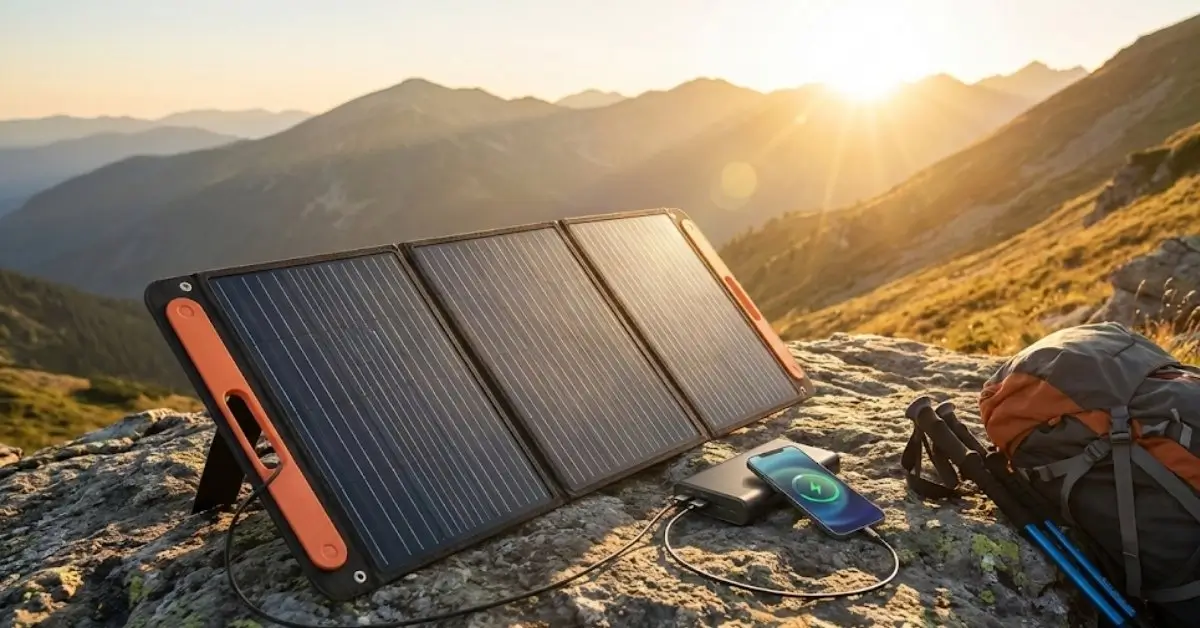
Solar Charger technology now delivers real-world charging on the trail, but selecting the right model is tricky—especially for hiking and camping where weight, reliability, and efficiency matter most. This no-nonsense guide gives you the facts (and the fine print) that most reviews miss.
Key Takeaways
- Most portable solar chargers reach 15-23% efficiency in 2024, but output drops sharply in shade or clouds.
- Foldable solar panels outperform rigid models for hiking due to weight, packability, and faster setup.
- Common issues include slow charging, weather-related power loss, and confusion about safety ratings—know before you buy.
The Core Concept
Portable solar chargers transform sunlight directly into usable electricity, letting you recharge phones, GPS, battery packs, and even small appliances in remote locations. For hikers and campers in 2024, the biggest improvements are higher panel efficiency (up to 23%) and lighter, foldable designs optimized for real movement, not just static campsites.
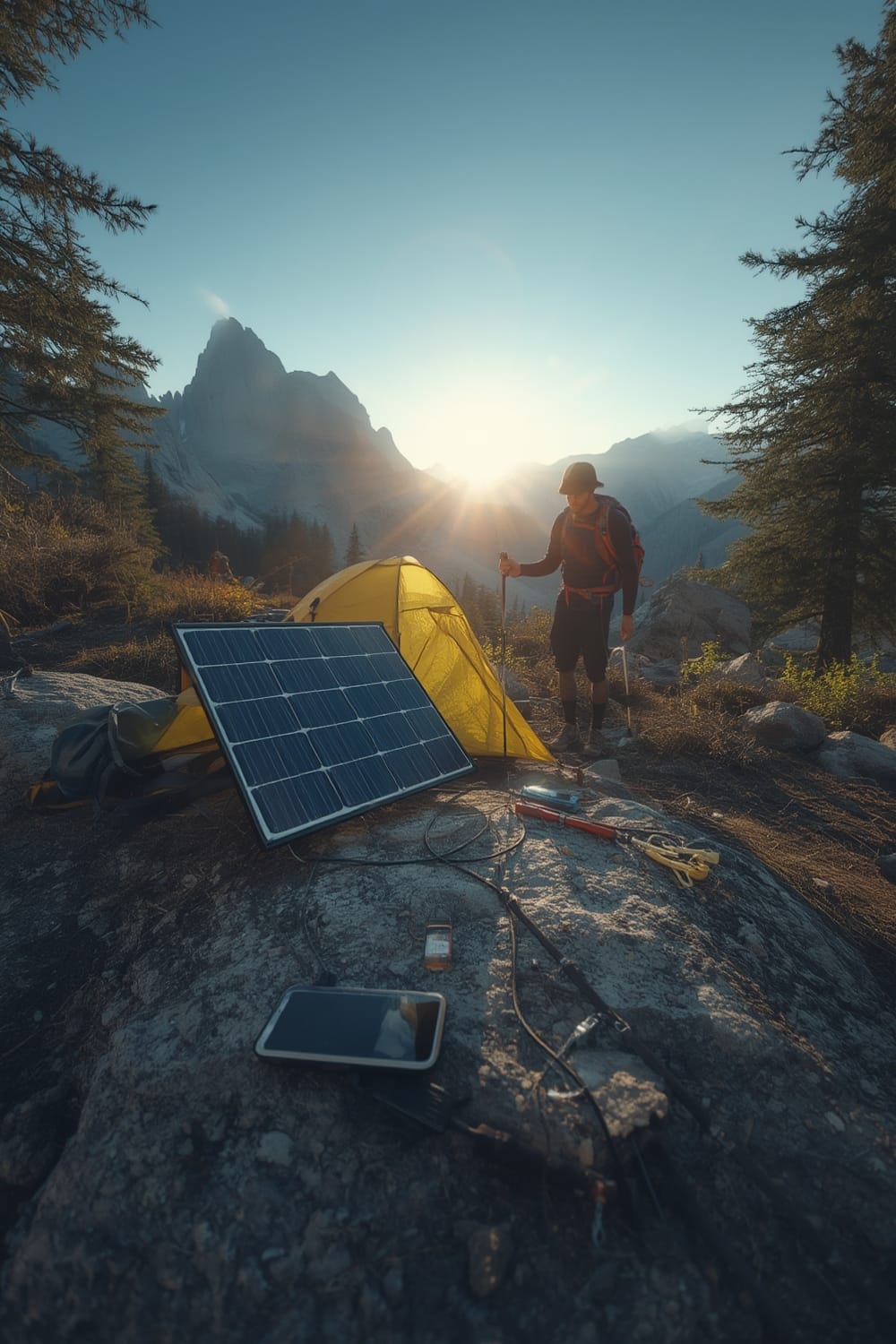
A modern foldable solar charger weighs less, packs smaller, and sets up twice as fast as past models, prioritizing actual field usability. That said, claims of “220 watts” or “25% efficiency” always depend on ideal sunlight—real-world results are usually lower, with variable output depending on weather and angle. Recognize that for backpacking, you’re making a deliberate trade-off: a portable solar charger extends off-grid independence, but never replaces a wall outlet for speed or consistency.
If device safety matters, look for verifiable certification (like SGS or LFP battery specs) and weather resistance. Most units today target USB-C compatibility, ensuring you can top up modern phones, satellite communicators, or battery banks. To maximize runtime, match panel watt-hours (Wh) to your devices, and don’t assume every panel lives up to its maximum rating outside the lab.
Step-by-Step Guide
Here’s a practical way to select and use a portable solar charger for your next hiking or camping trip, avoiding the most common mistakes.
- Estimate Your Power Needs:List all devices you plan to charge. For each, estimate daily watt-hours or mAh needed. For a smartphone: around 10–15Wh per full charge. Multiply by number of days/hikers.
- Match Panel Size & Efficiency to Your Gear:For solo day-hikes, 10–28W foldable panels (like BigBlue SolarPowa 28) are most practical. For extended groups or extra gadgets, step up to 60–100W, but remember real output will be 20–30% lower in shade or clouds (see test data).
- Check Weight and Folded Dimensions:Aim for panels under 2 pounds that fold smaller than a laptop. Foldables now dominate for hiking because they tuck into side pockets, unlike rigid units.
- Simplify Charging:Pick models with built-in USB-C and standard USB ports to connect any phone or power bank directly. Models supporting MC4 output are best for specialty gear, but may add weight.
- Prioritize Weather Resistance and Certification:Outdoor use demands some ingress protection. Look for product pages advertising SGS 5-Star certification or LFP battery cells for safer, longer-term field use (details here).
- Plan for Partial Shade and Variable Weather:Panels rarely achieve their lab-rated maximum. Under cloud or in shade, a “100W” panel might only deliver 50–75W (real-world review source). Carry a small power bank as backup if consistent charge is vital.
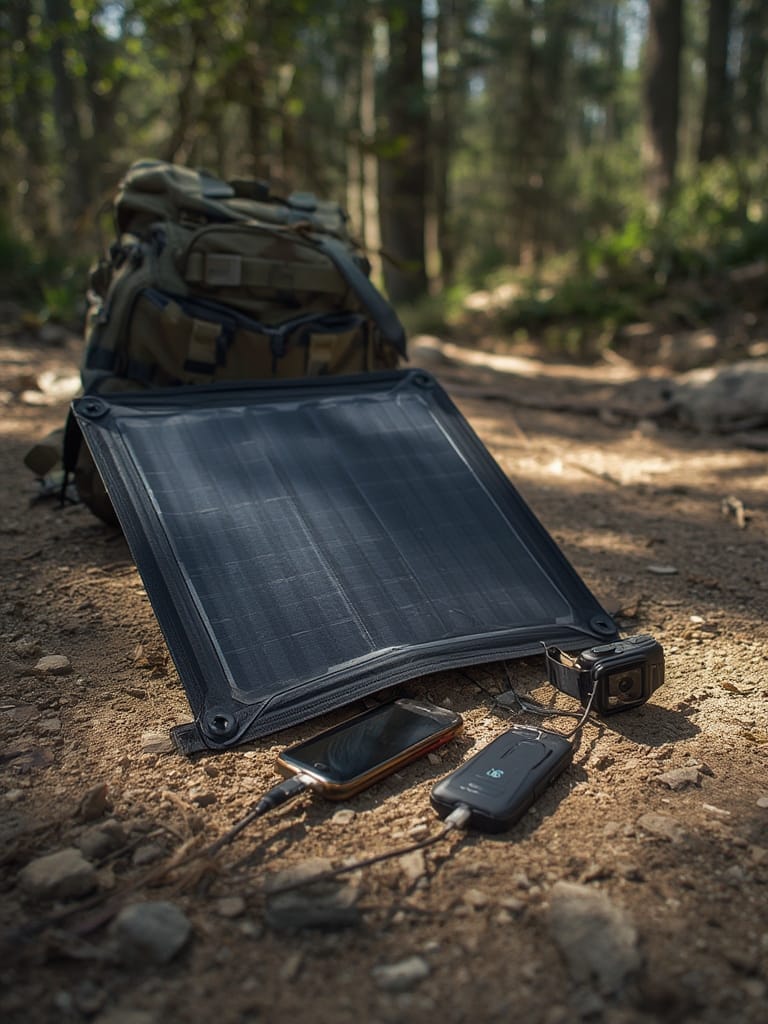
- Set Up for Maximum Sun Capture:Always orient your panel as perpendicular to the sun as possible. Adjust every 1–2 hours on the move. Pro hiking tip: Swap panel to a sun-facing backpack flap with clips for continuous trickle charging.
- Test Before You Hike:Test all connections at home—preferably in mixed weather—to confirm your charger delivers expected real-world wattage to your target device.
Looking to power a full camp, medical device, or multi-day off-grid adventure? Consider pairing your solar charger with a modern power station using LiFePO4 battery chemistry for top-tier runtime and recharging safety.
If integrating your charger into a smart camp, there are other technologies trending for outdoor use, like soil sensors and even wifi aquarium monitors for basecamps—see our detailed guides if you want to automate your campsite or remote environments!
Advanced Analysis & Common Pitfalls
The most up-to-date statistics sound impressive, but the reality for portable solar chargers is nuanced. Here’s where most buyers (and even some experts) get blindsided:
- Real-World Output Drops Sharply in Shade & Clouds:Panels with a claimed 22–25% efficiency might only deliver 75W from a 100W panel in real hiking scenarios (source). Two days of clouds? Cut expectations by half.
- Charging is Slow—Plan Around It:Even top models with USB-C rarely break 18–25W in practice—often 2–6 times slower than wall charging. If you need to top up a device fast, bring a backup battery.
- Foldable vs. Rigid Panels:
Feature Foldable Solar Charger Standard Portable Panel Weight 0.8–2 lbs (lightest models) 2–7 lbs Packability Folds to book/tablet size Rigid, usually flat & bulky Setup Time 1–2 minutes Up to 5 minutes Device Compatibility Universal USB-C/USB, supports phones and battery banks Same, but MC4 for specialty gear - Certification Confusion:Look for marketing terms—and verify—like SGS 5-Star Safety and LFP batteries for fire resistance and charging stability (reference). Many “weatherproof” claims lack a real IPX rating.
- Device Runtime Predictions:Real-world results are lower than stated. For example, a 100W panel operating at 75W for 4 hours per day yields roughly 300Wh—enough for 16–43 hours of phone charging (depending on actual draw). Full-camp setups—especially sensitive devices like CPAPs—may need a dedicated solar generator.
- Price vs. Performance:Expect to spend $30–$90 for ultralight single-device chargers up to $649+ for premium two-sided, high-output panels (pricing breakdown). Traditional battery banks cost less but cannot self-recharge.

It’s also worth noting top online guides rarely detail exactly how to match a panel’s true Wh output to your mix of devices. Use online estimators, like those from Jackery, or see our running watch and Wearable Tech Device Guides for device-specific advice.
For hikers planning trips over multiple days, output shortfall is routine, not rare. You’ll get more from your system by repositioning panels, supplementing with traditional power banks, and prioritizing must-have recharges (e.g., navigation vs. luxury devices).
Conclusion
Choosing the right solar charger for hiking or camping isn’t just about picking the highest wattage or lowest weight. It’s about understanding how solar charger output actually matches your real device needs in changing conditions, and being realistic about what portable panels can — and can’t — deliver on the trail.
Ready to shop smarter? Compare popular panels, read the latest test data, and use our other guides to complement your solar setup — or explore options such as running watches with extra-long battery or solar generators for basecamp reliability. Plan for the power you truly need and enjoy your time off-grid.
Take action: Review your trip’s device list, explore foldable models with real safety certifications, and always test your chosen solar charger at home before you hit the trail!
FAQ
How much electricity can a portable solar charger realistically provide on a multiday hike?
In full sun, a 100W panel will average about 75W for several hours, yielding 300Wh per day. Cloud, shade, or poor orientation can cut output by 30–60%, so plan conservatively and always supplement with a pre-charged power bank for emergencies.
Do foldable solar panels really outperform rigid ones for backpacking?
Yes, foldable solar panels are far lighter and packable, making them the default choice for hiking. They set up in seconds, fit easily in or on a backpack, and offer similar USB-C compatibility for direct charging.
What safety features or certifications should I look for in a solar charger for outdoor use?
Seek out SGS 5-Star Safety certification, LFP battery cells, and —where available—at least basic weatherproofing or ingress protection (IPX). Check for independent test data where possible, as many “weatherproof” claims are not standardized.
Are solar chargers worth it compared to regular power banks for hiking?
Solar chargers offer true self-sufficiency when away from outlets for several days, but they charge slowly and are best paired with a reliable battery bank. They cost more upfront, but save weight on long trips by letting you extend total runtime.
Can I use a solar charger to power a CPAP, laptop, or other high-draw devices while camping?
For high-draw electronics, most hikers will need a dedicated solar generator (power station) setup, not a basic backpacking panel. Check exact device wattage, and match with a system specifically rated for those loads.