

Smart Insole technology is changing how recreational runners track performance, prevent injuries, and analyze gait at home—without a trip to the lab or coach.
Key Takeaways
- 2024 clinical research confirms smart insoles can reduce runner injury incidence by nearly 47% via real-time feedback.
- Critical pain points like subscription costs, long-term usability, and privacy are rarely disclosed by brands or covered in reviews.
- Day-to-day user experience depends on metrics accuracy, battery life, and practical app integration, rivaling traditional gait labs.
- What is a Smart Insole, and Why Now?
- How to Use a Smart Insole: Step-by-Step Instructions
- Advanced Analysis & Common Pitfalls
- Conclusion
- FAQs
What is a Smart Insole, and Why Now?
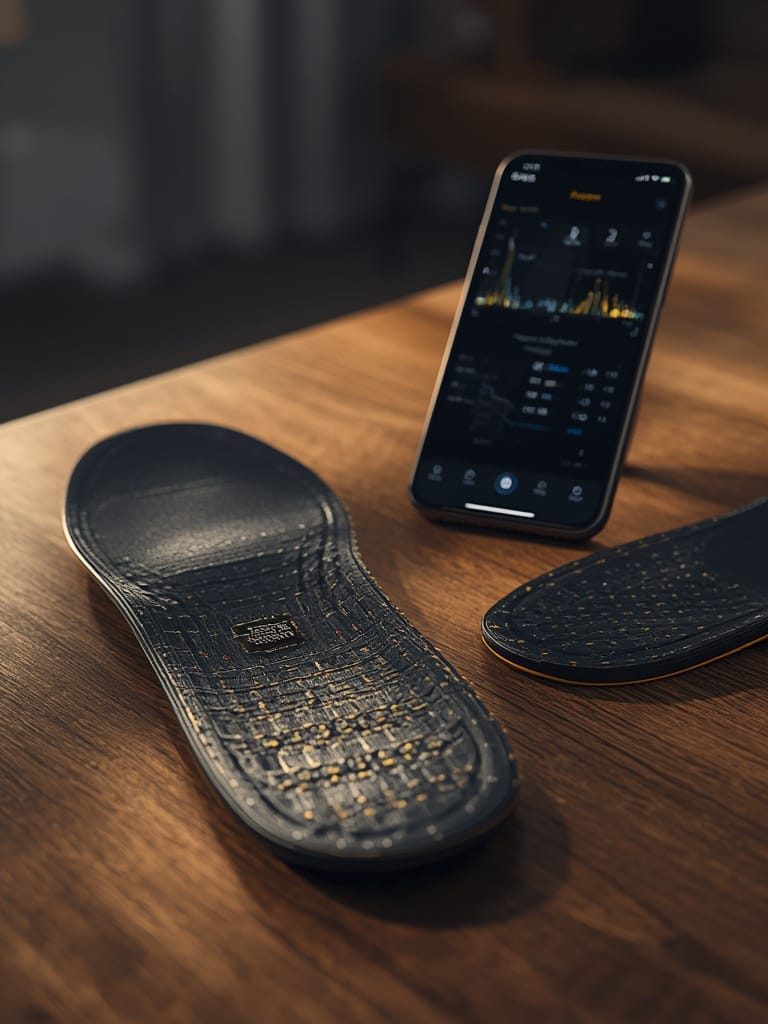
Smart insoles are wearable tech designed to slide into your regular training shoes. They use pressure sensors, accelerometers, and wireless connectivity to track movement, foot strike, weight distribution, and related gait metrics. These readings are sent in real time to a smartphone app—giving runners live feedback on their technique, stride frequency, and injury risk, instead of retroactive advice from a coach.

Why now? Remote gait analysis tech is maturing fast. A landmark 2024 randomized controlled trial showed runners using pressure-sensitive insoles with real-time feedback had 47% fewer injuries compared to a control group (source). AI-powered sensors now approach sub-5% error rates for force prediction, rivaling lab equipment (more details).
While there are dozens of running watches and general-purpose wearables, smart insoles target the critical contact point—your feet—monitoring what no GPS can: ground impact, symmetry, and loading patterns. With leading brands like Nike and Adidas moving into this space and insole reliability matching that of clinical gait labs (peer-reviewed study), home use is surging.
As smart insole adoption grows, expect more integration with Matter compatible devices for home automation, and real-time data sync with your sync with your running watch or even your running watch.
How to Use a Smart Insole: Step-by-Step Instructions
- Choose Wisely: Research product battery life (aim for 5-6 hours/session), app compatibility, and sensor accuracy, which in 2025 top out at 4% error for force mapping (details). Prioritize real-time feedback features if injury prevention is your goal.
- Unbox & Charge: Fully charge your smart insoles with the included dock or USB cable. Proper initial charging extends battery health for the repeated sessions expected in marathon training blocks.
- Fit & Align: Place the insoles flat in neutral, supportive shoes, ensuring sensors align under the heel/toe as specified in the product manual. Fit affects data quality.
- Sync with App: Download and pair the vendor’s app via Bluetooth. Grant the necessary permissions for sensor data, notifications, and sync. Some insoles offer integration with posture correctors or blood pressure monitors for full health tracking.
- Calibrate: Stand still and follow prompts to calibrate baseline pressure and ensuring that each foot is registering as intended before moving.
- Start Workout: Begin a recorded run/walk. Real-time feedback will highlight step frequency, heel strike, asymmetries, or overload via app visualizations or voice cues.
- Analyze Post-Run: Review gait analysis, injury risk alerts, and suggestions for stride adjustments. For high mileage runners, export data to share with your coach or sync with third-party analytics platforms when possible.
- Proper Maintenance: Remove and air-dry insoles after each use. Gently clean sensors with a damp cloth. Avoid washing in water or using abrasive cleaners.
- Monitor Battery/Life Span: Recharge as needed. Note that insole batteries are typically not replaceable—expect a lifecycle of about 1-2 years with regular use.
Combine your data with environmental analytics using a home pool monitor or radon detector for holistic wellness. Avoid using third-party apps that don’t comply with your brand’s privacy standards.
Advanced Analysis & Common Pitfalls
Despite the potential, smart insoles come with real-world issues runners should expect. Usability studies in 2024 find that while injury reduction is real (RCT evidence), long-term adherence is mixed. Some runners in trials stopped using the feedback due to notification fatigue or battery management hassles.
Brands rarely publicize subscription fees for analytics apps, and market reports do not break down average or high-end costs. Pricing is opaque—unlike the power station market—with 2025 global smart insole revenue projected at USD 650 million but no transparent consumer rate (source). Expect pilot pricing in the $200-400 range, with some brands charging extra for advanced gait analytics after a trial period.
Another overlooked issue is data privacy. Most leading brands (Nike, Adidas/Moticon) do not state data retention or sharing practices for biometric gait data as of 2024 (source). This stands out when compared to other health tech like biometric locks, which increasingly publish security and privacy documentation.
| Feature / Pitfall | Current Best Practice | Common Issues (2024-2025) |
|---|---|---|
| Injury Prediction Accuracy | Up to 4.16% error with AI models | Older/mid-range insoles may exceed 8-20% error (study) |
| Battery Life | 5-6 hours/session | For ultrarunners, can require charging mid-use. Not replaceable. |
| App Integration | Direct integration with phone, some with third-party analytics | Occasional device pairing issues, recurring sync bugs in new firmware |
| Subscription Transparency | Some brands offer upfront “lifetime” access | Majority do not publish subscription models or renewal fees |
| Data Privacy | Clinical settings have strict policies | Consumer-side privacy and sharing policies largely unaddressed in public reports |
| User Complaints | RCT notes adherence issues with feedback feature toggling | No major pain points reported, but long-term motivation is unclear |
| Clinical Outcomes | Documented injury risk reduction (HR 0.53) | No significant improvement for running speed, pronation correction, or long-term PBs |
Smart insoles are also trending as a “quiet automation” for health, blending with other unobtrusive home tech devices. But, in daily use, expect the occasional false alert and be prepared to tweak app settings for your running style.

Conclusion
Research supports it—using a smart insole can cut your running injury risk significantly, and the best systems now match the accuracy of lab equipment for most home runners. However, gaps remain in transparent cost structure, long-term user support, and data privacy. For the data-driven athlete or those recovering from past injuries, integrating a smart insole with your health ecosystem could be the most impactful upgrade, as long as you’re mindful about data security and ongoing costs.
Ready to experience the benefits firsthand? Compare features, review privacy options, and try a smart insole for your next workout.
FAQs
How much does a premium smart insole cost in 2024?
Exact pricing data is missing from market reports, but pilot-class smart insoles with AI-powered gait analysis typically start around $200-400, with some brands adding subscription fees for advanced analytics. Be sure to check directly before purchase.
Do smart insoles really reduce injury rates for runners?
Yes, a 2024 clinical trial found that runners using real-time feedback from pressure-sensitive insoles had a 47% lower injury rate during the study compared to those using standard insoles.
Are there recurring subscription fees for app analytics?
Some vendors require a recurring subscription to unlock advanced gait analytics or long-term injury prediction. However, few brands publish their fees upfront.
Is my data safe with smart insole devices?
Privacy policies for biometric and gait data are not clearly disclosed by most major brands as of 2024. Use caution when syncing or sharing data outside the official app ecosystem.
Can smart insoles be used for walking and daily activity tracking?
Most smart insoles can track walking, daily standing time, and even office posture, but their injury prediction features are only validated for running so far.