

Recovery Ring technology is transforming how people track sleep, stress, and overall wellness in a discreet way that blends into daily life. If you’re tired of bulky wearables, or you want pulse-level data without sacrificing style or comfort, smart recovery rings stand out as the future of health tracking.
Key Takeaways
- The global recovery ring market reached over $1.13 billion in 2024 with strong growth expected through 2030.
- There is a lack of transparent comparison data between recovery rings and top alternatives on specs, cost, and privacy, which buyers must navigate carefully.
- For commercial buyers, overlooked topics include FDA-integrated workflows, subscription analytics, and telehealth bundling.
- What is a Recovery Ring and Why Choose One?
- How To Get Started with a Recovery Ring: A Step-by-Step Guide
- Advanced Analysis & Common Pitfalls of Using Recovery Rings
- Conclusion
- FAQ
What is a Recovery Ring and Why Choose One?
A recovery ring is a smart wearable device, typically worn on your finger, that tracks physiological metrics such as sleep, heart rate variability, activity, and stress. Unlike bulkier smartwatches or bands, recovery rings are designed with a low profile and can be worn discreetly, making them ideal for users who value subtlety or have sensory sensitivities.
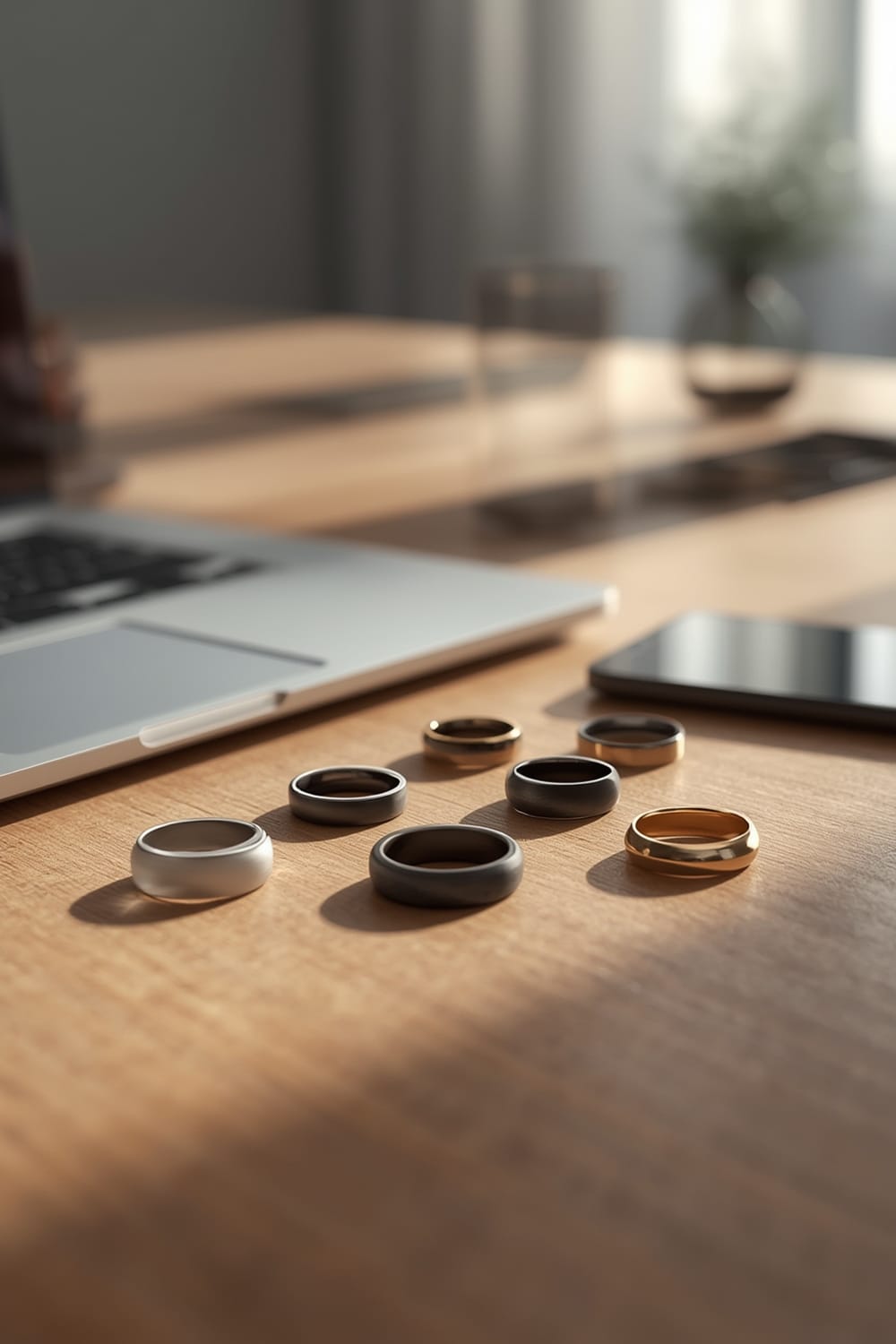
Market data projects fast growth: the recovery ring segment reached over $1.13 billion in 2024, with the broader smart ring category seeing impressive CAGRs, especially in North America. Discreet wearability and advances like AFib detection and FDA-clearance for clinical use are propelling adoption.
Recovery rings integrate sensors for continuous, passive monitoring—often without a screen. This appeals to users looking to avoid tech overload or who want to track their wellness more privately throughout the day and night.
Commercial use is also expanding as organizations seek solutions for remote monitoring, employee wellness, and telehealth, often leveraging rings that integrate with platforms supporting agentic AI or post-operative care bundles, similar to the predictive home automation enabled by agentic systems.
How To Get Started with a Recovery Ring: A Step-by-Step Guide
Whether you’re an individual buyer or making a decision for your company, recovery rings require careful selection and setup. Here’s how to do it:
-
Define Your Use Case:
– Are you tracking sleep quality, recovery after training, or monitoring chronic health issues?
– Determine if you need features like SpO2, skin temperature, or heart rate variability (HRV). -
Research Options and Pricing:
– Compare major brands (Oura, Ultrahuman, Movano) for sensor types, battery life, and platform integration.
– Evaluate total costs. Many top models, such as Oura, require ongoing subscriptions for advanced analytics, whereas others may not.
– Look for bulk pricing or reimbursement eligibility if buying for a team or clinical use. -
Check Compatibility:
– Ensure the ring works with your phone (iOS/Android) and third-party health services.
– If you run a smart home, you may want rings that sync with Matter compatible devices or support inter-device data sharing. -
Sizing and Comfort:
– Recovery rings come in multiple sizes. Use supplied sizing kits (usually sent by manufacturers) to get the right fit for 24/7 comfort. -
Activate and Personalize:
– Set up the ring via the companion app, enable all relevant data permissions, and personalize notification levels.
– Consider linking recovery analytics with your existing sleep environment automation or connecting with a WiFi aquarium monitor for context-aware wellness routines. -
Monitor Insights and Adjust:
– Use the ring for at least two weeks to establish a personal baseline.
– Regularly review the app’s insights and adjust your wellness or training plan accordingly.
– For extended health insights, integrate ring data with telemedicine providers or share with clinicians via secure sharing features.

If you want to go further, experiment with integrations—such as combining sleep stage alarms with desk posture reminders or ambient smart home triggers, for highly personalized health automation.
Advanced Analysis & Common Pitfalls of Using Recovery Rings
Despite their potential, recovery rings aren’t a cure-all. They do come with genuine drawbacks and some unanswered questions—especially as a market with new and evolving standards.
- Lack of Transparent Specs: Finding clear, up-to-date information on comparative battery life, sensor accuracy, and long-term durability is still an issue. Most brands don’t release raw validation data, and third-party reviews are sparse.
- Hidden Costs: Many rings, most notably Oura, charge monthly or annual fees for “premium” insights. Others may offer data for free but lack the same depth or support. Always consider recurring fees in cost analysis.
- Privacy Uncertainties: There’s limited clarity on how user data is stored or anonymized, and many rings require sharing sensitive biodata with cloud servers. If privacy is a priority, carefully read privacy policies—and look for devices offering robust local storage or explicit data deletion controls.
- Commercial Blind Spots: For bulk buyers, most review sites overlook topics like integration with clinical workflows, support for reimbursable activities, or bandwidth for AI-driven analytics.
- No Clinical Consensus: FDA-cleared rings exist (e.g., for pulse oximetry or arrhythmia detection), but as of mid-2024 there are limited peer-reviewed studies validating claims for sleep, recovery, or stress metrics specifically.
| Feature | Oura Ring | Alternatives (e.g. Ultrahuman, Movano) | Subscription-Free Smart Rings |
|---|---|---|---|
| Upfront Cost ($) | 300-500 | 200-400 | 100-250 |
| Subscription Fee | Yes ($6/month) | Varies; some yes, some no | No |
| Sensors | HR, SpO2, Temp, Movement | Similar, some with FDA-cleared features | Basic HR, Activity |
| Clinical Validation | Limited published evidence | Increasing (FDA-clearances emerging) | Rarely |
| Privacy Controls | Cloud-based | Varies | Often basic; read policies |
Industries like telemedicine and post-surgery care are rapidly adopting these rings but must watch for gaps between FDA-cleared marketed features and the reimbursement workflows now emerging in North America, as outlined in this market report.

Conclusion
Recovery rings are poised to reshape daily wellness and commercial health monitoring given their discreet form factor and emerging clinical integrations. However, as of 2024, buyers need to evaluate device transparency on data, cost of ownership, and integration potential before investing. With market momentum accelerating, it’s crucial for both individuals and organizations to choose the right Recovery Ring based on credible features, privacy stance, and future support. Start your journey by reviewing the latest on device integrations, or explore our take on physical privacy shutter tech if privacy is a key concern. Ready to track your wellness smarter? Make the switch to a recovery ring today.
FAQ
What metrics can a recovery ring track?
Most recovery rings monitor heart rate, sleep patterns, blood oxygen saturation, skin temperature, and movement/activity. Premium models may add stress or recovery scores, SpO2, and atrial fibrillation detection if FDA-cleared.
Is a recovery ring more accurate than a fitness band?
Accuracy depends on sensor placement and quality. Rings provide continuous skin contact, aiding heart rate or temperature accuracy, but peer-reviewed studies directly comparing accuracy are limited so far.
Do I need a monthly subscription for a recovery ring?
Some models like Oura require paid subscriptions for advanced features. Others, especially newer alternatives, offer basic metrics without ongoing fees. Check device details before buying.
How is my health data secured on a recovery ring?
Data security varies. Most rings use cloud-based storage and encrypt data, but specifics can differ. Always review privacy statements for details on where your data goes and deletion controls.
Can recovery rings integrate with my smart home?
Some advanced rings offer API access and can sync with smart home ecosystems, especially those using Matter protocol. Explore device integration options before purchase.