

Quiet Automation is reshaping how we live at home by blending smart tech into our routines without fanfare, noise, or hassle. It’s the modern answer for anyone who wants “invisible convenience”—ambient intelligence that gets the job done in the background, letting you focus on living, not managing gadgets.
Key Takeaways
- Quiet Automation means smart devices that work silently and unobtrusively, making homes more convenient and less distracting.
- Planning your smart home for quiet automation requires understanding device compatibility, privacy, and keeping automation invisible but effective.
- Common pitfalls include hidden costs, interoperability problems, and privacy concerns—always research before you buy.
The Core Concept
Quiet automation is a philosophy and practical implementation of smart home technology that prioritizes invisible assistance and minimal intrusion. Unlike flashy or noisy gadgets, these solutions focus on blending into daily life. Imagine a thermostat that adjusts itself based on learned habits, lights that gently adapt to your mood, garage doors that open automatically as you arrive, or sensors that simply know when you’re home—all without you lifting a finger or hearing a beep.
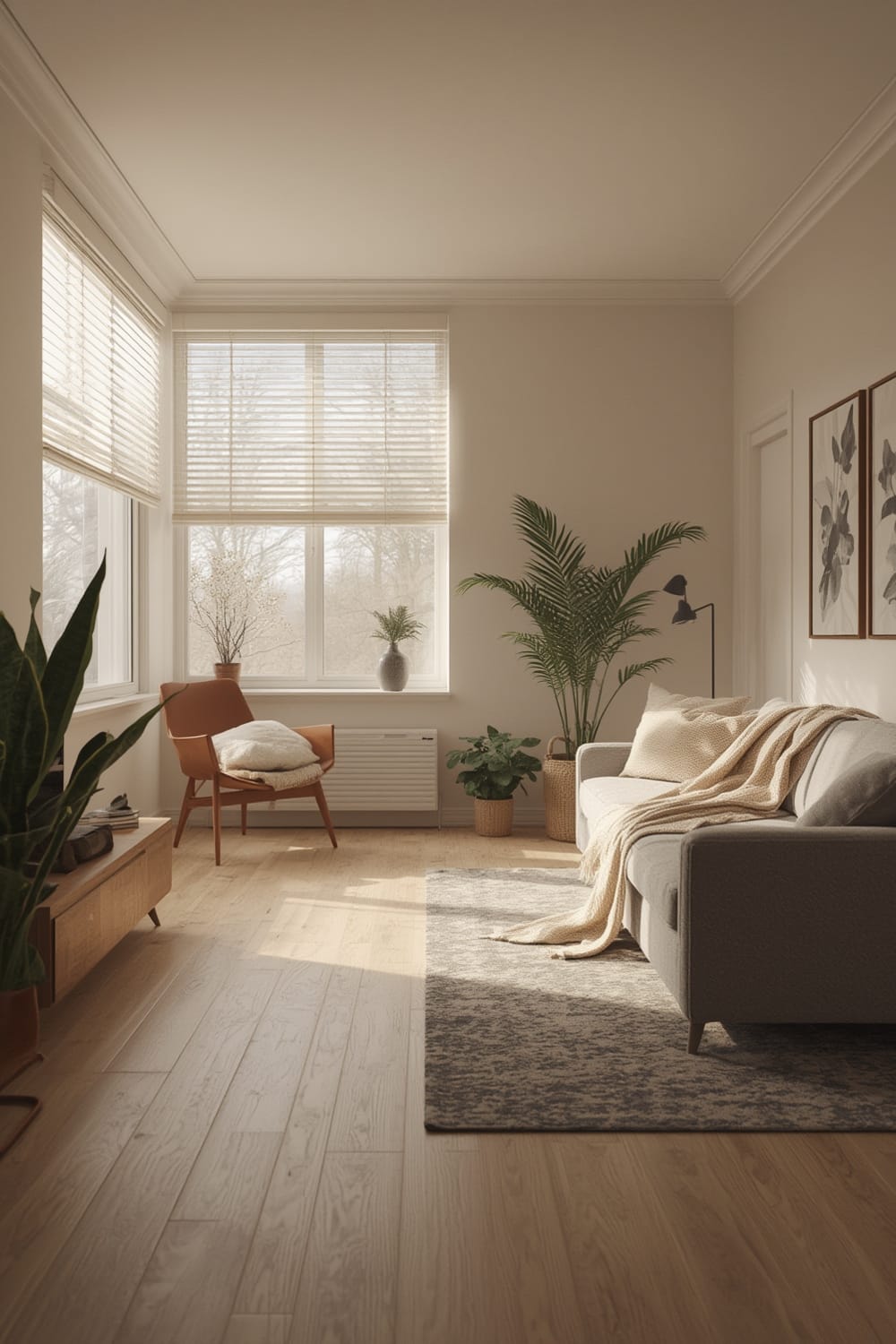
This trend has accelerated with the rise of Matter compatible devices, which aim to unify fragmented smart home ecosystems, making background automation far more feasible. People now want technology that “just works”—without reminders that it’s there, without privacy worries, and without extra noise added to their lives.
Why does it matter? Most smart home buyers are not looking for something that makes them feel like they’re in a sci-fi movie. The average user prefers technology that fades into the background. The less they notice, the better it works.
Quiet automation also points to a larger movement in consumer tech: designing for invisible convenience. Whether you’re seeking better security, more comfort, or seamless routines, silent and unobtrusive smart devices are now the standard to beat.
Step-by-Step Guide
Here’s a practical guide to implementing quiet automation in your home—minus the overwhelm.
- Choose a Common Standard: When shopping for devices, look for ones that support Matter protocol or integrate reliably with your preferred platform (Apple Home, Amazon Alexa, or Google Home). This saves you headaches later.
- Target “Set-and-Forget” Categories: Focus first on lights, thermostats, occupancy sensors, smart locks, and pet care. These device types lend themselves to silent routines and almost zero user intervention. For example, a biometric lock unlocks as you approach the door, or an anxiety vest quietly comforts your dog when you’re not home.
- Enable Automation, Not Just Control: Use routines and triggers instead of manual controls. For example, garage controller lets your garage door open as you pull in—no need for apps or key fobs.
- Experiment and Fine-Tune: Run automation in “test mode” during your non-peak times or when home alone. Tweak triggers to reduce accidental activations. Privacy shutters or physical camera covers ensure no accidental surveillance.
- Always Review Privacy and Data Sync: Opt for brands that are transparent about privacy practices. Seek features like mechanical privacy shutters, offline modes, or minimal data sharing. For instance, a wifi blood pressure cuff should sync data to your phone—never to the manufacturer’s cloud by default.
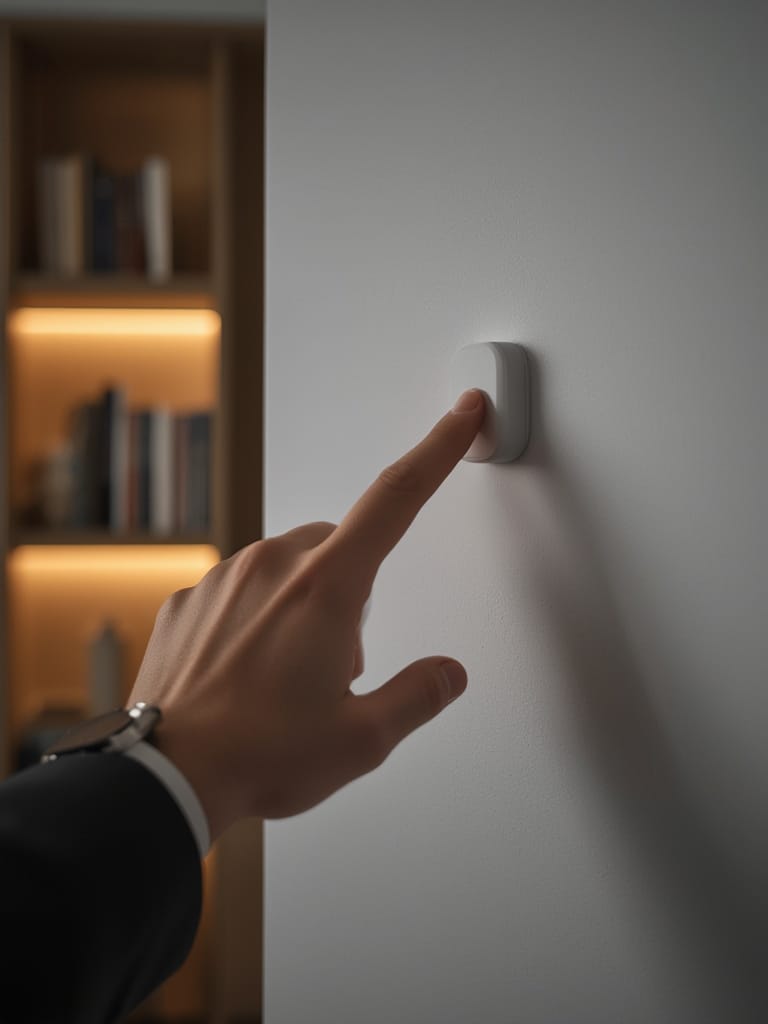
- Maintain and Update: Set reminders every few months to update firmware. Silent automation only works if your devices stay secure and compatible over time.
- Budget for Entry and Upgrades: Entry-level quiet automation can start at $40–$150 per device. Advanced features (like mmWave presence sensors) can be $60–$200. Factor in minor installation costs, especially for hard-wired components or privacy upgrades.
- Layer Protection: Consider mechanical privacy shutters for indoor cameras and schedule device “off” windows. Compound with routers or hubs that can block “always on” listening during sleep or downtime.
By proceeding step by step—and starting with low-cost, high-impact devices—you build a home that quietly caters to your routines, not the other way around.
Advanced Analysis & Common Pitfalls
Going all-in on quiet automation is tempting, but there are trade-offs and hidden issues. Here’s what users, reviewers, and technologists flag as common pitfalls—and what you can do.
| Area | Potential Problem | How to Prevent |
|---|---|---|
| Interoperability | Devices from different brands often struggle to “talk.” Scenes may not activate, sensors miss triggers. | Standardize on Matter protocol or buy devices pre-tested together. |
| Privacy & Security | Background devices could listen/record without you knowing. User data leaks via cloud syncs. | Choose devices with mechanical shutters and offline processing. Regularly check app permissions. |
| False Positives | Poorly tuned presence/occupancy detection may trigger lights or alarms unnecessarily. | Use mmWave or advanced presence sensors, calibrate sensitivity. |
| Cost Creep | “Smart” versions of simple gear are often much pricier, with update/maintenance costs baked in. | Start with one or two rooms/devices. Track ROI and satisfaction before scaling up. |
| Noise & Distraction | Some automation products are actually noisy (motors, alerts), defeating the “quiet” goal. | Check dbA ratings, check reviews, and always opt for silent motors and non-intrusive notifications. |
Pioneering brands are now tackling these problems head-on. For example, smart vests for dogs rely on silent haptic feedback. WiFi aquarium monitors avoid noisy alerts by pushing data to your phone, so no beeping. Security camera innovation now includes mandatory privacy hardware. The lesson: don’t just automate—research quiet, intentional automation that fits your comfort level.
Conclusion
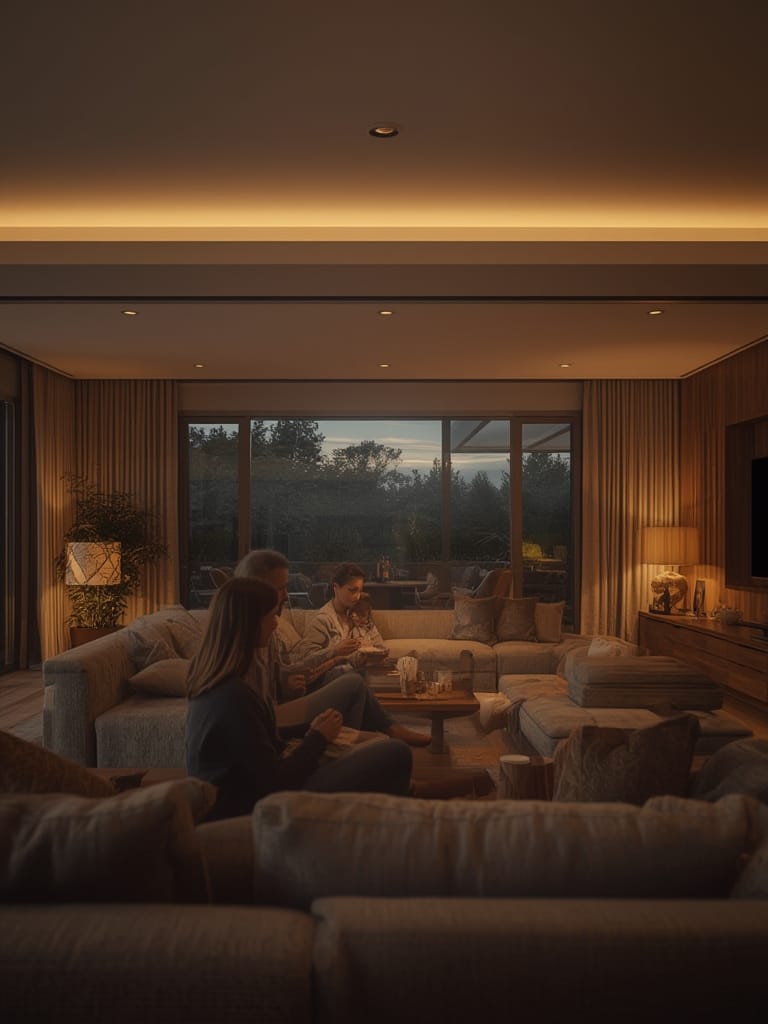
Quiet automation is here to stay, pushing smart homes toward invisibility, peace, and true convenience. The trend prioritizes devices that do their job, fade into the background, and respect your privacy. By choosing smart standards, focusing on non-intrusive automation, and knowing the pitfalls, you can enjoy a home that looks after you—silently. Ready to experience the genuine comfort of Quiet Automation? Start now—review your routines, select set-and-forget devices, and make your home smarter, not louder.
FAQ
What exactly counts as “quiet automation” in a smart home?
Quiet automation refers to smart devices and routines that operate with minimal noise and intrusion. It means tech that blends into daily life, like lights turning on softly when you enter, or a smart lock that unlocks silently as you approach—without requiring manual action or drawing attention to itself.
Do I need to buy all new devices to get started with quiet automation?
No. Many existing smart devices can be reconfigured for silent, background operations by tweaking routines and settings. However, for maximum effect, choose products compatible with standards like Matter or those with proven “set-and-forget” functionality built in.
Are there any risks to privacy with more background automation?
Yes. Some smart devices may collect or transmit data without your knowledge. Look for brands featuring mechanical privacy shutters for cameras, clear privacy policies, and local (not just cloud) automation features.
What are the hidden costs of quiet automation?
While entry-level automation devices may be affordable, scaling across your home can add up—especially for platform fees, hub upgrades, or advanced sensors. Factor installation costs and time into your planning. Start small to avoid surprise expenses.
How can I make automation less disruptive for pets or guests?
Use gentle lighting, avoid audible alerts, and test new routines while monitoring reactions. Products like the anxiety vest for dogs demonstrate how tech can blend into pet routines quietly. Always calibrate motion or presence sensors to avoid startling animals or visitors.