

Pet Dryer technology has transformed the home grooming routine for pet owners. Whether you have a dog that sheds all year or a cat who loathes being towel-dried, today’s smart pet dryers offer hands-free, low-stress solutions that fit modern lifestyles. In this guide, you’ll learn how these devices work, what sets them apart from old-school dryers, and what to expect—both good and bad—if you’re considering one for your home.
Key Takeaways
- Smart pet dryers provide faster, safer, and less stressful drying compared to traditional methods, making grooming more manageable for both pets and owners.
- The market for pet dryers and pet drying boxes is rapidly growing in the US and globally, driven by high pet ownership and demand for advanced, hands-free features.
- Buyers should weigh the upfront cost of smart pet dryer units against long-term savings over professional grooming services, while considering potential noise or safety issues.
- Understanding Smart Pet Dryers: What & Why
- How to Use a Pet Dryer at Home: Step-by-Step
- Advanced Analysis & Common Pitfalls
- Conclusion: Should You Buy a Pet Dryer?
- Frequently Asked Questions
Understanding Smart Pet Dryers: What & Why
Smart pet dryers, including the latest pet drying boxes and cabins, are engineered to replace time-consuming towel drying and noisy blow dryers. They use controlled warm airflow, hands-free operation, and built-in filtration to dry pets efficiently while reducing stress and skin issues caused by lingering moisture.
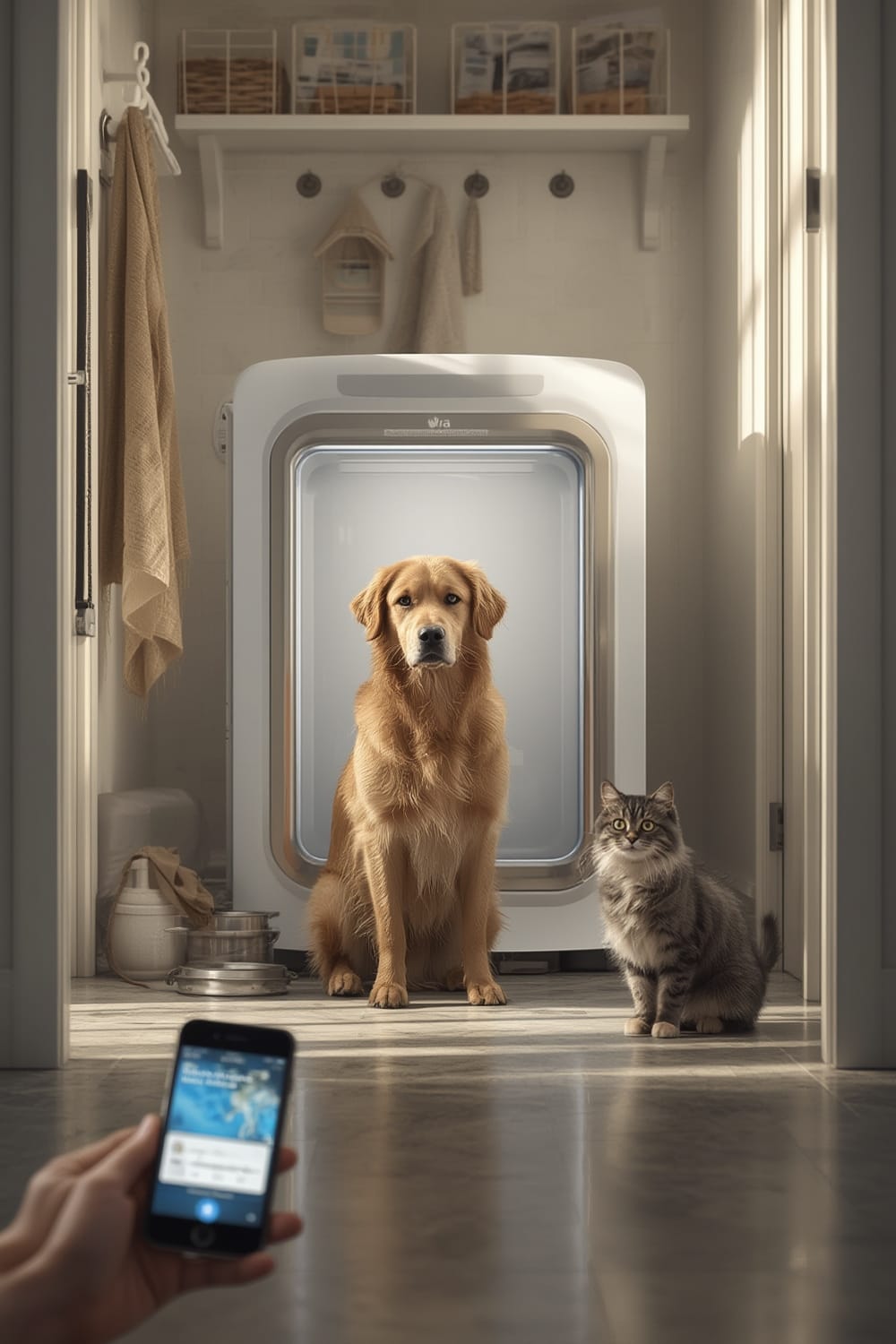
Advanced models go further: low-noise design, HEPA or high-grade filtration for allergens, programmable temperature, and even app connectivity. For multi-pet owners or anyone serious about home grooming, these features can be a game changer over manual drying or basic handheld dryers.
The US pet dryer and smart drying box market leads globally, thanks to over 65 million American households owning pets and a steady demand for owner-friendly grooming technology. Global market projections estimate the smart pet drying segment alone will reach USD 350 million by 2025, with North America dominating and Asia-Pacific surging as the fastest-growing region.
As many owners seek convenience and better outcomes for their pets, understanding these devices’ unique technology is key. If you’re comparing dryers, cabin boxes, or traditional towel drying, knowing how each stacks up saves both stress and money.
How to Use a Pet Dryer at Home: Step-by-Step
- Choose the Right Model: Assess your pet’s size, breed, and temperament. Quiet cabin dryers are best for nervous cats, while smart pet dryer boxes suit medium to large dogs.
- Prepare Your Pet: After a bath, towel off excess water. Gently brush through fur to remove tangles—essential for even drying and less stress in the box or cabin.
- Set Up the Dryer: Place the pet dryer on a stable, flat surface. Check the interior for cleanliness and install a HEPA filter if equipped.
- Adjust Temperature & Airflow: Select a comfortable temperature for your pet’s coat type using adjustable controls. Cats and small dogs often prefer lower settings.
- Begin Drying Session: Place your pet inside the dryer, ensuring they’re calm. Many smart boxes have hands-free doors and latching systems for added safety.
- Monitor & Interact: Use the device’s pet camera, viewing window, or built-in camera if available. Offer treats or soothing words for a positive association.
- Complete the Cycle: When drying ends, remove your pet gently and reward them for patience. Clean the dryer interior and filters as recommended.
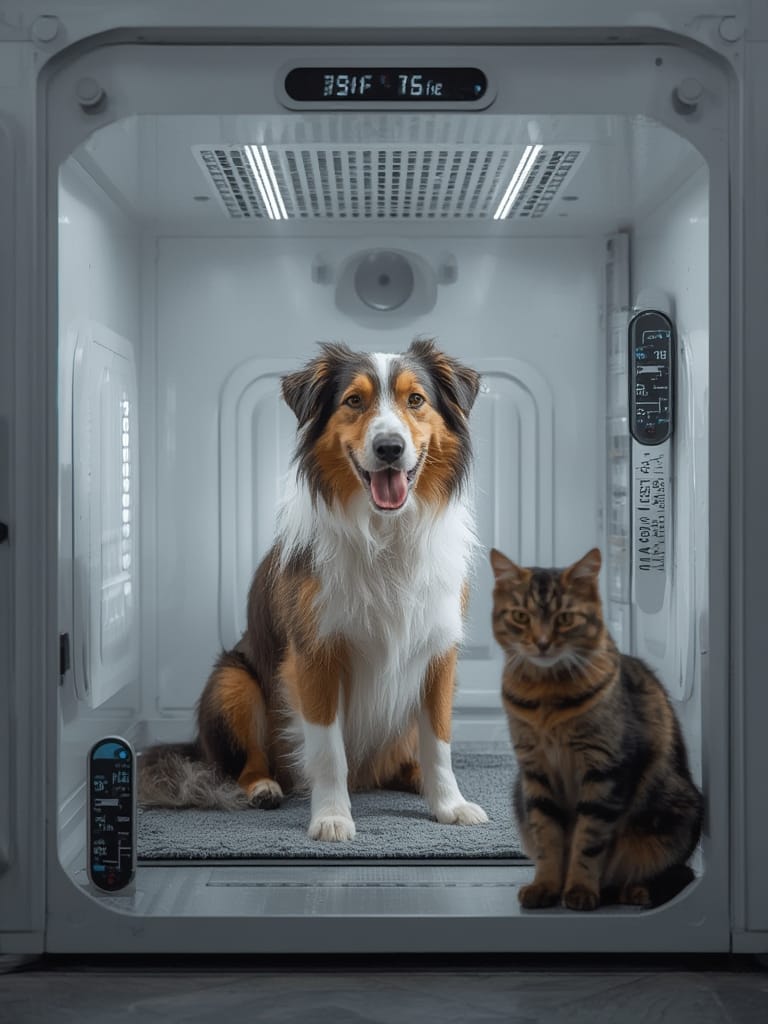
For added convenience, some owners set up their dryers in laundry rooms or quiet corners. Avoid running the unit on high during your pet’s first few sessions. Monitor for signs of stress and always supervise the process—no automated device is fully “set and forget.”
If you rely on tech-powered pet care, you might also consider a pet camera to check on your animal remotely, or pair the dryer with an air fryer with app control for hands-free multitasking during busy weekends.
For dogs with separation anxiety, a smart anxiety vest can help reduce stress before and after drying sessions. And if you need to quickly remove debris before drying, a dog shedding vacuum with built-in quiet controls pairs perfectly with a dryer to minimize mess.
Advanced Analysis & Common Pitfalls
While pet dryers offer solution-driven features, they’re not without realistic drawbacks. Here’s what the market data and user feedback reveal:
- Upfront Cost: Smart pet dryers with cabin or box design can be expensive, especially for advanced models. According to industry research, high initial cost is a barrier for many North American buyers.
- Unverified Claims: Many brands promise low decibel (quiet) operation and hypoallergenic drying, but no independent studies confirm these claims. Noise sensitivity remains a concern for some breeds or anxious animals.
- Lack of Independent Testing: There is little to no independent or scientific testing on safety, efficiency, or stress impact for pets using these devices. Always supervise sessions and follow brand safety guidelines.
- Unknown Risks: There are no published studies or verified reports on potential health concerns, especially for specific breeds, pets with anxiety, or those with respiratory issues.
| Drying Method | Initial Cost | Hands-Free | Noise Level | Efficiency/Time | Main Pitfalls |
|---|---|---|---|---|---|
| Smart Pet Dryer Box | High | Yes | Usually Low (But Varies) | Fast | Upfront cost; unverified safety/noise data |
| Traditional Handheld Pet Dryer | Low-Med | No | Often Loud | Moderate | Arm fatigue; pet stress from noise |
| Towel Drying | Lowest | No | Silent | Slowest; Incomplete | Incomplete drying; mildew risk |
If your household is already tuned into smart home technology, compatibility may be important. While “Matter Protocol” is now making news for smart home unification—find a Matter compatible devices list if that’s your priority—most dedicated pet dryers haven’t adopted Matter or smart standards yet. This may limit integration with advanced setups or predictive automation driven by agentic AI routines.
If allergies or pet sensitivities are a concern, you may also want to learn about devices like air purifiers with automatic PM2.5 monitoring. Discover more about purifiers for allergies and pets to ensure you maximize the comfort and health of both your animal and your home.
Conclusion: Should You Buy a Pet Dryer?
Smart pet dryers and cabin drying boxes deliver unmatched convenience for busy owners, drastically reducing the time and hassle of keeping pets comfortable after baths. However, these devices require high initial investment, and real-world safety, efficiency, and pet response can vary by model and animal temperament. Always review the latest research and consider your pet’s needs before investing in a pet dryer.
Ready to modernize your grooming routine? Compare models carefully and consider how a smart pet dryer fits into your complete pet care toolkit.
Frequently Asked Questions
Are pet dryers safe for all breeds and sizes?
Most commercial pet dryers are safe for healthy cats and dogs, but there is little verified research for specific breeds or health conditions. Always start on the lowest heat, supervise sessions, and consult your vet if your pet has anxiety or respiratory issues.
How much do smart pet dryers cost compared to professional grooming?
Initial costs for high-end smart pet dryers can run several hundred dollars, which is often equivalent to a few months of professional grooming. Over time, home use may save money if you groom frequently, but budget for upfront expense.
Are smart pet dryers truly “quiet”?
Many brands advertise low-noise operation but do not publish verified decibel levels. Noise tolerance varies by pet and device, so always test in short sessions and monitor your animal’s response.
Can pet dryers replace towel drying completely?
A towel is still useful for removing excess water before using any dryer. Pet dryers offer more complete drying and skin comfort but work best as part of a two-step process after bathing.
Do smart pet dryers connect to home automation systems?
Some smart pet dryer models offer app control, but most do not yet support home automation standards like Matter. Integration options are currently limited compared to other smart home devices.
—