

### Blog Post:
GPS trackers offer better range devices are transforming how cat and pet owners keep tabs on their companions, offering real-time location, alerts, and search features that recover lost pets faster and more reliably than old-school methods. If you’ve ever worried about a cat slipping outdoors or wondered whether a Bluetooth tracker is enough, this actionable guide will clarify what works (and what doesn’t), plus highlight key pitfalls before you invest.
Key Takeaways
- GPS trackers offer better range and real-time alerts for roaming pets, but battery life and weight vary greatly.
- True “mini” trackers like Tabcat excel in comfort and battery lasting a year, but have limited range compared to GPS.
- Hidden costs like subscriptions and confusing waterproof claims often go unnoticed—read specs and user complaints before you buy.
- What Is a GPS Tracker for Pets and Why Use One?
- How to Choose and Use a GPS Tracker for Cats: Step-by-Step
- Advanced Analysis & Common Pitfalls With Cat GPS Trackers
- Conclusion & Next Steps
- Frequently Asked Questions
What Is a GPS Tracker for Pets and Why Use One?
A GPS tracker for pets is a small device that attaches to a collar and lets you monitor your cat or dog’s location using GPS and cellular networks. These trackers are a leap beyond Bluetooth or RF tags, offering real-time, wide-area tracking, safe zone alerts, and “last seen” mapping—all accessible from your phone.
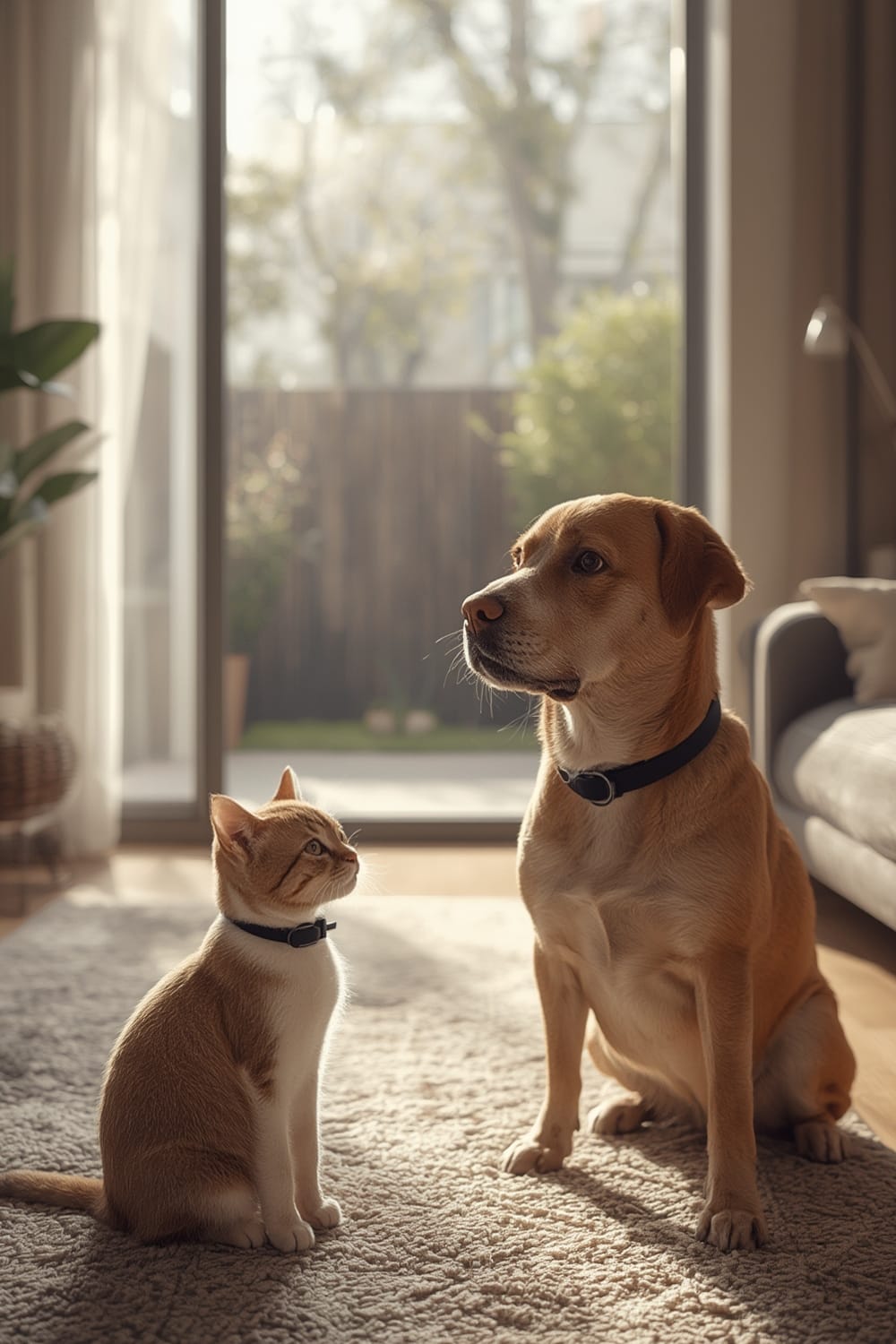
The main value is peace of mind: if your adventurous cat slips outside or your dog escapes the fenced yard, a GPS tracker helps you pinpoint their location in seconds instead of hours. Radio-frequency trackers like Tabcat tag (source) offer incredible accuracy for close-range, but GPS units like Tractive Cat LTE+ cover neighborhoods, woods, and urban blocks—ideal for truly outdoor pets.
Pet GPS trackers are also evolving fast. The global market is booming due to increased demand from cat owners needing smaller devices, with the market expected to grow from USD 135.5 million in 2024 to over USD 491.2 million by 2031 (source).
How to Choose and Use a GPS Tracker for Cats: Step-by-Step
1. Compare Core Technologies
Start by deciding between GPS, Bluetooth, and RF trackers:
- GPS trackers (like Tractive) give you real-time location anywhere with cell coverage, but are larger, cost more, and need frequent charging.
- RF trackers (like Tabcat) are ultra-light and battery lasts up to a year, but only work up to 500 feet (line of sight).
- Bluetooth trackers (such as Apple AirTag) are easy to use & low-cost, but have extremely limited range—mainly for indoors or very nearby searches (source).
2. Prioritize Comfort and Size
For small cats, the lightest devices matter most. The Tabcat tag weighs just 0.21 ounces (1.3″ diameter), while typical GPS trackers can weigh 4.8 oz or more, making them bulky for kittens or delicate necks (source).
3. Battery and Connectivity Reality Check
Watch out for brand claims about battery life. GPS trackers rarely exceed 3-7 days (and only at home on WiFi)—expect 1-2 days if your cat roams beyond your yard. Signal strength, cell coverage, and terrain also impact battery drainage and reliability significantly (source).
4. Examine Subscription & Total Cost
GPS trackers nearly always require monthly service fees to access live location—typically $4.17-$10/month. RF trackers (Tabcat, Loc8tor) have no ongoing costs besides the initial device price of $99.99 for two years. Double-check this for every model to avoid surprises at checkout (source).
5. Check Waterproof Claims (and Fine Print)
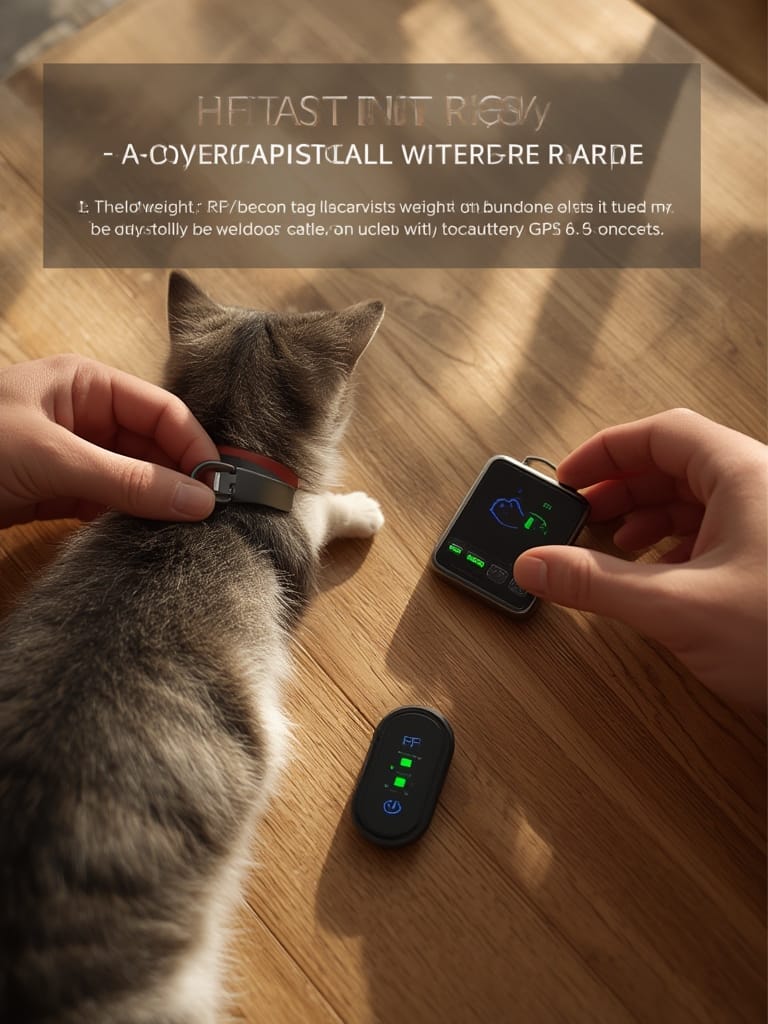
Most devices claim to be waterproof, but many omit IP ratings. The Tabcat tag is tested to survive 3 feet for 30 minutes, but most GPS models only guarantee “splashproof” at best. If your area is rainy or your cat is adventurous, push for clear IP67/IP68 standards.
6. Internal-Only: Smart Home Integrations
If you use advanced home tech, consider trackers that integrate with smart home dashboards or automation platforms. For true pet safety, combining GPS alerts with routines—like triggering your Matter compatible devices list or syncing to a smart air fryer with app control for home alerts—can provide added security and real-time coordination with other smart systems.
7. Where to Buy and Next Steps
Purchase directly from verified brand websites to avoid legacy models or “clone” trackers with outdated networks. Double check if the subscription is active in your country (especially outside the US/EU).
Advanced Analysis & Common Pitfalls With Cat GPS Trackers
Even the highest-rated GPS tracker can disappoint if you don’t anticipate the real-world snags. Here’s a realistic breakdown of the issues and the measurable difference between tracker types.
Comparison: GPS Tracker vs. RF Tracker vs. Bluetooth Tag
| Feature | Dedicated GPS Tracker | RF Tracker (Tabcat) | Bluetooth Tag (AirTag) |
|---|---|---|---|
| Typical Range | Unlimited (cell coverage required) | Up to 500 feet, line of sight | Up to 300 feet (crowded/urban varies greatly) |
| Accuracy | Within 100 feet | Within 1 inch | Within 30-100 feet |
| Battery Life | 1-7 days (usage/location-dependent) | Up to 1 year | Up to 1 year |
| Cost | $69.88 plus $4.17-$10/month | $99.99, no subscription | $29, no subscription |
| Pet Comfort | Bulky for <7lb cats, risk of collar loss | Feather-light, works on small kittens | Small/light, but limited for actual outdoor escapes |
| Real-time Tracking | Yes, with map/safe zones | No, signals with beeper/light | No, one last-seen ping |
| Waterproof (Real Testing/IP Rating) | Rarely clear (some IP67, mostly vague) | 3 feet for 30 min, no IP grade | No official rating |
Common Pitfalls and Complaints
- Battery Drain: GPS units often need charging every 1-3 days if your cat leaves WiFi range. Many users have been disappointed by “up to 7 days” claims that only apply to cats never leaving the house (source).
- Connectivity Issues: GPS trackers depend on mobile networks. If your pet is underground, in a basement, or far from cell towers, even the best tracker cannot report its position. Worse, some models only work with select networks (like T-Mobile in the US) which can be problematic in rural areas.
- Attachment Failures: Many GPS trackers are not sized for kittens or light-boned cats, leading to complaints about uncomfortable fits or lost trackers from breakaway collars. Our guide on smart anxiety vest for dogs shows why fit and comfort are underrated in device design.
- Waterproofing Confusion: Most trackers market themselves as “waterproof” but rarely publish IP ratings or pass submersion tests. Mud, rain, sprinklers, or pond dives can damage trackers that lack true water protection.
- Subscription Confusion: Many buyers overlook that GPS-based models require monthly fees. RF and Bluetooth tags are subscription-free, but not suitable for every use-case.
- Lack of 2025-2026 Reliability Data: Even “best cat tracker” guides rarely address models lifespans or network reliability into 2025-2026. Avoid buying end-of-life hardware or models not guaranteed to receive future network support.
Conclusion & Next Steps
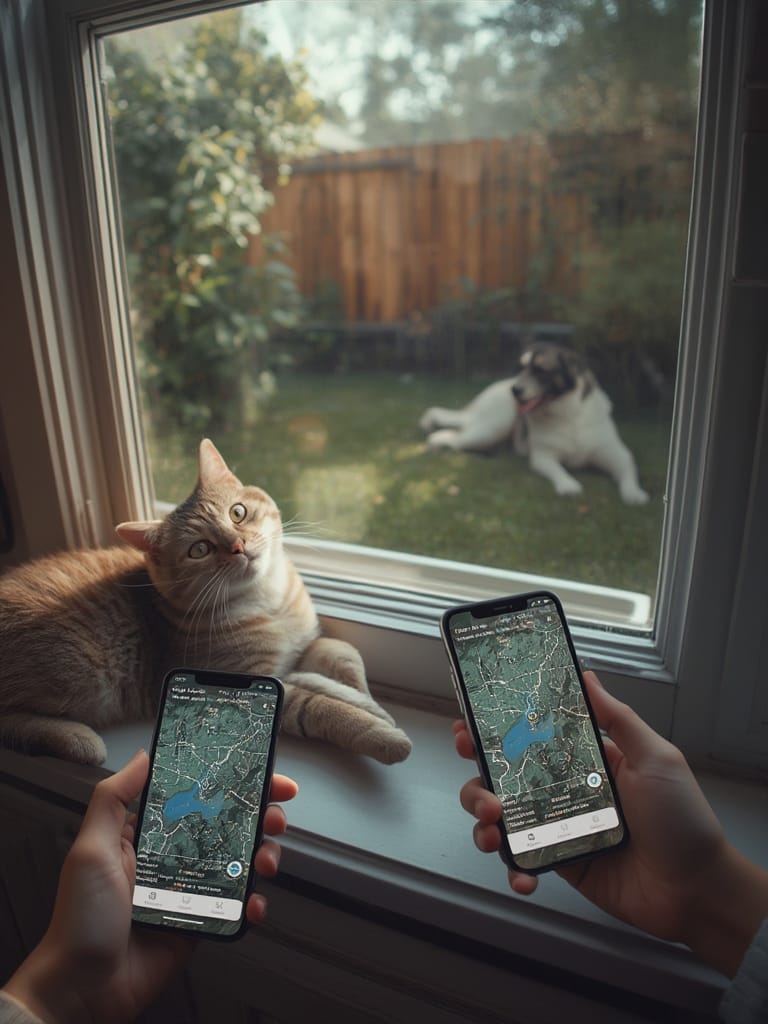
The pet tech world is evolving fast, but the right GPS tracker still requires clear-eyed decisions. Evaluate comfort, battery life, and true waterproof claims—don’t just pick the most popular brand. For cats under 7 pounds or those always slipping collars, RF trackers like Tabcat are often safer and stress-free. The best GPS tracker remains the one that fits your pet, your escape risks, and your budget. Review your options, check final costs, and read user experiences. Ready to make pet escapes a thing of the past? Start comparing models and focus on those tried and tested for your pet size, home, and lifestyle—your peace of mind will thank you.
Frequently Asked Questions
How accurate are GPS trackers for cats?
Most GPS cat trackers provide location accuracy within 100 feet under normal conditions. Some RF trackers, like Tabcat, can pinpoint within 1 inch but only for short-range searches.
Are GPS trackers comfortable and safe for small cats?
Not always. Many GPS trackers are heavy or bulky. Ultra-light RF tags such as Tabcat (0.21 oz, coin-sized) are more comfortable for cats under 7 pounds.
How often do you need to charge a GPS pet tracker?
Most GPS trackers need recharging every 3-7 days when at home, but only last 1-2 days if the cat roams beyond WiFi or stays in poor network areas. Always check real-world user reviews for the device you choose.
Are “waterproof” cat trackers safe for outdoor pets?
Waterproof claims vary and are rarely IP-rated. Tabcat is tested for 3 feet for 30 minutes. Many GPS trackers only promise splash resistance, so check for IP67/IP68 if your pet gets wet often.
Do all GPS cat trackers require a subscription?
Nearly all GPS-based trackers require a subscription for live tracking, starting at $4.17/month. RF and most Bluetooth tags do not have any ongoing fees.