

Driveway alarm systems are one of the fastest and most practical ways to spot vehicles or unexpected visitors before they reach your property. Whether you live in a rural area with a long driveway or on a busy street, these wireless sensors offer advanced detection and real-time notifications, making them a staple of modern home security.
Key Takeaways
- Driveway alarm systems offer detection ranges from 50 feet to 5,000 feet, but real-world range varies depending on obstacles and terrain.
- Vehicle-specific sensors (magnetic or pneumatic) provide high immunity to false alerts from pets or wildlife that standard motion sensors may trigger.
- Most driveway alarms do not require subscriptions or ongoing fees and are typically easy to self-install with basic tools and common batteries.
- What is a Driveway Alarm and How Does it Work?
- How to Install a Driveway Alarm: Step-by-Step
- Advanced Performance Analysis & Common Pitfalls
- Conclusion
- FAQ
What is a Driveway Alarm and How Does it Work?
A driveway alarm is a wireless sensor system that detects vehicles, people, or large animals entering a driveway. The principal idea is to give homeowners an early warning before visitors or deliveries reach the door, bolstering safety and convenience. These alarms rely on technologies like passive infrared (PIR), magnetic probes, or pneumatic pressure hoses. When an object is detected, the transmitter sends an alert signal (audibly or via smartphone) to a receiver located inside the home.
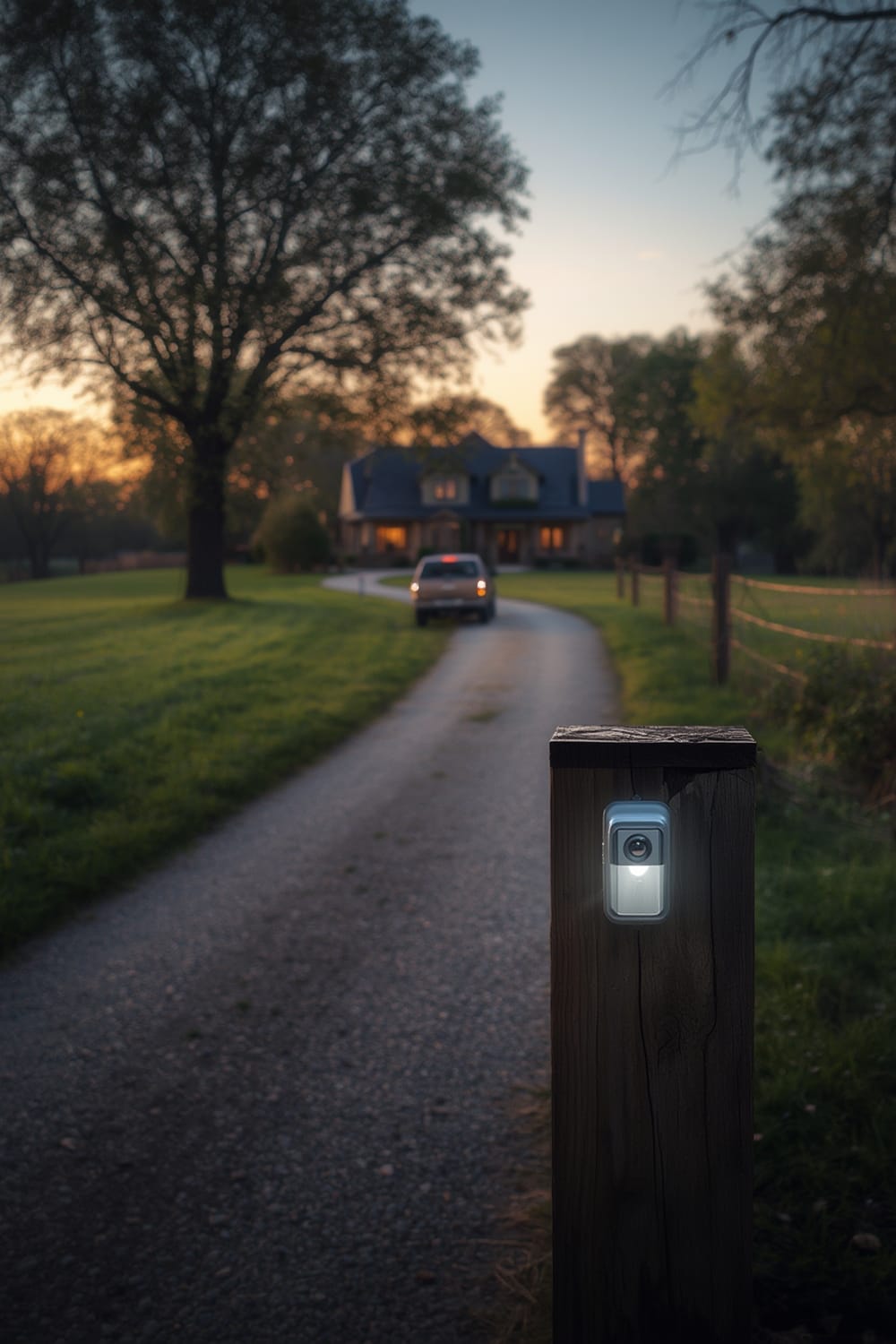
Modern driveway alarms cover a broad range of scenarios—from rural driveways requiring long-range transmission (up to 5,000 feet, as found in the Dakota Alert DCMA-4K-PLUS), to smart home systems that notify your phone. Compared to other perimeter security devices, driveway alarms are low-cost, quick to install, and don’t require complex wiring or professional labor. They can help prevent unauthorized access, alert you to packages or guests, or even integrate with smart home routines for lighting or camera activation.
For a more in-depth look at device interoperability and the reasons for home security standardization, see our article on Matter compatible devices.
How to Install a Driveway Alarm: Step-by-Step
Installing a driveway alarm can take under an hour for most homeowners. Here’s a proven workflow for reliable results:
- Choose the Best Sensor Type: For standard driveways, PIR motion sensors are easy to mount on posts, mailboxes, or trees. If you only want to detect vehicles (not wildlife or guests on foot), go for magnetic-probe or pneumatic models.
- Decide on Power Source: Most systems run on 9-volt batteries (usually lasting up to a year), but some offer solar panels or AC adapters for remote or always-on use.
- Confirm Range and Test line of sight: Start by placing the sensor at your chosen location and the receiver inside your home. Test that the alarm triggers reliably with a person or vehicle before fully mounting.
- Install the Sensor: Mount the transmitter about 3-5 feet above ground, pointed perpendicular to the driveway. Use brackets, cable ties, or lag screws as appropriate.
- Pair and Configure the Receiver: Sync each sensor to the receiver, assign distinctive melodies or zone alerts, and adjust volume to a suitable level.
- Refine Sensitivity: For motion-based systems, use built-in adjustment dials to minimize false triggers from passing animals or harsh weather.
- Test and Maintain: After everything is in place, run a final test. Check function after storms or heavy snow, and replace batteries or clean lenses as required.
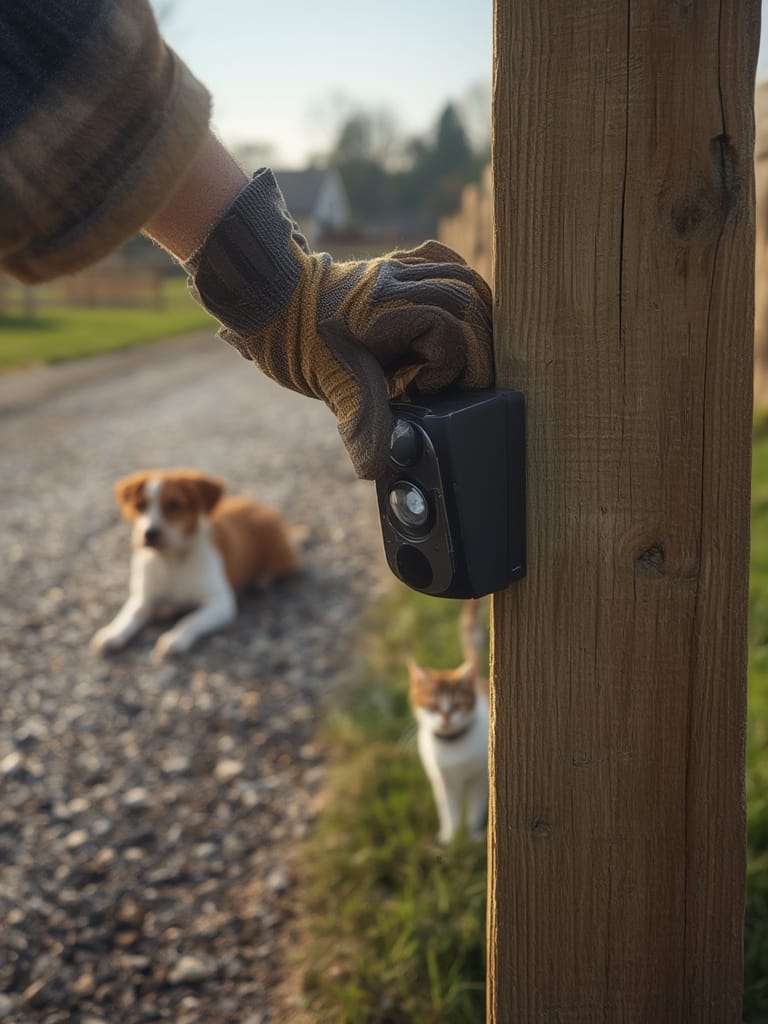
For users interested in integrating their alarm with full smart home automation, explore the latest agentic AI home routines and Matter protocol setups to ensure compatibility with your security devices. Some newer alarms support smartphone push notifications; however, always confirm app reliability before relying on phone alerts as your only warning system.
Advanced Performance Analysis & Common Pitfalls
While driveway alarms are simple in concept, real-world performance can differ sharply from what’s claimed on the box. Here’s what research and customer feedback reveal about major pain points:
- Range Limitations: The advertised maximum range (such as 5,000 feet for the Dakota Alert DCMA-4K-PLUS) assumes perfect line of sight. Trees, brick walls, hills, and even parked cars can cut real-world range by half or more. Most mainstream alarms like Guardline, eMACROS, and Wuloo claim 1,800 feet to 1 mile in optimal conditions, but expect 600-1,200 feet once installed.
- False Alarms: Standard motion sensors can be triggered by pets, deer, or swaying branches. While adjustable sensitivity and environmental filters help, only vehicle-specific (magnetic probe or pneumatic) sensors promise true immunity. For rural or wooded areas, consider this an essential upgrade.
- User Complaints: Verified reviews are sparse in source data, but some users note that lower-end systems (like Bisty) offer weaker range or less reliable triggering, while premium alarms like Wuloo may be overkill for small lots.
- Weather Resistance: Most systems are rated for all-weather exposure (-30°F to 120°F). Still, extreme cold may reduce battery life. Regular inspection after storms is recommended.
- Connectivity & Security: Despite growing interest in smart driveway alarms that integrate with apps, support for protocols like Matter is still rare. Few sources specify encryption or interference immunity, although Dakota Alert does use the MURS radio frequency for greater stability in large properties (source).
- Subscription & Hidden Costs: Most systems have no mandatory subscription fees. Power and maintenance costs are minimal (replace batteries annually, clean sensor faces as needed). There is little evidence of “hidden fees” in current models as of 2024.
| Model | Transmission Range | Sensor Type | False Alert Immunity | Power | Notable Features |
|---|---|---|---|---|---|
| Dakota Alert DCMA-4K-PLUS | 5,000 ft | PIR Motion/Infrared Beam | Adjustable, not animal-proof | 9V Battery/Solar/AC | Longest range, multi-zone, weatherproof (source) |
| Guardline | 1/4 mile (~1,320 ft) | PIR Motion | Some pet filtering, not vehicle-only | AA Battery | Expandable, customizable alerts |
| Wuloo | 1,800 ft | PIR Motion | Basic adjustment | Battery/Solar | Ideal for large properties, but may be more than needed for smaller areas |
| Dakota Alert DCPA-4K-PLUS | Up to 5,000 ft | Magnetic Probe (Vehicle Only) | Immune to animals/weather | Battery/Solar | No false alerts, all-weather, best for cars/trucks only |
| Bisty | Undisclosed (weaker real-world) | PIR Motion | Limited adjustment | Battery | Affordable, but less reliable for long or complex driveways (source) |
For those interested in monitoring external conditions or integrating with outdoor automation, pairing a driveway alarm with wind sensors for awnings or a circadian lighting system can boost both security and comfort. For pet owners, note that true animal immunity is best achieved with vehicle-only probes, not standard motion sensors.
Conclusion
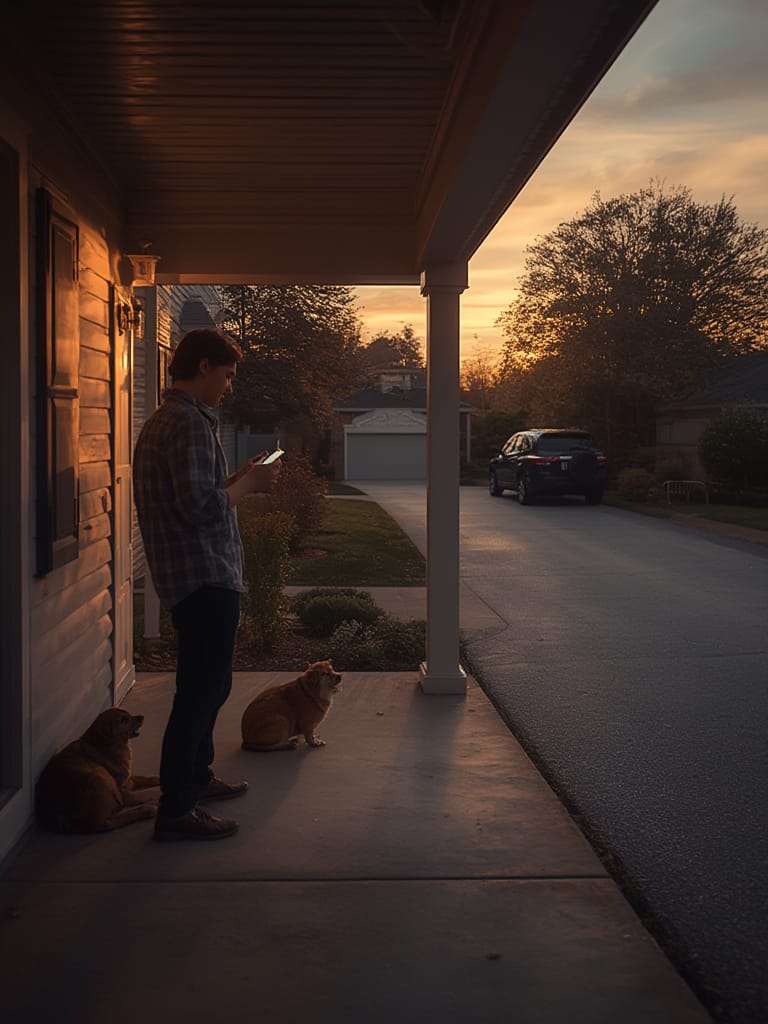
A well-chosen driveway alarm delivers peace of mind by giving you a heads-up whenever a vehicle or person enters your property. To maximize the benefits, select the right sensor type for your needs, test before mounting, and maintain it regularly for best performance. Pay attention to possible weak spots, such as range limitations, false alarms from pets, or rare integration issues with smart home networks. Whether you want simple sound alerts or full smart home notifications, a driveway alarm is one of the quickest upgrades to boost security at the edge of your property.
Ready to secure your home? Compare models, review installation tips, and start your own setup today.
FAQ
How do I know which type of driveway alarm is best for my property?
If you have frequent wildlife or pets, consider a magnetic probe (vehicle-only) system. For visitors on foot, standard PIR motion sensors will work. Larger properties benefit from long-range transmitters and multi-zone receivers.
Do driveway alarms work during extreme weather?
Most high-quality models are weatherproof, rated for -30°F to 120°F. Check battery condition regularly in extreme temperatures, and clean sensor lenses of ice, snow, or debris for best performance.
Will a driveway alarm integrate directly with my smart home platform?
Some modern alarms can send notifications to your phone, but most do not offer deep integration with smart platforms like Matter or Alexa as of 2024. For advanced setups, consider third-party automations or check out our section on Matter protocol compatibility.
Are there any ongoing fees or subscriptions for using a driveway alarm?
No, most driveway alarms are a one-time purchase. They do not require monthly fees or subscriptions, even for models with app connectivity.
How often will I need to change the batteries?
Battery life depends on usage and temperature, but most driveway alarms run up to 12 months per battery set. Solar or AC-powered models are also available for low-maintenance installs.