

Awning Control is rapidly transforming how homeowners protect their patios and outdoor spaces. Smart, automated systems not only shield against sun and rain, but also boost safety and energy efficiency. Here’s what you need to know if you’re considering upgrading—or troubleshooting—your awning automation.
Key Takeaways
- Smart Awning Control systems use real-time wind and weather sensors to automatically retract awnings for enhanced safety and longevity.
- Global demand is soaring: over 45% of households seek advanced, integrated shading solutions, with North America leading in adoption.
- The most valued features are app control, voice assistant integration, and seamless smart home compatibility—users still want better reliability and AI-powered automation.
- The Core Concept: What Is Awning Control?
- Step-by-Step Guide: Upgrading to Smart Awning Control
- Advanced Analysis & Common Pitfalls
- Conclusion
- Frequently Asked Questions
The Core Concept: What Is Awning Control?
Awning Control refers to a system or device that automates the operation of a patio awning or shade. Automated awning control can make a major difference, especially in areas with unpredictable weather. Instead of manually retracting or extending your awning, sensor-equipped systems monitor environmental conditions (such as wind, rain, or sunlight) and adjust the awning automatically. This helps protect your investment, improve comfort, and even save energy.
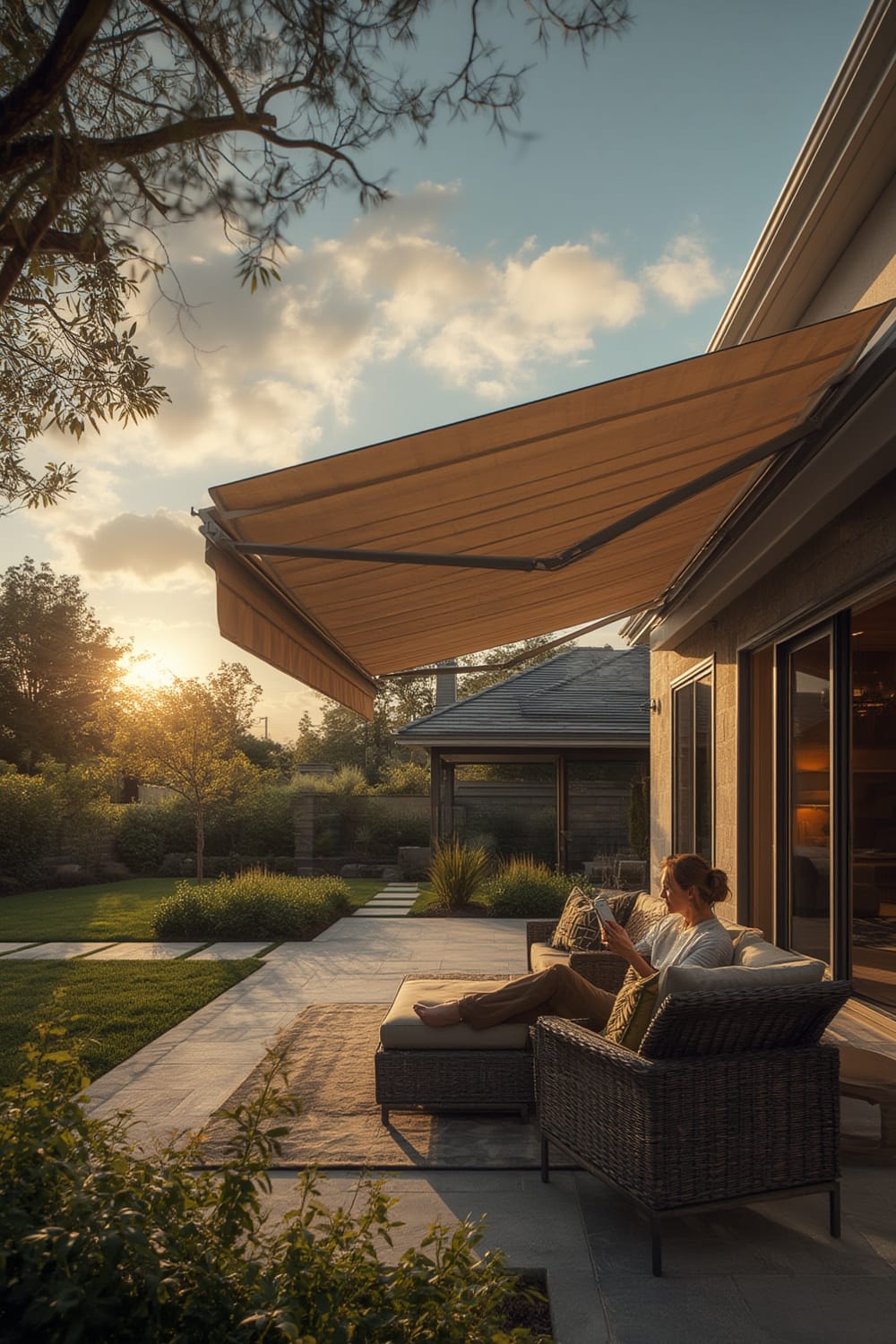
Modern awning control technology focuses on safety. According to market research, sensor-based systems automatically retract awnings in unsafe wind conditions, preventing costly damage and extending awning lifespan. There is no universally quoted wind speed threshold for patio awning damage, but automated systems take much of the guesswork out of protection. [Source] [Source]
Trends are shifting toward fully connected homes. In 2024, more than 40% of smart devices are compatible with integration platforms. Technologies like Matter Protocol and Agentic AI are making it easier to automate shading alongside lighting, climate, and security from a single interface.
Step-by-Step Guide: Upgrading to Smart Awning Control
Whether you’re retrofitting an existing awning or shopping for a fully motorized solution, follow these actionable steps to get the most from your investment:
- Audit your existing setup. Check if your current awning is compatible with retrofit motorized kits and smart controllers. If not, look for turnkey smart awning models.
- Select your control method. Prioritize systems that offer a mobile app, RF remote, and voice control options. For whole-home integration, look for Matter compatible devices or brands with well-documented APIs.
- Focus on key sensors. Wind and rain sensors are critical—these enable fully automatic protection from sudden storms or gusts. While brands like Somfy highlight their sensor-based automation, specific wind speed thresholds are rarely listed. Review user feedback for real-world reliability, as accuracy varies by model.
- Plan the installation route. For outdoor sensors, ensure a stable mount away from obstructions and electronic interference. Wireless sensors require a strong signal, so keep hubs and repeaters close to avoid communication failures.
- Integrate with your smart home ecosystem. Set up automation rules for time of day, sun/shade preferences, or energy-saving modes. For advanced routines, explore triggers that combine with lighting or thermostat schedules. Learn how to set up multi-device routines with Matter for maximum flexibility.
- Consider future technologies. Some advanced systems are exploring AI and predictive automation, similar to early Agentic AI routines for home comfort. If you want a system that can learn your habits and pre-emptively adjust shading, monitor the latest updates from leading smart home brands.
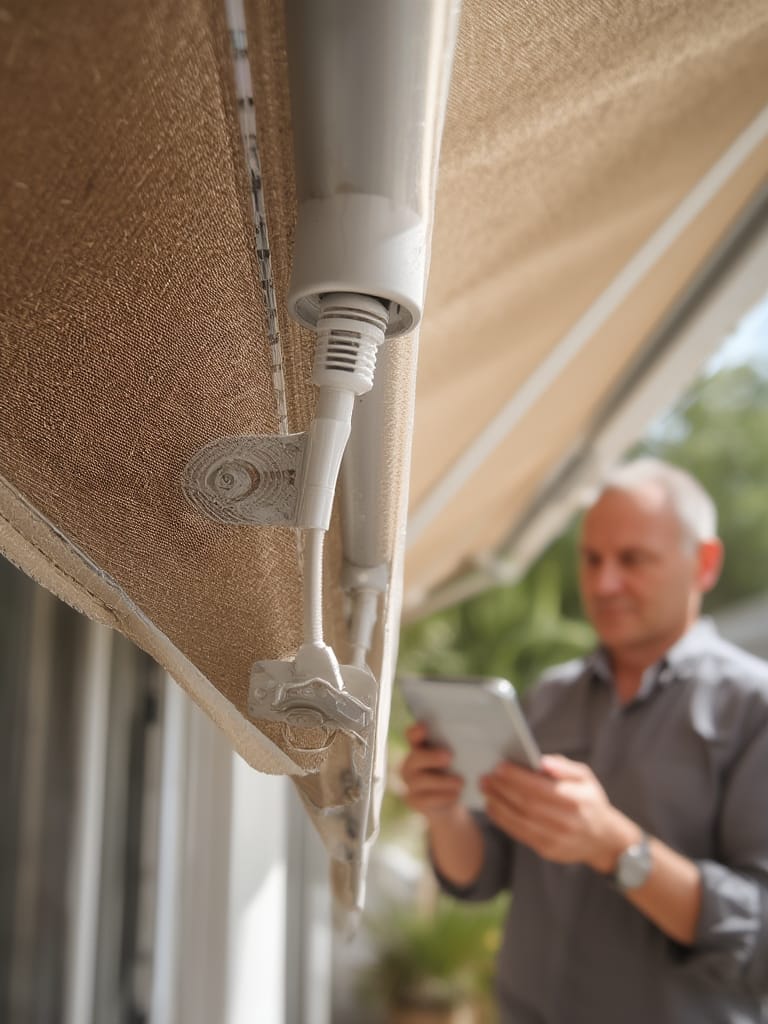
Tip for pet owners: If you use connected devices for pet comfort—like an Anxiety Vest with haptic feedback or a climate monitor—try synchronizing awning adjustments to ensure cool, shaded outdoor space when needed.
Internal shading can also help air quality. Smart awnings work well with brands offering PM2.5 monitoring air purifiers by reducing sunlight exposure and managing temperatures more efficiently.
Market data from MarketIntelo and Reanin Research shows North America holds 36% of the global smart awning market share, while over 45% of households actively seek advanced shading technologies. Asia Pacific is the fastest-growing region with an 11.2% compound annual growth rate.
Advanced Analysis & Common Pitfalls
While smart awning control technology is advancing fast, some issues remain. Here are the most common pitfalls—plus how to avoid them:
- Wind sensor reliability: User-reported frustrations often focus on false positives or failures to trigger retraction during strong gusts, though specific data is limited. Always test your sensors in varied conditions and set up app notifications for manual override if in doubt.
- Interference and connectivity issues: Wireless sensors and controllers can be sensitive to distance and signal blockages. Use signal repeaters or wired options where possible, and keep devices updated with the latest firmware.
- Integration gaps: Not all awning control systems play nicely with other smart home devices. Brands are improving platform support, but be sure to confirm compatibility with your preferred ecosystem (such as Alexa, Google Home, or Matter-compatible devices).
- Automated limits: Many awning control apps offer basic automation rather than advanced, learning-based routines. Look for systems embracing new tech—cloud-based AI, for example, is increasingly available but not yet standard.
- Unclear installation and costs: Upfront installation fees and ongoing maintenance for wind sensors or motorized units can be unpredictable. Get a full quote from the installer, including any required electrical upgrades, to avoid surprises.
| Feature | Somfy Awning Control | Generic Smart Awning Brand |
|---|---|---|
| Sensor-based automation | Yes (wind, sun, rain sensors) | Varies by model |
| App & voice assistant control | Alexa, Google Assistant, proprietary app | Some offer basic app only |
| Wireless range | wireless range, but check for dead zones | Often less consistent |
| Warranty & support | Varies (confirm when purchasing) | May lack after-sales support |
Wondering how this compares to other smart home tech? See how predictive automation is shaking up kitchen appliances in our AI Oven feature, or discover the latest on remote monitoring in app-controlled air fryers.
Conclusion
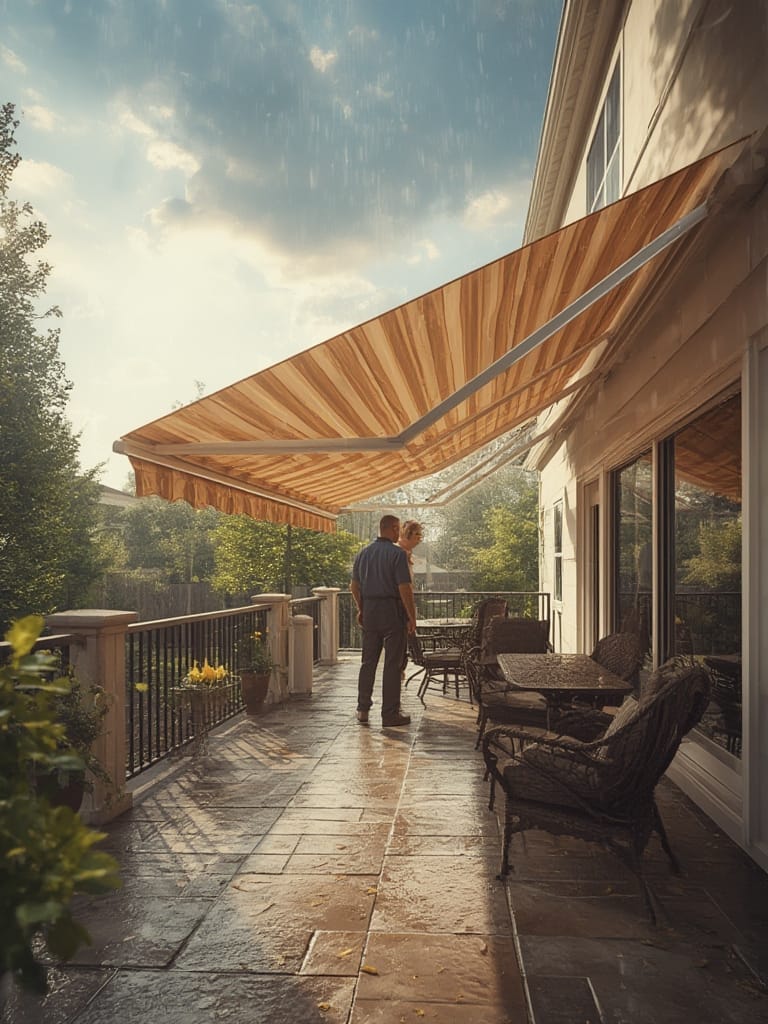
Smart awning control systems are fast becoming the standard for safer, more convenient outdoor living. With Awning Control, you can automate protection, connect with your smart home, and future-proof your investment—just watch for real-world reliability issues in harsh weather. Want support choosing devices or setup tips? Browse our other guides, or connect with a certified smart awning installer today.
Frequently Asked Questions
How do smart awning control systems detect dangerous wind conditions?
Smart awning control systems use built-in or add-on wind and weather sensors that monitor speed and turbulence. When speeds exceed a preset threshold, the system automatically retracts the awning to prevent damage. Advanced models allow custom threshold settings or app notifications.
Can I integrate smart awning control with Alexa or Google Home?
Yes, most leading awning controllers offer integration with Alexa, Google Assistant, or even Apple HomeKit. Check that your model supports these platforms or is Matter compatible for smooth operation with other devices.
Are there extra costs beyond the initial purchase for smart awning systems?
Yes, professional installation, sensor add-ons, and periodic maintenance can add cost. Prices vary, so request an itemized quote and consider future repairs or battery replacements for wireless sensors.
What are the most sought-after features in smart awning control right now?
Users most often request reliable sensor-based automation, mobile app control, voice assistant support, and the ability to easily integrate with broader smart home systems.
What technical features should buyers compare before choosing a smart awning control system?
Check for accurate sensor calibration, clear wireless range specs, platform compatibility (app/voice/integration), and reputable after-sales support. Always confirm these details before purchase.