

Voice Isolation has quickly become the silent enabler of smarter, more private, and less frustrating smart home voice control.
Key Takeaways
- Local voice control with voice isolation cuts latency, boosts privacy, but still lags behind cloud solutions for complex requests.
- The majority of new products now support hybrid/offline processing, reflecting a shift toward user privacy and control.
- Practical adoption hurdles include setup complexity, device compatibility, and imperfect wake word detection.
- What is Voice Isolation and Why Does it Matter?
- How to Set Up Local Voice Isolation at Home
- Advanced Analysis & Common Pitfalls
- Conclusion
- Voice Isolation: FAQ
What is Voice Isolation and Why Does it Matter?
Voice isolation refers to advanced audio processing that separates your spoken commands from background noise, music, and other voices. In the smart home context, this means your devices only respond when you truly intend them to. At its best, voice isolation keeps your requests private, reduces accidental activations, and improves reliability—even when you want all processing to stay local, not in the cloud.
Here’s why it matters: In 2024, the global voice assistant market is worth billions, and 58% of new products support some form of offline or hybrid voice control for privacy and reduced lag. The cloud is still dominant (61.4% share), but consumers now expect less eavesdropping, fewer false wakes, and more local control.
Privacy concerns drive this shift: Users want to avoid unwanted data collection, hack risks, and the worry that their living room chatter is stored forever. Voice isolation, especially in local systems, promises peace of mind, but not without tradeoffs.
How to Set Up Local Voice Isolation at Home
Ready to get hands-on? Setting up offline smart home voice control with effective voice isolation takes planning—most DIY solutions blend several technologies. Here’s a realistic step-by-step you can follow:
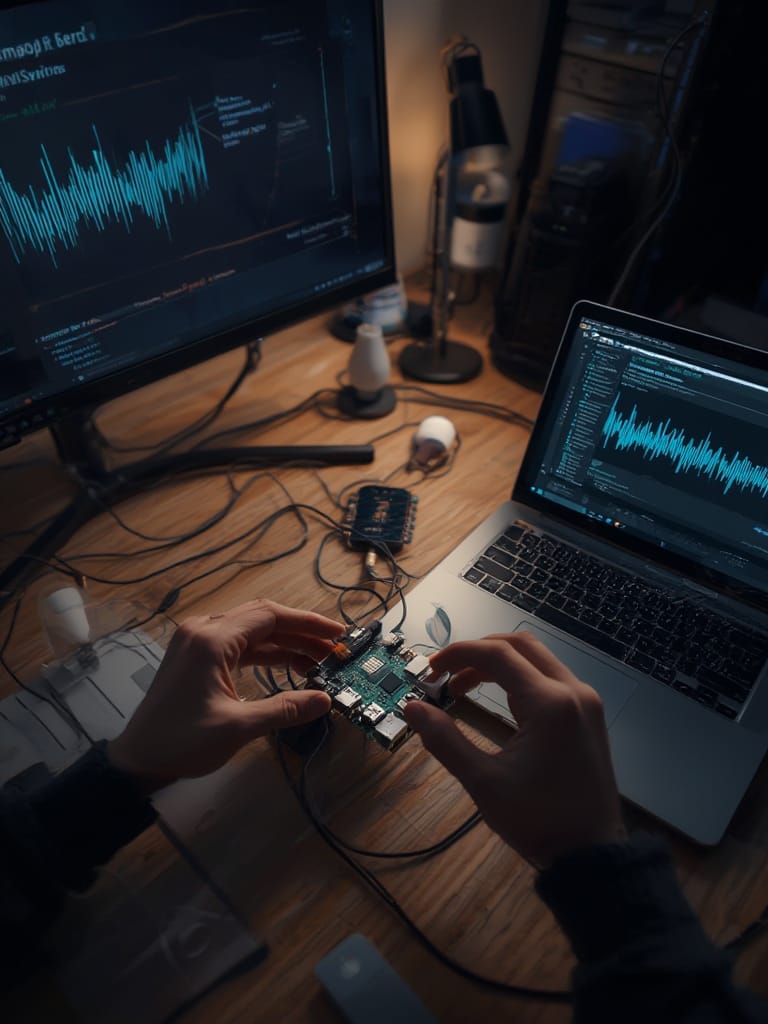
- Pick the right hub or platform. Look for devices that explicitly offer offline or hybrid voice control, such as newer Home Assistant-powered speakers or open-source Raspberry Pi solutions with Mycroft.
- Ensure hardware is suitable. Prioritize far-field microphones with built-in digital signal processing (DSP) or AI-based noise suppression. Many third-party boards offer “hardware voice isolation” for hobbyists.
- Install local-only voice assistant software. Select projects that promise all audio handling locally—never sending recordings offsite. Mycroft, Rhasspy, and similar projects are popular among privacy-focused DIYers.
- Tune and calibrate the wake word system and voice isolation settings. Test with music playing and guests talking to fine-tune your trigger sensitivity.
- Integrate with your smart home devices (lights, thermostat, blinds, music, security). If you use Matter compatible devices, integration is simpler and more reliable.
- Test for privacy. Temporarily disconnect from the internet and make sure all basic commands still work without cloud fallback.
- Update regularly to keep isolation models and device firmware capable of dealing with new types of noise and threats.
Not sure where to start? See if your existing setup supports offline processing. Many recent products claim “local voice” but sneakily upload samples for updates or diagnostics—verify the privacy policy.
Check forums for user experiences. Many home hackers share detailed guides to balancing privacy with performance. Discussion around biometric locks and their local detection features can provide clues on best practices.
If pet noise or TV chatter triggers your devices, consider layering in a smart noise source detector or using dynamic sensitivity features—this is a new but promising solution area.
Local processing is spreading even to smart appliances. For example, voice-activated coffee makers and scene controllers are adding local voice modules for quick actions, bypassing the cloud for routine tasks.
Advanced Analysis & Common Pitfalls
Switching from cloud to local voice isolation isn’t magic. Real users face several bottlenecks, especially when expecting mainstream cloud-level performance. Here’s what market and research data reveal:
| Aspect | Cloud-Based | Local (Offline) |
|---|---|---|
| Latency | Delays likely if internet lags. Requires connection for every command. | Commands process almost instantly. Works during outages. |
| Accuracy | Superior for complex or multi-language tasks; giant cloud AI models keep learning. | High for simple commands, but can slip in noisy or varied accents. Lacks frequent updates. |
| Privacy | Audio goes offsite; exposes info to service providers, hackers, leaks. | Never leaves your network. No data for advertisers or cloud breaches. |
| Convenience | Setup is plug-and-play, supports wide range of devices. | DIY setup can be time-consuming; limited mainstream devices. |
Pitfalls users frequently report:
- False positives. Even the best local wake-word models occasionally trigger from background sounds, especially in open-plan homes.
- Lack of independent test data. There is little to no public research on how well current voice isolation prevents accidental activations or recordings. For now, much is based on vendor claims.
- Hardware limitations. Not every “local” device keeps data truly on site—some offload updates or analytics in ways users might not expect (see market analysis).
- No clear market on price and compatibility. Compared to cloud alternatives, it’s hard to estimate upfront cost or compare privacy models between brands—few offer full transparency.
- No major incidents documented—yet. While cloud compromise is a theoretical risk and reason for local adoption, actual public disclosure of privacy leaks or misuse in mainstream devices is scant (reference).
For certain users, especially those with demanding privacy requirements or unreliable internet, local voice isolation is essential. For the average household, however, convenience and seamless cloud features still win most of the time.
If you want “set and forget” simplicity, stay with cloud. If maximum privacy and control are non-negotiable, budget extra time for setup, and expect ongoing tweaks to keep isolation robust as your home changes.
Conclusion
Voice isolation is the missing ingredient for secure, local, and frustration-free smart home voice control. While more products now feature local voice processing, the technology is only as good as your setup, calibration, and vigilance. If privacy matters to you, or if cloud outages have left you in the dark, invest in devices with real, verifiable voice isolation—just remember these systems require more tuning than a plug-and-play solution.
Ready to get started? Audit your home for local compatibility, explore DIY voice projects, and try advanced voice isolation today. Above all, be proactive—don’t let the promise of voice assistants come at the cost of your personal privacy.
Voice Isolation: FAQ
What is the main benefit of voice isolation in smart homes?
Voice isolation enhances privacy and command accuracy by filtering out background noise and only responding to intended voice commands—especially beneficial in homes with pets, children, or lots of background entertainment.
Can I use voice isolation features without an internet connection?
Yes. Most cutting-edge local voice assistants now offer offline voice isolation, allowing you to control your system even if your home loses connectivity or you want to keep your data private.
Does voice isolation always prevent accidental voice assistant activation?
No. While it greatly reduces false wakes, especially with custom hotwords and proper calibration, no system is flawless—ambient noise or similar sounding phrases can sometimes still activate it.
What are some upcoming trends in the local voice control market?
The shift to local, on-device processing (edge-based AI) is gaining speed due to privacy demands. Integration with platforms like Agentic AI and cross-device compatibility through open standards like Matter are also trending.
How do I know if a voice assistant processes commands locally?
Look for explicit privacy statements and documentation about offline voice control. If the device continues to work with Wi-Fi disconnected (for basic tasks) and alerts you before any cloud data is sent, it likely supports true local processing.