

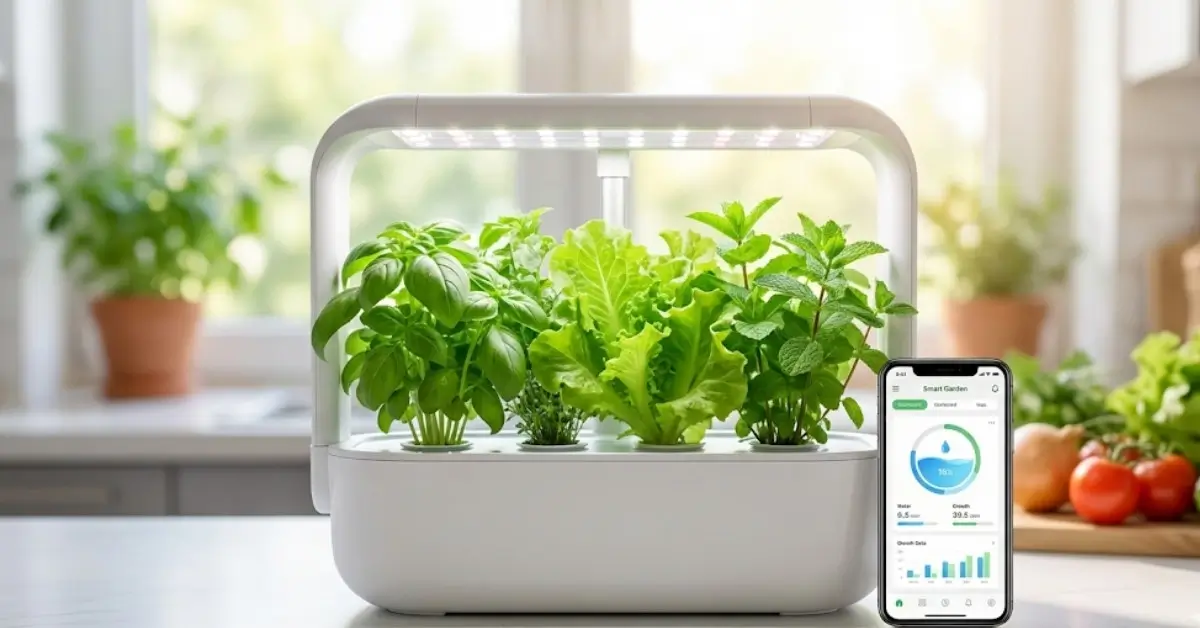
Smart Planter technology is rapidly transforming indoor gardening, making it easier than ever for anyone—urban dweller or home grower—to succeed with herbs, greens, and vegetables year-round. Whether you’re interested in higher yields, water savings, or simply want an effortless way to keep houseplants alive, the latest smart planters bring features once found only in commercial greenhouses right to your kitchen counter.
Key Takeaways
- Smart planters automate watering, lighting, and nutrient delivery, leading to up to 80% higher yields with up to 90% resource savings compared to traditional indoor gardening.
- The smart planter and hydroponic smart garden market is booming, driven by urban gardening trends and smart home connectivity. Hydroponics now represents over 40% of the smart indoor gardening market.
- While smart planters offer convenience and consistency, not all systems are created equal—technical differences affect plant performance, and costs can be substantial over time.
- The Core Concept of Smart Planters
- Step-by-Step Guide: Setting Up and Using a Smart Planter
- Advanced Analysis & Common Pitfalls
- Conclusion
- FAQ
The Core Concept of Smart Planters
A smart planter is an indoor gardening system that uses technology—such as sensors, micro-pumps, app controls, and automated lighting—to minimize the effort required to grow plants, herbs, and vegetables indoors. Unlike traditional pots, these devices monitor soil moisture, nutrient levels, and light exposure automatically, making gardening accessible even to those with little plant care experience.
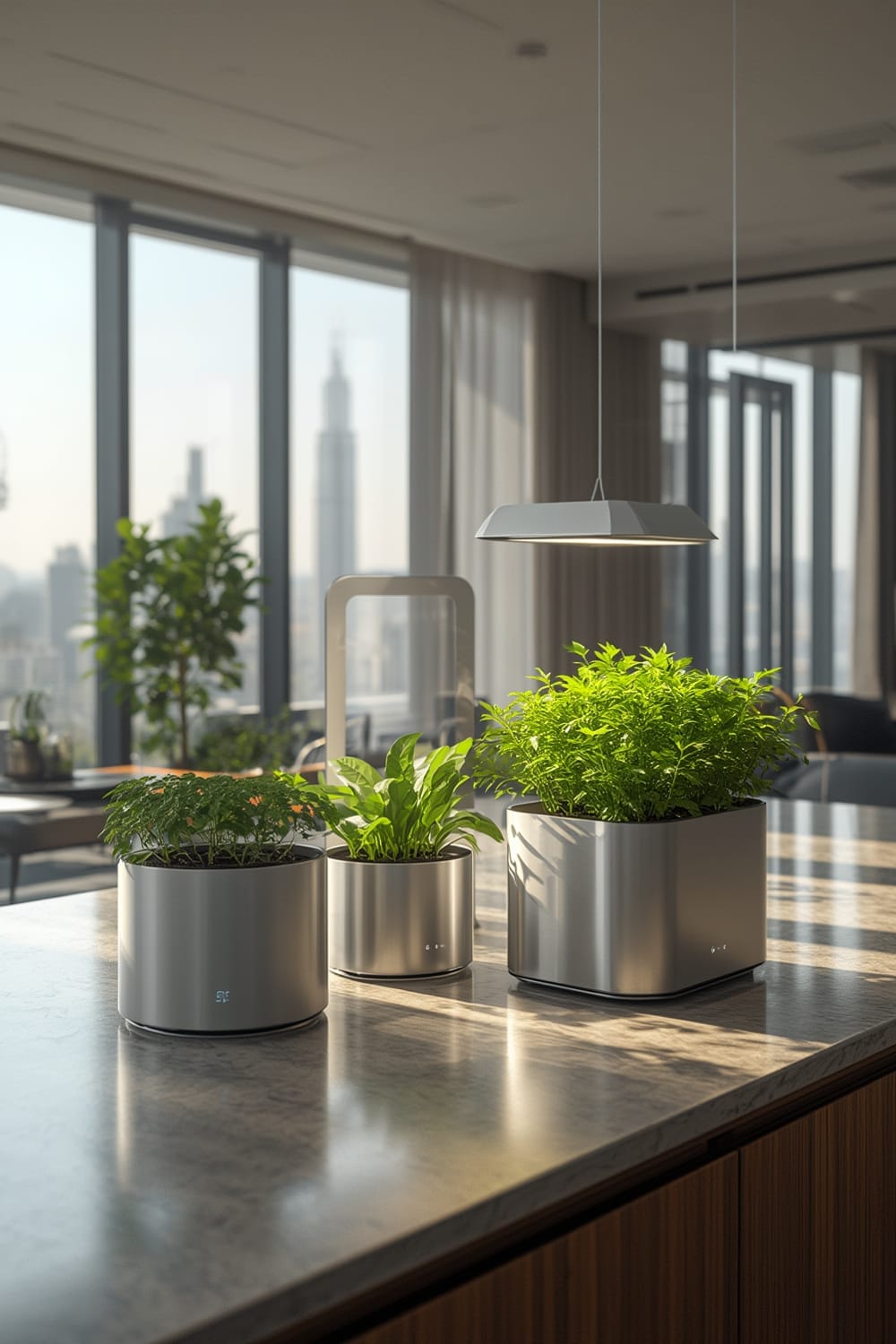
Hydroponic smart gardens take this further, growing plants without soil and using automated nutrient delivery systems. With precise control over water and nutrient dosing, hydroponic systems have been shown to deliver up to 80% higher yields and grow plants up to 10 times faster than soil-based methods (source). The global smart planter market alone is forecast to grow from USD 394.8 million in 2024 to USD 541.5 million by 2030, fueled by the growing trend of urban living and smart home integration (see market data).
These systems often feature connectivity with voice assistants, remote app controls, and sensors for monitoring pH, light, temperature, and humidity. Whether for home chefs wanting fresh herbs, or apartment dwellers craving greenery, the smart planter revolution is addressing both convenience and yield—with environmental benefits thanks to precise resource management.
Step-by-Step Guide: Setting Up and Using a Smart Planter
- Select the Right Smart Planter
Compare features: Do you want a soil-based pot with automated watering, or a hydroponic system? Consider the types of plants (herbs, leafy greens, small veggies), the size of the unit, grow light spectrum (full spectrum LED is best), and app integration. - Assemble Your System
Follow the manufacturer instructions for assembly. Most systems require attaching the lighting arm, inserting plant pods or baskets, filling the reservoir with water, and adding nutrients if hydroponic. - Install and Configure the App
Download the app (if offered) and connect via Bluetooth or Wi-Fi. Set up a growth profile based on what you’re planting. Some advanced systems let you monitor pH, light, and soil or water levels remotely, similar to how an Aquarium Monitor helps manage tank parameters. - Insert Seeds or Pods
Place seeds, seed pods, or starter plugs in the dedicated slots. Check if additional grow sponges or media are needed. - Set the Grow Light Schedule
Use the app or manual controls to schedule lights for 12 to 16 hours per day, depending on plant species. Full-spectrum LED is best for herbs and leafy greens. - Monitor, Top Up Water and Nutrients
While the smart planter automates most care, check water levels and refill water and nutrients as needed. Add nutrients at intervals indicated by the app or on the system. - Harvest and Restart
Harvest as soon as plants are fully grown. Rinse the system and begin a new growing cycle to maximize year-round yields.
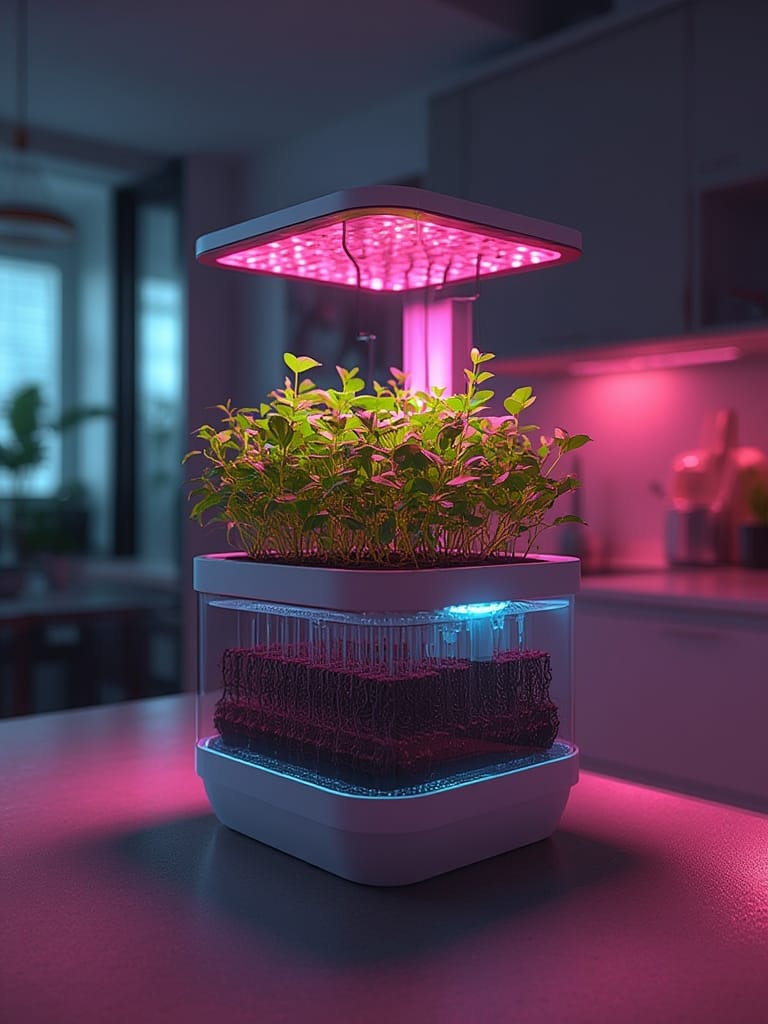
For those keen on even deeper automation, check for compatibility with broader smart home platforms. Integrating your smart planter into a Matter Protocol-ready ecosystem or utilizing Agentic AI for predictive care can turn plant management into a set-and-forget process, ideal for anyone traveling or with a busy schedule.
Additionally, consider leveraging humidity control in your grow zone. Pairing a smart planter with a smart humidifier designed specifically for plants greatly improves leaf health and reduces issues with indoor dryness.
Advanced Analysis & Common Pitfalls
What can actually go wrong with a smart planter—and how can you avoid disappointment? While tech-driven gardening makes things easier, users report some common pitfalls and missed expectations.
- High Acquisition and Running Costs: High-end smart planters often cost more upfront than traditional setups. Some require specific, branded pods or consumables. Cost of seeds, nutrient refills, and power for LED lights can add up, especially with subscription models (reference).
- Yield Expectations vs. Reality: While manufacturers claim up to 80% higher yields, results heavily depend on the specific crops grown. Leafy greens and herbs thrive, producing up to 10x faster growth, but fruiting vegetables (tomatoes, peppers) can struggle without more advanced lighting or larger water reservoirs (data source).
- Limited Technical Data on System Differences: Most smart planters offer LED lighting and automated watering, but the spectrum, sensor accuracy, and irrigation tech (hydroponic vs. wick systems) vary widely. Brand-specific differentiators are still poorly documented in most consumer reviews (industry overview).
- App & Wi-Fi Problems: Connectivity or app glitches can make automation unreliable—especially if firmware updates are inconsistent.
- Plant Variety Limitations: Most hydroponic systems excel with fast-growing herbs (basil, mint, parsley), salad greens, or microgreens. Root crops or larger fruiting plants underperform unless using expanded or modular systems. For maximizing device value, stick to proven crops.
| Smart Planter Type | Grow Light Spectrum | Irrigation Technology | Best for | Annual Cost (Est.) |
|---|---|---|---|---|
| Hydroponic Smart Planter | Full spectrum LED | Automated nutrient dosing, water recirculation | Herbs, greens | $200–$350+ (plus consumables) |
| Soil-based Smart Pot | Basic white/blue LED | Auto-watering, capacitance sensors | Ornamentals, succulents | $80–$200 (fewer ongoing costs) |
| Modular Self-Watering Planter | Variable, often upgradable | Reservoir with wick, less sensing | Larger vegetable plants (limited) | $120–$280 (plus soil/media) |
Actionable advice: Always factor in annual running costs—seeds, nutrients, and power—before buying. Consider device compatibility: some users report frustration if their planters can’t “talk” to newer Matter compatible devices or automations. Advanced users may also connect their planter setup with a Smart Faucet for easier fill-ups.
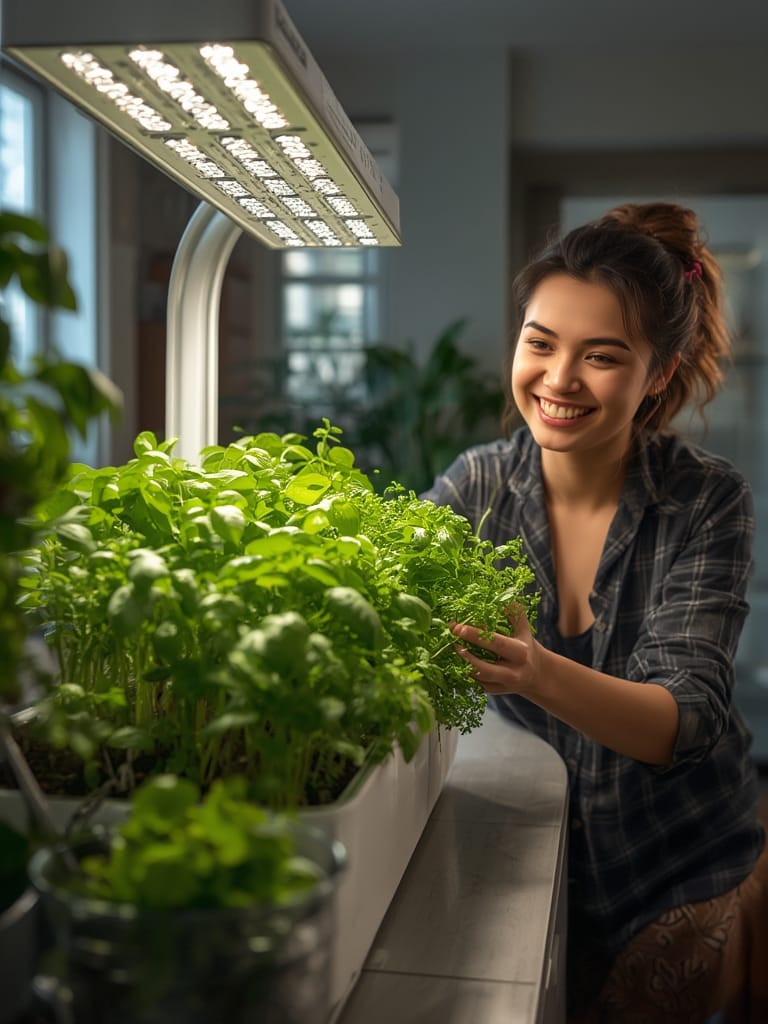
For those wanting truly “set-and-forget” gardening, look for models with built-in reminders for consumable orders or integrations with Smart Feeder and Scene Controller devices to adjust routines or lighting automatically.
Conclusion
Smart planters use technology to simplify home gardening, reduce resource use, and make high yields easier and more consistent. However, the market is evolving quickly—systems that excel for basil or lettuce might not meet expectations for peppers or tomatoes, and ongoing costs can be higher than expected if you only focus on the upfront price. The Smart Planter is a game changer for urban gardening, but take the time to select a unit that matches your long-term needs—and don’t neglect details like device integration, compatible crops, and annual consumable costs.
Ready to upgrade your indoor garden? Compare leading models, check for future-proof features, and start with easy, high-yield crops before advancing to complex plants. Making a smart investment now means fresher salads, tastier herbs, and less manual effort all year round.
FAQ
What plants grow best in a smart planter?
Hydroponic smart planters excel with fast-growing herbs (like basil, mint, parsley) and leafy greens (lettuce, arugula, spinach). Fruiting vegetables like peppers or tomatoes may require larger or more advanced models.
How much maintenance do smart planters require?
Maintenance is minimal compared to traditional gardening. You’ll need to refill water and nutrients every 1-2 weeks and occasionally clean the reservoir. Most systems will alert you via app or indicator light.
Are smart planters compatible with smart home platforms?
Many newer models support Wi-Fi and app integration, with some offering compatibility with major smart home protocols. Look for systems promoted as Matter or HomeKit-compatible for easier automation and control.
What is the average annual cost to operate a smart planter?
Annual costs vary but typically include electricity for grow lights ($10–$40/year), nutrient or pod refills ($40–$90+), and seeds. High-end systems with proprietary consumables may cost more, so it’s wise to check before purchase.
Can I grow root vegetables or large fruiting crops in a smart planter?
Most compact smart planters are best for herbs and greens. Larger units may accommodate small root crops, but typical models are not suited for big root vegetables or sprawling fruiting plants unless they specify such capacity.