

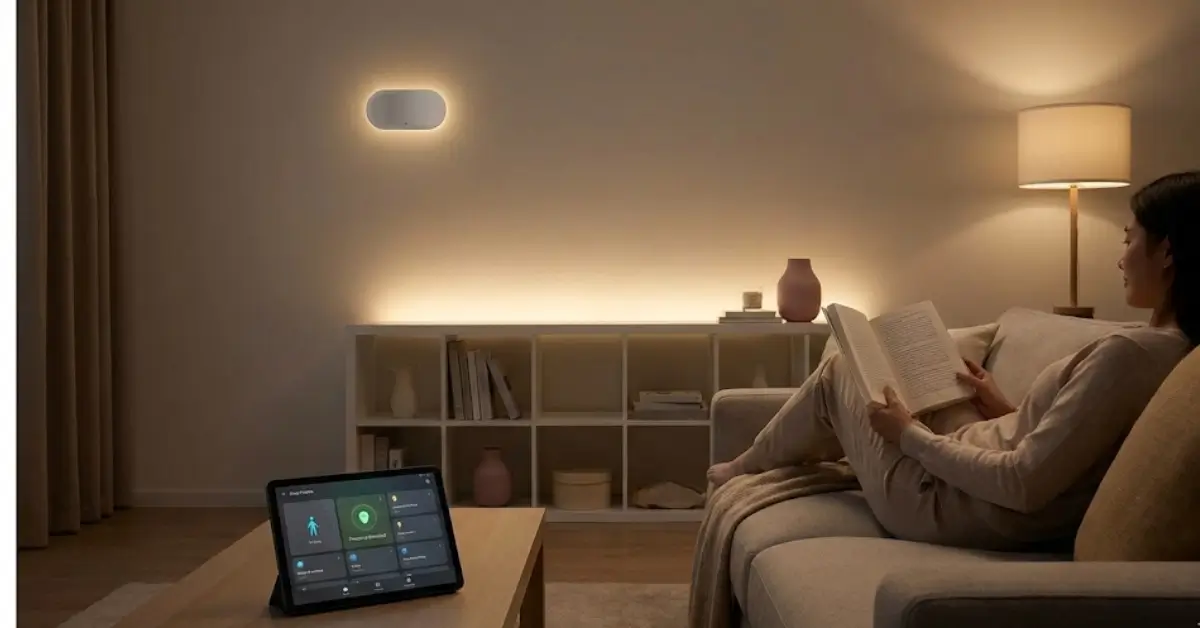
Presence Sensors are quickly changing how smart homes detect if a room is actually in use, bringing accuracy and reliability that standard motion detectors often lack. If you want automation that just works—whether you’re moving, sitting still, or reading on the couch—understanding these devices is critical.
Key Takeaways
- mmWave presence sensors provide superior still-person detection compared to traditional PIR motion sensors, enabling more reliable smart home automation.
- Installation can be simple or complex depending on the sensor, with some requiring technical setup and others plug-and-play with platforms like Matter or Zigbee.
- While adoption is growing fast, careful product selection is essential for the right balance of accuracy, price, and integration with platforms such as Home Assistant.
- What Are Presence Sensors and Why Are They Disrupting Smart Homes?
- How to Choose and Install a Presence Sensor: A Step-by-Step Guide
- Advanced Analysis & Common Pitfalls: What to Watch Out For
- Conclusion
- FAQ
What Are Presence Sensors and Why Are They Disrupting Smart Homes?
Presence sensors, especially those using mmWave radar, identify not just movement but also detect if a person is present—even if they’re sitting perfectly motionless. This overcomes the key limitation of standard Passive Infrared (PIR) occupancy sensors, which only trigger when they sense heat-based motion.
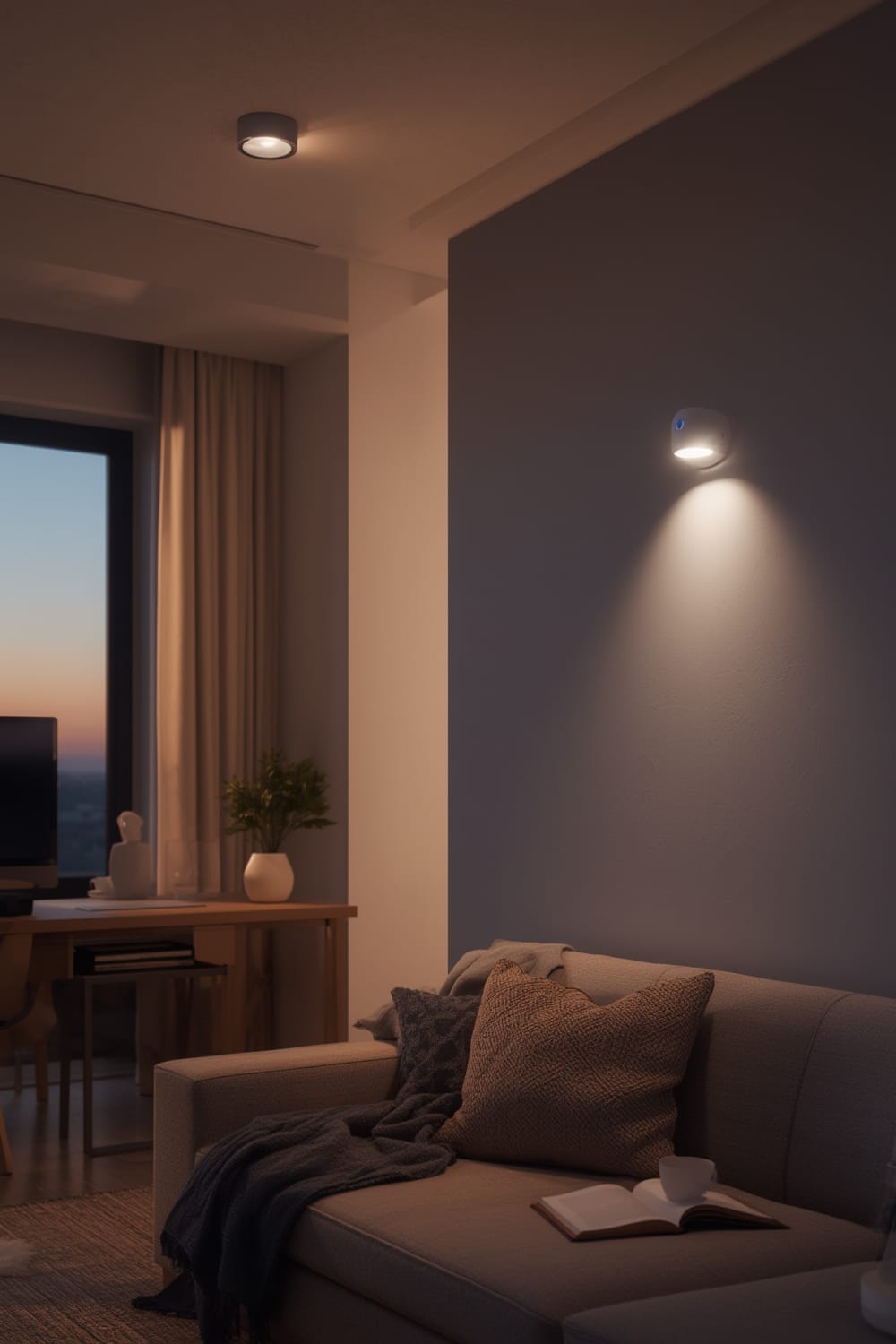
What does this mean for your smart home? Imagine lights that stay on even if you’ve been reading quietly for an hour, or climate control that activates when you’re present, not just when you walk in. mmWave presence sensors like the Aqara FP1E or FP2 or LD2410B can even detect breathing, enabling new use cases like automated bed occupancy or fall detection for elderly care. Unlike PIR sensors, which are notorious for false “room empty” signals, mmWave presence sensors deliver fine-tuned and reliable results—making them a cornerstone for any advanced smart automation setup.
The rise of these sensors coincides with platforms becoming more open and interoperable. Devices supporting Matter compatible devices and integrations like Home Assistant are at the forefront, breaking compatibility walls and letting you pick exactly the right sensor for your home.
How to Choose and Install a Presence Sensor: A Step-by-Step Guide
Selecting a presence sensor depends on your technical comfort, budget, and home automation platform. Here’s a practical process to help you find the best fit and get it running in your home.
- Identify Your Smart Home Platform.
Are you using Matter, Home Assistant, Zigbee, or Wi-Fi/MQTT devices? Match your sensor type:- Home Assistant: Most flexible, supports almost all sensors.
- Matter: Choose a Matter-certified sensor like the Meross MS600 for direct integration.
- Zigbee: Consider the Aqara FP1E for easy compatibility.
- Compare Key Models for Your Needs.
- Aqara FP1E or FP2: Best for multi-zone detection, fast updates, strong false-positive avoidance.
- LD2410B-based Sensors (e.g., Apollo, MSR-2): Excellent still detection, open-source community support, easy flashing for Home Assistant.
- Everything Presence One: Outstanding for single-zone accuracy at a budget price.
- Tuya & Sonoff mmWave: Good for plug-and-play, but some models lack advanced features or nuanced performance. (Source)
- Evaluate Installation Complexity.
- Plug-and-play: Aqara FP1E (Zigbee), Meross MS600 (Matter), Tuya sensors.
- DIY: LD2410B and Apollo require ESP32 flashing and YAML configuration for Home Assistant.
Resources like the Home Assistant community forum provide step-by-step help with YAML configs.
- Zone Mapping & Fine Tuning.
- For multi-zone setups, the Aqara FP2 supports up to 30 adjustable zones, while Apollo’s dual-antenna versions offer advanced spatial detection for larger rooms.
- Single-zone sensors can be used for hallways or small rooms where multi-zone is unnecessary.
- Final Integration & Automation.
- Use your platform’s automation tools to set up behaviors (e.g., lights, HVAC, alarms) based on real presence events—not just motion.
- Combine with Agentic AI features for predictive routines or with voice assistants for a seamless experience.

- Price and Value Considerations:
Aqara FP2 is typically priced higher than LD2410B-based sensors or Everything Presence One, but multi-zone features may justify the premium for complex rooms. Everything Presence One delivers strong single-zone presence detection for about half the FP2’s cost (Source).
If you’re working with pets or very large spaces, advanced zone mapping is more than a gimmick—it can drastically reduce false triggers. For pure reliability and minimal tinkering, pick a sensor with strong Home Assistant or Matter protocol support.
Advanced Analysis & Common Pitfalls: What to Watch Out For
While mmWave presence sensors provide impressive upgrades, practical issues are worth considering before investing.
Main Technical Differences: PIR vs mmWave Presence Sensors
| Feature | PIR Occupancy Sensor | mmWave Presence Sensor |
|---|---|---|
| Detects motionless presence (e.g., reading) | No | Yes (even detects breathing) |
| False positives (empty room triggers) | Frequent (sunlight, heat) | Rare with proper tuning |
| Multi-zone discrimination | No | Yes (FP2/Apollo, depends on model) |
| Works around obstacles/furniture | Partially | Yes, within range limits |
| Integration with Home Assistant | Good | Excellent (many open-source drivers) |
| Cost | Low | Medium to High |
| DIY installation complexity | Easy | Varies (plug-and-play to advanced YAML) |
Common Pitfalls & Real-World Issues
- Difficulty with technical setup: Many mmWave sensors (like Apollo or LD2410B) require firmware flashing, YAML edits, or ESPHome skills. Beginners may get frustrated if expecting 5-minute installs. For true “set and forget,” look for models with Matter protocol or Zigbee compatibility.
- Multi-zone complexity: While the Aqara FP2 offers high configurability with up to 30 zones, mapping zones in software can be confusing and may lead to false triggers if not carefully placed (source).
- Inconsistent still-person detection: Not all mmWave modules are equal. LD2410B usually offers excellent results, but LD2450-based sensors (like Apollo R PRO-1) can be less sensitive to non-moving people—important for bed occupancy or retirement home uses.
- Cost-benefit considerations: Aqara FP2’s premium price may not be justified for simple, single-room scenarios, where alternatives like Everything Presence One or LD2410B suit most needs (source).
- Overlooked privacy and regulatory concerns: As of now, there are no significant privacy or safety issues reported for mmWave sensors—unlike cameras or microphones. However, users should stay alert for future changes in device firmware or cloud integration.
- Poor documentation: Some affordable “no-brand” mmWave modules lack adequate instructions, making them challenging for non-technical users.
- Integration headaches: Home Assistant remains the gold standard for integration flexibility, but not all sensors are natively compatible with Apple HomeKit or other closed systems unless bridging via Matter.
If you want predictive automation, check out Agentic AI for step-up routines like lights and HVAC that respond to learned patterns—not just presence.

Conclusion
Presence sensors are the new backbone of precise, frustration-free smart homes. mmWave models deliver continuous, accurate detection far beyond standard occupancy or motion sensors—especially for automation that needs to know if you’re truly present, not just moving. Integrating these devices with platforms such as Home Assistant, leveraging open standards like Matter, and carefully selecting your model based on cost, zone needs, and install skills ensures a smoother experience.
Ready to make your home smarter and more responsive? Invest in a Presence Sensor that fits both your technical comfort and automation ambitions—your lighting, security, and energy bills will thank you.
FAQ
What is the difference between an occupancy sensor and a presence sensor?
Occupancy sensors detect movement, typically using passive infrared (PIR) technology and will miss people sitting motionless. Presence sensors—especially mmWave-based—detect if a person is in the room even if they’re still, by picking up subtle movements like breathing.
Are mmWave presence sensors safe or do they create privacy risks?
No privacy or health concerns are reported by users or regulatory bodies for mmWave presence sensors. Unlike cameras or microphones, they only detect physical presence, not images or audio.
Which presence sensor is easiest for beginners to install?
Plug-and-play models like the Aqara FP1E (Zigbee) or Meross MS600 (Matter) are very beginner-friendly and integrate easily with most smart home platforms. DIY modules like LD2410B or Apollo require technical setup.
Can presence sensors ignore pets or multiple people?
The best multi-zone sensors (like the Aqara FP2) can be tuned to ignore low-mass objects (such as small pets). For complex requirements, careful zone mapping and thresholds are needed.
Where should I put a presence sensor for best results?
Mount at least at chest height with a full view of the room. Avoid obstructions and position centrally if you want even zone coverage. Adjust sensitivity and zones in your app or Home Assistant for optimal coverage.