

Circadian Light is transforming how we approach health, sleep, and productivity at home—backed by extensive research but faced with real-world hurdles and technology gaps. Understanding how to use, choose, and optimize circadian lighting will help you make smarter decisions for your daily life.
Key Takeaways
- Scientific consensus links blue-enriched light at night to poor sleep and circadian disruption—only dynamic, spectrum-aware systems can truly support biological rhythms.
- Current consumer circadian lighting lacks personalization and true spectral alignment, and only a tiny fraction of products precisely modulate blue light intensity and schedule.
- Adoption challenges include complex setup, integration issues, high costs, and lack of actionable user guidance, slowing mainstream benefits despite the promise.
- 1. Circadian Light: The Core Concept
- 2. Step-by-Step Guide: Implementing Circadian Light at Home
- 3. Advanced Analysis & Common Pitfalls
- 4. Conclusion
- 5. FAQ
1. Circadian Light: The Core Concept
Circadian Light refers to a lighting strategy that shifts color and intensity to mirror natural daylight patterns, especially regulating blue light exposure according to time of day. The human circadian rhythm is a 24-hour internal “clock” tuned by light, dictating alertness, sleep timing, hormone release, and mood. Research from a 2023 consensus of 248 leading scientists (source) shows:
- Exposing yourself to intense indoor lighting at night disrupts circadian signals, impairing sleep and alertness.
- Wavelengths of blue light (460–495 nm), peaking at 480 nm, are most potent—over 90% of scientists surveyed agree on this impact.
- Daytime exposure to blue-enriched light can boost performance and alertness. But, the same blue wavelengths at night cause melatonin suppression and circadian “jet lag.”
Despite overwhelming evidence, less than 0.5% of lighting sold today adapts spectral content by time. Personalized circadian-friendly lighting, while scientifically supported, is far from the default in homes.
2. Step-by-Step Guide: Implementing Circadian Light at Home
- Audit Your Existing Lighting: Make a list of all frequently used spaces and their typical usage by time of day. Note bulb types and the presence of smart features (e.g., dimming, scheduling).
- Set Day–Night Goals:
- Maximize blue light (>460 nm) in the morning to midday for energy and focus.
- From 2 hours before bedtime onwards, reduce blue light and intensity. Use dimmers and “warm white” settings if your bulbs allow.
- Choose Compatible Smart Bulbs:
- Select tunable white (ideally full-spectrum) smart bulbs. Ensure compatibility with your ecosystem (Apple HomeKit, Google Home, etc.). If interoperability matters for you, explore Matter compatible devices to future-proof your choices.
- Configure Dynamic Schedules:
- Use your smart home app to create custom lighting routines. Schedule cool/blue-rich light for mornings and transition to warmer, softer tones at sunset.
- Some platforms offer geolocation or sun syncing to automate this—for advanced, proactive routines, look into Agentic AI integrations for learning your patterns.
- Manual Hacks (Short-Term):
- If you don’t have tunable bulbs yet: swap light bulbs in bedrooms to lower CCT “warm” (2700K or lower) in the evenings, or use clip-on blue light blocking filters (blue light blocking filters) to reduce exposure.
- Test and Adjust:
- Monitor your sleep and morning alertness for a week after shift. Adjust timing and color temperature as needed based on your responses.
- If possible, log metrics or use a sleep tracker to see if you’re getting results.
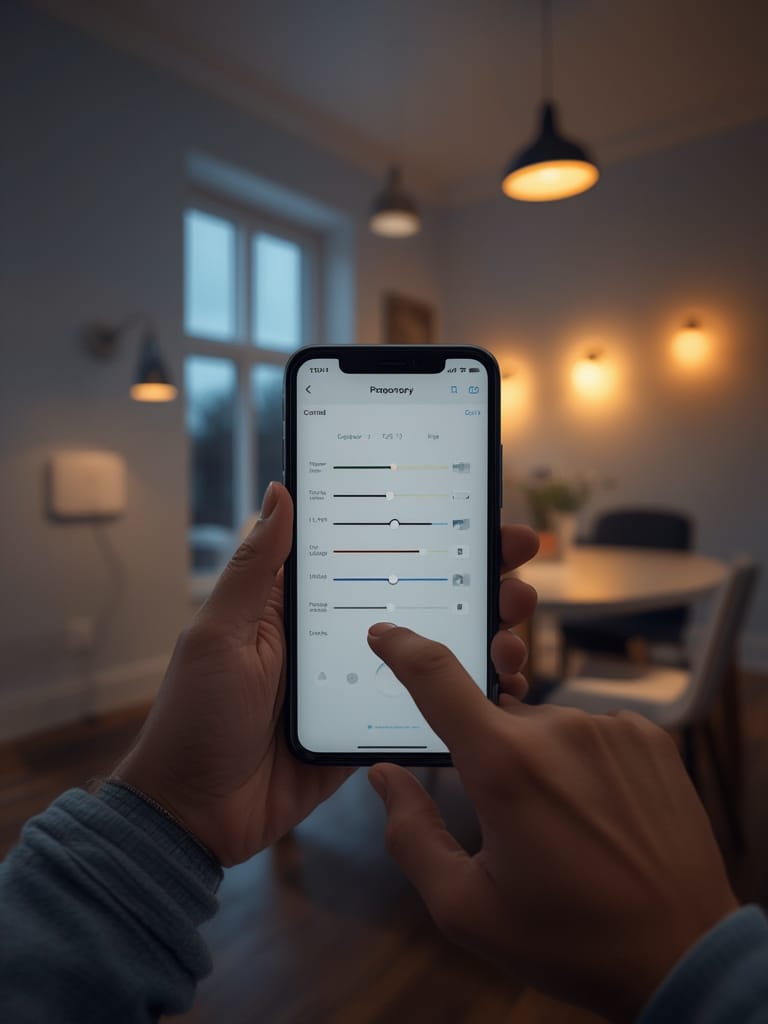
For specific rooms—like home offices or kitchens—install smart bulbs with fine-tuned control. In places sensitive to sleep, such as bedrooms, prioritize settings that eliminate blue content entirely at night.
Don’t overlook interoperability and app reliability. Future standards like Matter make it easier to mix-and-match brands. For detailed steps on setting up a cross-platform smart home, check out our Matter Protocol guide.
3. Advanced Analysis & Common Pitfalls
While benefits of Circadian Light are scientifically proven, most real homes face stubborn, practical issues. Here’s what users and buyers actually encounter:
- Setup Complexity: Many “rhythm” lighting systems have clunky apps, rigid scheduling, or only offer color temp presets. Non-technical users may struggle with advanced scene setup.
- Lack of True Spectrum Control: Manufacturers often claim “circadian” benefits but do not disclose specific blue wavelength suppression, or only shift CCT (color temperature) which is not biologically precise (source).
- Compatibility Issues: Bulbs and hubs may not sync with Apple/Google/Amazon systems, or lose connection. Those with complex setups will need to consult compatibility lists. See benefits of Matter protocol and predictive home automation for options.
- Price & ROI: True spectrum-shifting bulbs and multi-zone kits cost more than basic LED smart bulbs. There are hidden costs—bridges, subscriptions, installation, and mobile access fees.
- Gaps in Product Selection: Less than 0.5% of current bulbs actually provide dynamic, spectral control. Many products marketed for “circadian health” offer only basic dimming or timer features.
- No Personalization: Scientific consensus confirms there’s high individual variation in sensitivity, but almost no products offer personalized setup during onboarding (source).
- Sun Sync Inaccuracy: Some bulbs claim “natural rhythm” adjustment but use fixed presets or slow response times rather than actual sunrise/sunset tracking. Look for “real-time” or geo-enabled features.
- No Proven Long-Term Health Data: The leading researchers themselves note a lack of robust long-term health outcome studies—even though short-term sleep benefits are clear (source).
| Feature | Typical LED Smart Bulb | HomeKit / Tunable White Bulb | Full Circadian Solution |
|---|---|---|---|
| Dynamic Color Shift | No | Basic CCT Presets | Automated, continuous spectrum |
| Blue Wavelength Suppression (460–495 nm) | No | Limited | Full, programmable |
| Scheduling | Manual or basic timer | App/Assistant scenes | Sunrise/sunset, geo-aware, adjustable |
| Personalization | No | Limited | Experimental or absent |
| Integration (Smart Home) | Basic Alexa/Google only | HomeKit, Alexa, Google, Matter | Often requires hub, sometimes limited |
| Cost per Bulb | $8–$16 | $20–$45 | $40–$120+ |
Most users gain practical benefits and simple improvements using basic tunable bulbs and good schedules—but only advanced, spectrum-specific systems achieve true biological alignment.
It’s worth learning from related products: if you want predictive automation, there’s rising interest in autonomous smart home features that “learn” routines.
4. Conclusion
Circadian Light is a promising, research-backed method for improving sleep and focus by controlling both the color and intensity of indoor lighting. Scientific consensus has shown its value, but real-world implementation comes with caveats: high costs, tricky setup, spotty personalization, and often-misleading marketing. For most, starting with smart bulbs and simple schedules delivers quick gains; for full biological benefits, seek spectrum-specific lighting as the tech matures. Continue following the latest in circadian science and explore trusted platforms like HomeKit, Matter protocol, and tunable bulbs to get the most out of your Circadian Light journey.
Ready to try? Begin with one room, set up morning and evening light routines, and track your results—small changes can have profound effects.
5. FAQ
Does every smart bulb support true circadian lighting?
No. Most smart bulbs only offer basic color warmth or manual schedules. Only certain products offer spectrum-shifting features in the key blue light range (460–495 nm).
What is the most important time to block blue light for sleep?
The 2–3 hours before your bedtime is most critical. Exposure to blue light in this window can delay sleep onset and suppress melatonin.
Can I use blue light blocking filters instead of new bulbs?
Yes. Clip-on blue light blocking filters or “night mode” glasses are quick alternatives if you can’t upgrade bulbs immediately.
Is Matter protocol important for circadian lighting setups?
If you use multiple brands or platforms (Apple, Google, Alexa), Matter protocol greatly simplifies compatibility and automation.
Do different people need different circadian lighting?
Yes. Sensitivity to blue light and circadian rhythms vary widely. Ideally, lighting should be personalized, but this is rarely available in current products.