

Bone Conduction headphones are rapidly reshaping how athletes, swimmers, and tech enthusiasts experience audio while balancing environmental awareness with personal listening. Whether you’re choosing these devices for safety or dealing with comfort concerns, knowing the facts behind the tech lets you make smarter choices.
Key Takeaways
- Bone conduction headphones own a growing niche, projected to reach up to $13.88 billion in market size by 2035, driven by rising sports and medical use.
- While providing situational awareness, users report drawbacks like discomfort during long wear and limited verified data on waterproofing and technical performance.
- Major brands such as Damson Audio, Audio Bone, and INVISIO share leadership of this evolving market, but direct feature and satisfaction comparisons remain scarce.
The Core Concept: What Is Bone Conduction and Why Consider It?
Bone conduction is an alternative audio technology that transmits sound vibrations through your cheekbones directly to the inner ear, bypassing the eardrums. This method is especially valuable for those with certain hearing impairments, as well as athletes and outdoor enthusiasts who need to stay alert to their environment. Unlike classic in-ear or over-ear headphones, bone conduction headphones keep your ears open—helping you hear traffic, conversations, or safety cues while you listen to music or podcasts.

Thanks to this open-ear advantage, bone conduction headphones see particular adoption among runners, cyclists, and swimmers, offering audio without blocking out background sounds completely. The technology is also gaining attention for use with hearing protection and in job settings where awareness is crucial.
For more about audio technologies transforming smart homes and devices, see our analysis of Matter compatible devices and how smart protocols enhance the connected experience.
Step-by-Step Guide: Maximizing Your Bone Conduction Headphone Experience
Selecting and getting the best use from bone conduction headphones requires a practical, research-backed approach. Here’s how to optimize your listening for sports, work, and safety.
- Define Your Primary Activity: Are you running or cycling outdoors, swimming, or needing situational awareness at work? Different use cases require different models and features.
- Review IP Rating and Battery Specs: For water or sweat-heavy activities, choose the highest IP-rated model available—ideally IPX7 or higher for water exposure. Battery life should cover your typical session plus a buffer.
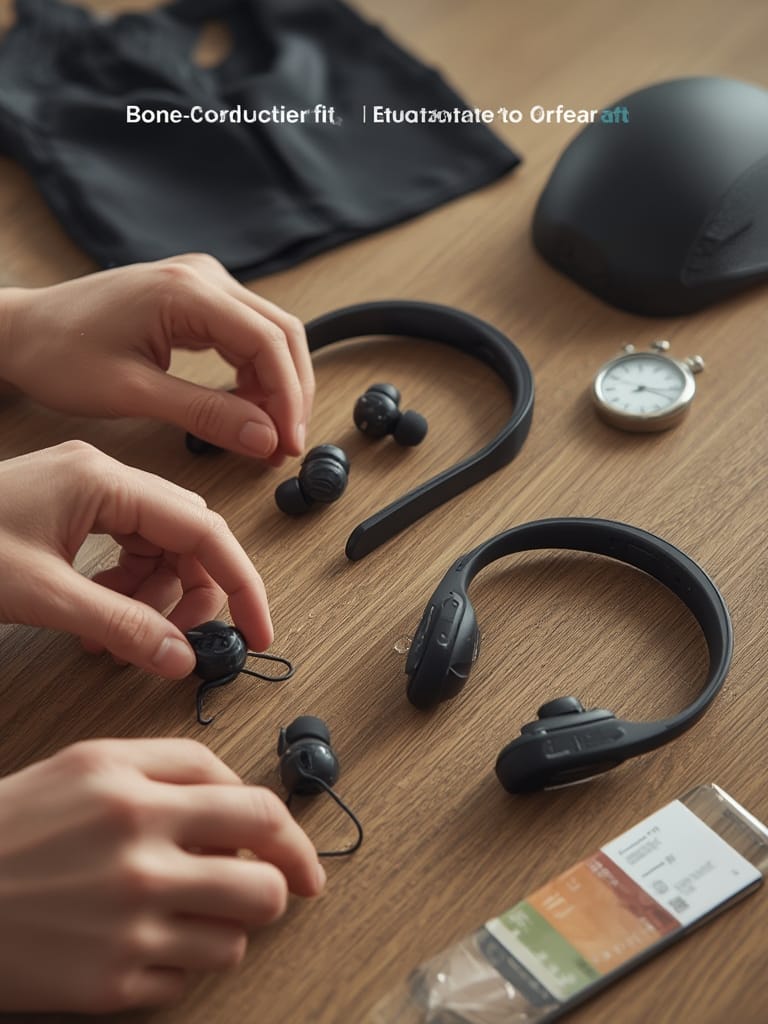
- Test Fit and Comfort: Discomfort is the most common complaint, affecting about 12% of users. Always try for a secure fit that doesn’t pinch or press excessively on your jaw or cheekbones. Newer models emphasize adjustable bands or silicone pads for better comfort.
- Check for Open-Ear Awareness: Confirm that environmental sounds are genuinely audible during use. If the headphones’ vibration is overwhelming, try adjusting volume or fit.
- Assess Connectivity and Compatibility: Bluetooth is standard, but note that it rarely functions underwater—plan for built-in MP3 storage for swim models.
- Look for Reputable Brands: Stick with veterans like Shokz, Damson Audio, or INVISIO, and compare warranty/support terms as well as advanced features.
- Read User Reviews Carefully: Focus on long-term comfort, battery degradation, and experiences from users who match your own activity level.
For smart home fans, you might like our deep-dive on AI cooking appliances with food recognition—perfect for athletes looking to optimize nutrition as effortlessly as their workouts.
When swimming, remember most Bluetooth connections do not work underwater. If swimming is a core use-case, prioritize headphones with built-in MP3 storage, and confirm their waterproof rating (IPX7 or higher is standard; IP68 is rare).
For more smart wellness upgrades, check out our recommendations for a WiFi blood pressure cuff—a great pairing with your athletic tech routine.
Advanced Analysis & Common Pitfalls
What do the research and real-world data actually say?
- Market Growth vs. Market Share: Bone conduction is a fast-expanding segment, but its share of the total headphone market remains niche, with key players like Damson Audio, Audio Bone, and INVISIO holding roughly 30% of the segment. Projections estimate the global bone conduction headphone market will reach up to $13.88 billion by 2035. Alternative estimates range from $1.4 billion in 2024 to $2.6 billion by 2032, depending on the source (source).
- Comfort and Fit: Roughly 12% of users cite discomfort with longer sessions, reporting pressure on jawbones or ear fatigue. This can limit long-term adoption—especially for marathon runners and swimmers (source).
- Technical Gaps vs. Classic Headphones: Unlike in-ear rivals, there’s little published data on frequency response, latency, or battery endurance by model. Many products tout water resistance, but explicit submersion ratings (like IP68) are seldom proven by independent testing, especially for swim use.
- Situational Awareness and Safety: While bone conduction is marketed for improved outdoor awareness, there are currently no studies or data-backed evidence showing accident reduction among users. Benefits are mostly anecdotal.
| Brand | Market Role/Notes | Features/Prices/Ratings Data |
|---|---|---|
| Damson Audio | Top player, ~30% collective share with peers (source) | None available |
| Audio Bone | Leading player in global market (source, source) | None available |
| INVISIO | Military & commercial applications, ~40% of segment (source) | None available |
| Motorola | Top player (source) | None available |
| Others (NINEKA, etc.) | Notable competitors (source) | None available |
Gaps in Current Market Data and Reviews
- Little is reported about long-term hearing health impacts, either risks or benefits, for regular bone conduction headphone users.
- Innovation in fitting and comfort for activity-specific use (e.g., running versus swimming) is underreported.
- Direct technical comparisons (frequency response, battery, latency) with classic sports headphones are unavailable in public research.
- Accident reduction and situational-awareness stats are not validated in studies.
- Fully waterproof swim models with proven IP68 ratings and Bluetooth functionality underwater are not common or documented with real-world tests.
If smart pet tech is your thing, explore anxiety solutions with the smart anxiety vest for dogs using haptic feedback—where bone conduction concepts inspire animal wellness, too.
Conclusion
Bone conduction is a growing technology designed for those who value both safety and awareness—especially during sports. The major pros include open-ear listening and rapid niche growth. The main drawbacks are around fit, sound quality limitations, and unclear real-world technical specs compared to classic brands. If you are considering bone conduction headphones for your next upgrade, weigh your priorities, and look for emerging brands investing in comfort innovation and true, independently-verified specs.
Ready to try bone conduction tech for your active lifestyle? Research, compare, and choose confidently. Explore more next-gen wellness and home tech at Simple Home Reviews—a smarter ear is just the beginning.
FAQ
Are bone conduction headphones safe for daily long-term use?
Current research does not indicate major hearing risks for daily use, but discomfort from prolonged pressure can affect up to 12% of users. Monitor for jaw or skin discomfort and switch models if irritation develops.
Can you use bone conduction headphones underwater for swimming?
Most bone conduction headphones use Bluetooth, which rarely works underwater. For swimming, select models with built-in MP3 storage and high IP ratings (IPX7 minimum)—very few models are truly IP68 rated per independent sources.
How do bone conduction headphones compare with traditional headphones for sound quality?
Bass and audio detail are typically less pronounced compared to in-ear or over-ear headphones. They trade pure sound fidelity for environmental awareness and ear health.
What brands compete with Shokz in the bone conduction segment?
Major competitors include Damson Audio, Audio Bone, INVISIO, Motorola, NINEKA, and more. Detailed feature comparisons are limited, so user reviews and direct trials are recommended.
Does bone conduction technology help prevent accidents while running or cycling?
There is no published data confirming accident reduction. However, bone conduction headphones are designed to keep your ears open to surrounding sounds, theoretically improving situational safety.