

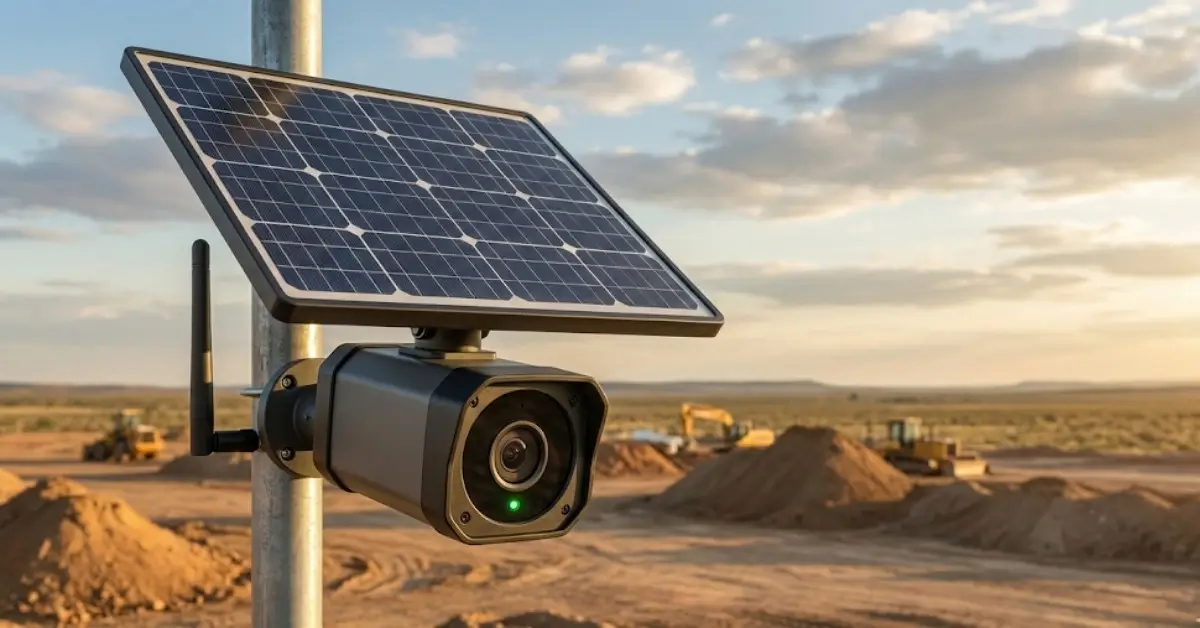
Solar Security solutions are transforming how we protect remote job sites, properties, and areas without grid access—offering cellular-connected cameras that don’t need wires or Wi-Fi. If you’re evaluating solar security for construction, rural, or off-grid assets, this guide will give you clear pros, cons, action steps, and overlooked pitfalls based on the latest 2024–2026 data.
Key Takeaways
- The solar security camera market is rapidly expanding for off-grid and construction use, but real-world reliability depends on weather and setup.
- Installation is easier and more cost-effective than traditional wired systems, but recurring cellular data and battery/weather issues are often underestimated.
- Choosing the right system means scrutinizing specs, data plan costs, and local storage security—details many guides gloss over.
- What Is Solar Security and Why Is It Growing?
- Step-by-Step Guide to Installing Solar Security Solutions Off-Grid
- Advanced Analysis & Common Pitfalls
- Conclusion
- FAQ
What Is Solar Security and Why Is It Growing?
Solar security refers to surveillance systems powered by solar panels, often with 4G/LTE/5G cellular connectivity for locations lacking power and Wi-Fi. These are a top choice for construction sites, rural properties, and off-grid applications due to their independence and scalability.
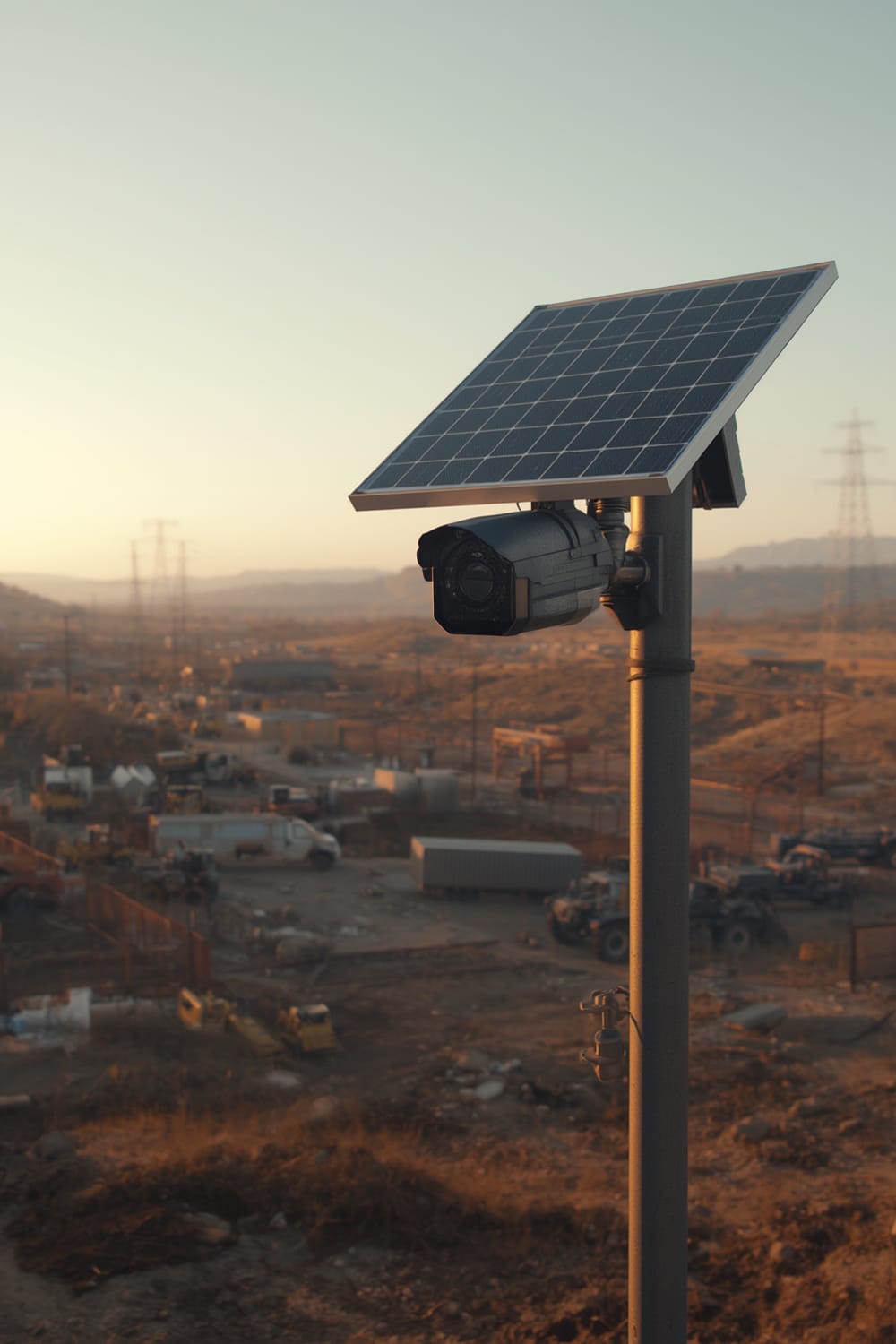
Between 2024 and 2026, the global solar security camera market is projected to grow at a compound annual rate near 17–19%, reaching over USD 10 billion by 2035 (source). North America alone accounts for over a third of the market, fueled by the need for energy-efficient and mobile surveillance where no grid exists.
Residential use dominates (nearly 47%), but small and medium businesses—especially those with job sites or temporary facilities—are the fastest adopters. Off-grid security needs and the rollout of 4G/5G networks are key drivers, enabling real-time monitoring miles from the nearest outlet.
Most modern solar security cameras feature high-resolution sensors (many 2K/4K), rechargeable batteries, robust night vision, motion alerts, local/SD/cloud storage, and smart detection. fixed solar-powered models are preferred for stability, and DIY installation is routine (market research).
For homeowners and businesses seeking reliable protection for garages, construction sites, or even remote animal enclosures, solar security is often the only viable and affordable option.
Related: Explore our review of smart rings for sleep tracking for site managers working long hours in the field.
Step-by-Step Guide to Installing Solar Security Solutions Off-Grid
- Assess Your Site Requirements
- Identify key entry points, assets, and typical incident risks (theft, vandalism, trespass, wildlife).
- Measure daylight hours and estimate seasonal sunlight (account for shade, fog, and winter clouds).
- Choose the Right Camera Hardware
- Prioritize fixed solar-powered models for wind/exposure resistance. Select at least 2K video; 4K for high-value or large areas.
- Check for LTE/4G/5G cellular compatibility for true off-grid coverage. Review SIM/data plan options and costs (see more below).
- Evaluate solar panel and battery ratings—opt for oversized panels (5W–10W+) and large battery capacity (10,000 mAh minimum) to withstand cloudy stretches.
- If you require multiple zones, consider modular systems with hub integration or multi-cam bundles.
- Prepare Mounting & Placement
- Position solar panels at a south-facing, shade-free angle (25–45 degrees for most North American locations).
- Secure mounting—avoid vibration and wind wobble, especially for construction sites. Use vandal-resistant brackets.
- Aim cameras to prevent lens flare, avoid obstructions, and ensure a clear sightline to every protected area.
- Configure Cellular and Storage Settings
- Install SIM card and activate cellular service; test upstream signal (especially on large or rural sites).
- Set up local SD card storage with at least 32GB; consider cloud backup for sensitive or irreplaceable video.
- Apply two-factor authentication and strong admin passwords to cloud/app portals.
- Test Night Vision & Motion Detection
- Walk test zones at night—check that IR illumination or floodlights cover your area and don’t overexpose the image.
- Fine-tune motion sensitivity to reduce false alerts from wildlife, wind, or moving shadows.
- Maintain and Monitor
- Schedule quarterly checks for panel soiling (dust, snow, leaves). Monitor battery health stats in app if available.
- Review stored footage regularly, and ensure data plans do not run out or throttle unexpectedly.
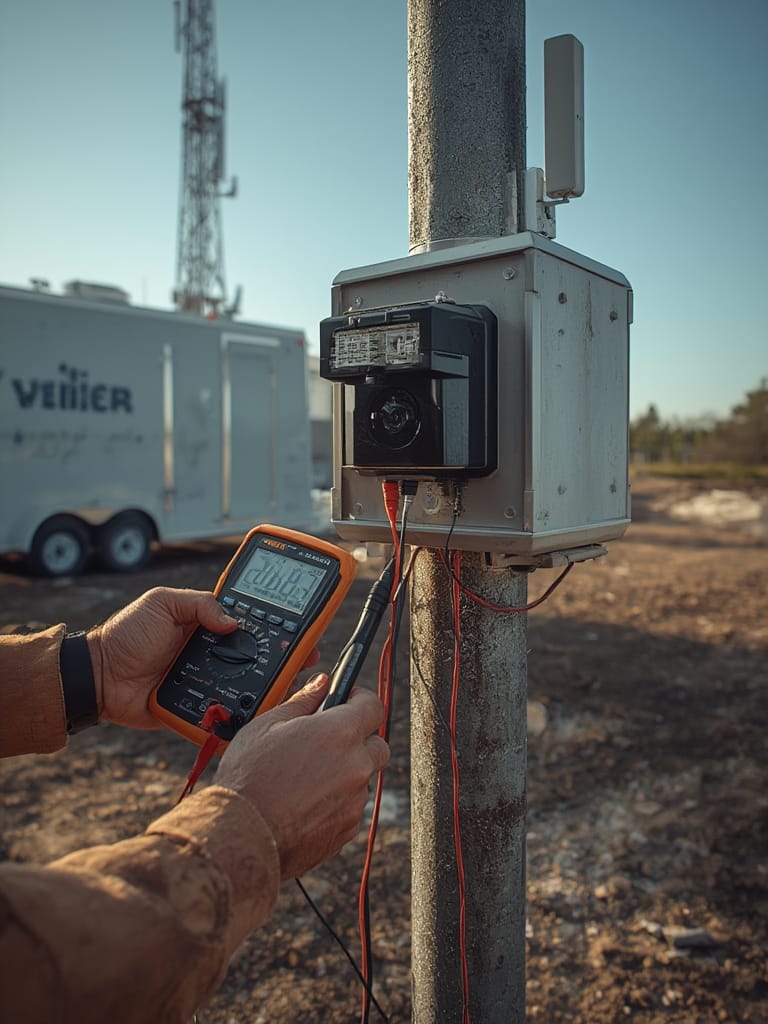
For complete site automation, integrate your alerts with a Matter-compatible home automation hub or link up with remote presence detection (mmWave presence sensors for vehicle or personnel tracking).
Pairing a solar camera with a solar lighting system provides better night coverage. Consider using a standalone WiFi monitor if power becomes available in the future, for additional asset visibility.
Advanced Analysis & Common Pitfalls
While solar security is a compelling solution for off-grid protection, several practical issues are consistently overlooked—and have led to negative user reviews or costly failures in the field.
Common Pitfalls Overview
- Weather Vulnerability: Extended periods of rain, snow, or shade will reduce solar charging. This can cause battery depletion and missed footage (see research).
- Data Plan Surprises: 4G/LTE/5G-based models require monthly data plans—costs increase with high-res or 24/7 recording. Most brands don’t clarify these recurring fees up front.
- Battery Performance in Cold/Heat: Extreme cold or heat degrades battery life, sometimes halving operating time or causing total failure below freezing.
- Physical Security: Solar panels and cameras themselves may become theft targets, especially on unattended job sites.
- Local Storage Vulnerabilities: SD cards are susceptible to tampering or theft—without cloud backup, crucial footage can be lost.
- Image Quality and Latency: Not all cellular links are equal—rural/remote sites may suffer lag or lower-than-advertised video quality, especially at night.
Cost Comparison: Solar Cellular vs. Wired Security Systems for Off-Grid Sites
Direct price breakdowns are rarely published, but here’s a realistic, scenario-based comparison:
| Factor | Solar Cellular Camera (Off-Grid) | Traditional Wired System (Off-Grid) |
|---|---|---|
| Power/Wiring Needs | No grid; solar panel(s) included, fully wireless | Requires grid/power line; runs wire/cabling |
| Installation Labor | DIY (mounting only), minimal tools | Professional (trenching/cabling); higher labor cost |
| Hardware Cost (per camera) | $200–$400 (solar panel, battery, LTE module included) | $150–$300 (camera only; additional wiring and power sources required) |
| Recurring Costs | $5–$25/month per camera (cellular data plan for alerts or cloud recording) | None for wired, but possible cloud storage/subscription fees |
| Spares/Maintenance | Replaceable battery/panel; site visits for cleaning/panel issues | Service calls for wiring faults; less frequent but often more costly |
| Mobility/Flexibility | Highly portable, quick redeployment on job sites | Stationary; difficult/expensive to move coverage area |
Bottom line: Solar cameras are usually lower-cost and faster to deploy for jobs without power, but hidden recurring costs (data plans, battery replacements) can add up. Many users do not budget for these or plan for winter outages. For alternate energy monitoring, see our smart plug reviews with energy monitoring.
Specs: What Distinguishes Top Solar Security Cameras in 2024?
- Resolution: 2K is now standard (required for license plates/faces); 4K premium for wide areas (source).
- Night Vision: 20–30 meter IR range or integrated floodlights (e.g., Arlo Pro 3 Floodlight, 3000-lumen flood).
- Cellular: Full US/EU 4G/LTE bands; check SIM compatibility and data plan flexibility.
- Solar Panel: Market research does not consistently specify wattage, but 5–10W minimum for reliable off-grid operation is recommended.
- Battery: High-capacity lithium (10,000mAh+) preferred, but consider a portable power station backup during winter outages.
- Motion Detection: PIR and AI-driven models reduce false triggers.
Missed Opportunities: Local Storage Security & Regional Compliance
Few guides address SD card theft or region-specific privacy/installation rules. Always use secure mounts/casing and consult local ordinances or GDPR-equivalent standards abroad. For high privacy needs, a mechanical privacy shutter can help manage risk when surveillance isn’t needed.
Conclusion
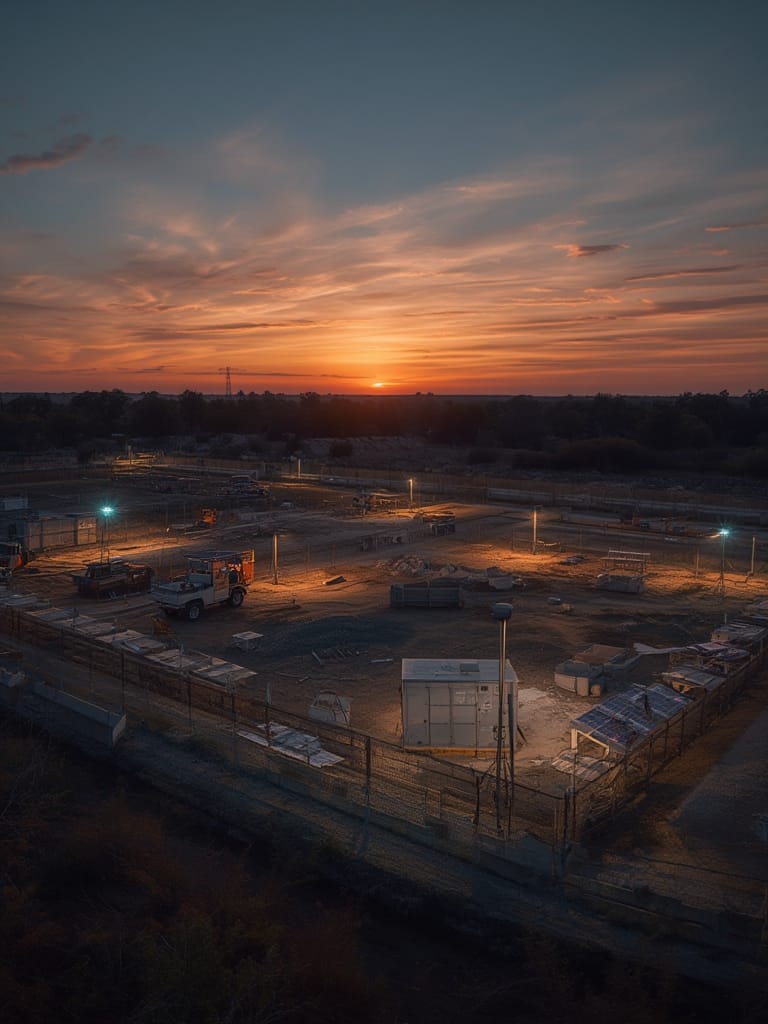
Solar security is a powerful, rapidly maturing solution for off-grid and construction security—combining wireless cameras, robust battery-solar design, and real-time cellular alerts. However, its ultimate reliability depends on careful planning for weather, battery sizing, cellular fees, and on-site storage risks. If you want a seamless installation and reliable video, don’t forget to oversize your hardware, budget for data, secure your storage, and check for local compliance. Embrace the future of solar security by choosing the right system now—your assets depend on it. Ready to secure your remote sites? Explore top solar security cameras and start your off-grid protection today.
FAQ
How do solar security cameras work without Wi-Fi or grid power?
They use built-in solar panels and batteries for power, and send video/alerts via 4G/LTE or 5G cellular networks. This means no need for traditional electricity or Wi-Fi connections.
What happens to solar cameras during several cloudy or snowy days?
Low sunlight reduces charging, which can drain batteries and create video coverage gaps. Always choose an oversized panel/battery for your climate and have a backup plan for critical areas.
Are monthly fees required for solar security systems?
If you use cellular connectivity for video transmission or cloud storage, expect to pay $5–$25 per month per camera—fees vary by provider and usage level.
Are there privacy laws or rules about off-grid camera usage?
Local rules vary—some regions require signage or registration for surveillance. In Europe, GDPR applies. Always check local requirements before installing cameras, regardless of solar or wired setup.
How does solar camera image quality compare with wired alternatives?
Modern solar cameras offer comparable 2K/4K video, but cellular bandwidth and battery-saving settings may reduce sharpness or frame rate, especially in remote areas. Wired cameras deliver the highest, most stable quality when power is available.