

Outdoor Plug installations have become a must for homeowners looking to control garden lighting, pool pumps, or patio appliances without running outside in harsh weather. With the rise of both smart home adoption and demanding outdoor scenarios, understanding what matters in outdoor plugs—beyond simple weatherproof claims—can save you time, money, and unexpected headaches.
Key Takeaways
- Outdoor plug demand continues to surge, led by smart home adoption and seasonal needs like pool automation and holiday lighting.
- Not all outdoor plugs are truly reliable in harsh weather, and high price doesn’t always mean better durability.
- Choosing the right outdoor plug depends on IP ratings, electrical capacity, and compatibility with your chosen smart ecosystem—including Matter protocol support.
- The Core Concept: What is an Outdoor Plug and Why Do You Need One?
- Step-by-Step Guide: How to Set Up and Optimize an Outdoor Plug
- Advanced Analysis & Common Pitfalls
- Conclusion
- FAQ
The Core Concept: What is an Outdoor Plug and Why Do You Need One?
Outdoor plugs are ruggedized electrical outlets or smart adapters designed specifically for use outside. They allow you to control devices such as landscape lighting, garden fountains, pool pumps, holiday decorations, and security cameras from your phone or voice assistant. Weatherproofing and electrical safety are critical in these scenarios, as outdoor conditions introduce rain, dust, and wide temperature swings.
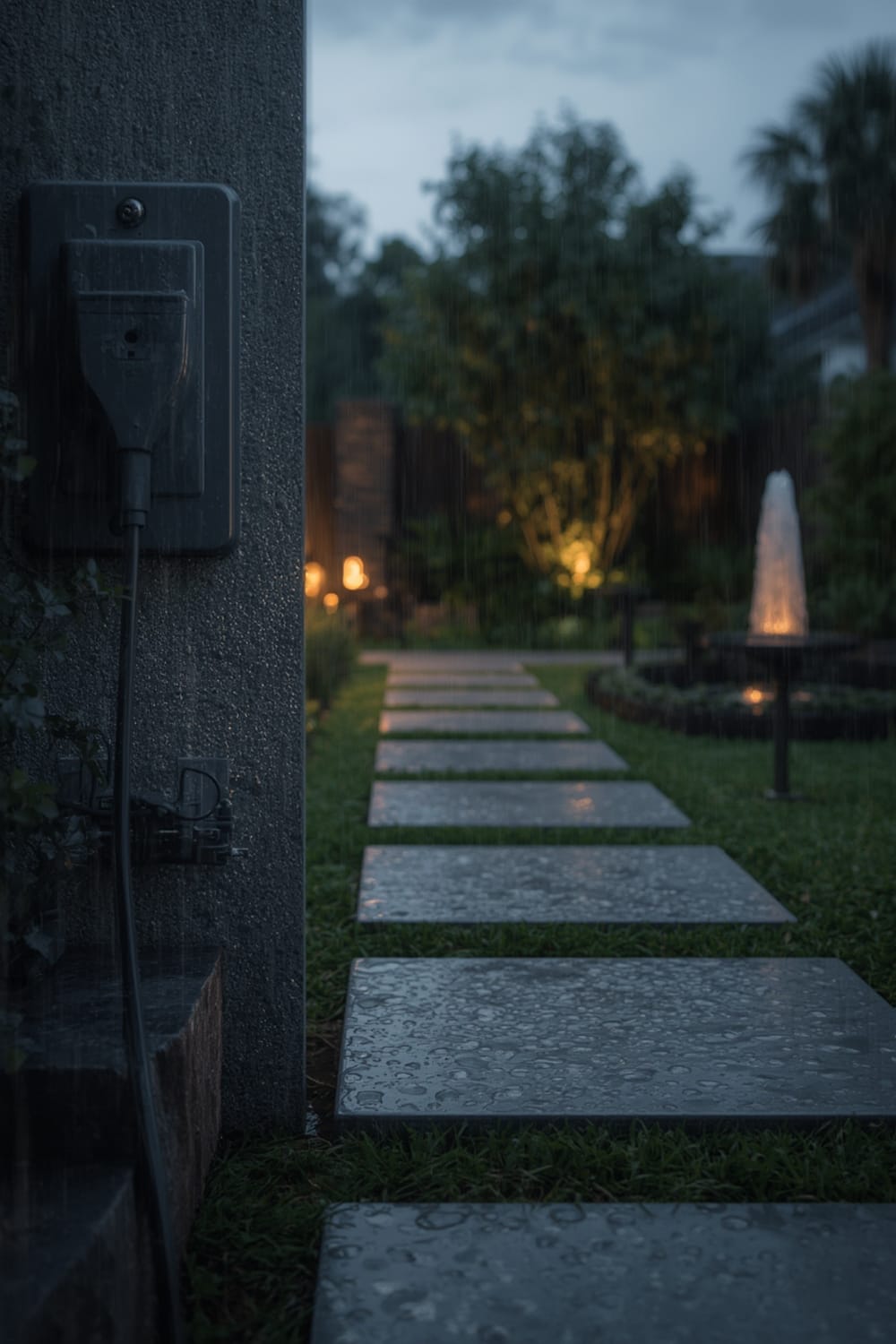
Demand for robust outdoor plugs is growing every year, driven by growing interest in smart home integration. For example, despite no published stats specifically on outdoor plug penetration in homes, global residential smart plug adoption has surged to 73% in 2024—much of this is tied to surge protectors, Wi-Fi plugs, and smart outlets making their way outside. [source]
If your outdoor area has ever faced extension cord chaos, unreliable timers, or unsafe “DIY rain covers,” a purpose-built outdoor plug is the upgrade you need.
Curious about broader smart home standards? The new Matter Protocol solves many compatibility headaches when mixing Apple, Google, and Amazon devices. Matter compatibility is increasingly available in premium outdoor plug models.
Step-by-Step Guide: How to Set Up and Optimize an Outdoor Plug
Whether you’re automating a pool pump or simply want your patio lights to come on at sunset, follow these steps to ensure your outdoor plug works reliably all year.
- Choose the Right Outdoor Plug
- Look for IP65 rating or above for best weather resistance. The TP-Link Tapo P400M is an affordable, recent example with this rating.
- Prioritize plugs rated for at least 10A if you’ll be running pumps, heaters, or multiple lighting zones.
- If you want powerful automation and voice control, pick a plug compatible with your platform (Alexa, Google, Apple). See our Matter compatible devices list for models that bridge across platforms.
- Placement and Installation
- Position the plug where it won’t sit in standing water. Mount vertically on a wall when possible. Use weatherproof covers for outlet boxes.
- Ensure the plug’s Wi-Fi range can reach your home router. TP-Link and others now offer 300-foot ranges, but real-world obstacles may reduce this range.
- If mounting away from the house, look at LoRa-enabled solutions. Our long range motion sensor guide discusses alternative wireless approaches.
- Connect and Configure
- Download your plug’s app, or use a voice assistant (Alexa/Google). Setup usually involves scanning a QR or entering device codes.
- For advanced scenes, group with other outdoor lights or timers using the app—check if your plug or app supports routines, geofencing, or sunrise/sunset triggers. Matter protocol can simplify integration across brands.
- Test the connection before buttoning up your installation. Confirm reliable remote on/off and schedule automation through the app.
- Maintain and Monitor
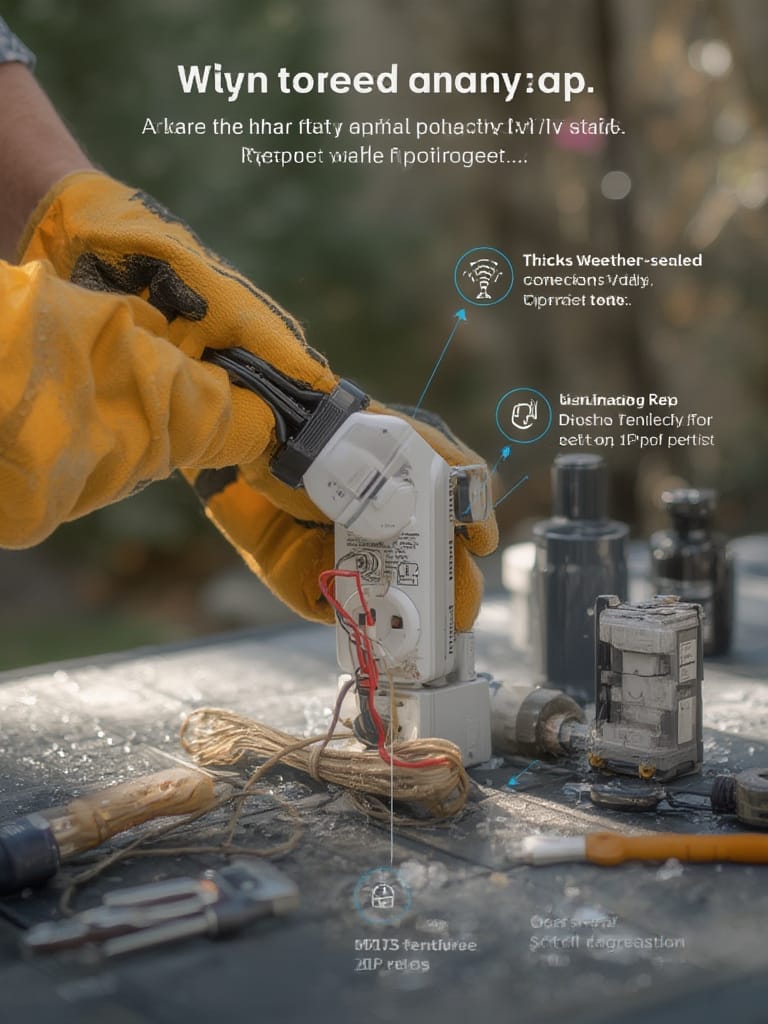
- Check the plug monthly for visible water intrusion, corrosion, or Wi-Fi drops—especially after storms.
- If you’re running a pump or heater, occasionally check the plug’s temperature during use; heavy-duty plugs may still overheat if overloaded.
Want more powerful automations? Explore predictive home automation via Agentic AI for scenarios where your lights and pumps act without manual input.
Advanced Analysis & Common Pitfalls
Market data shows a dramatic increase in outdoor plug options, but not all products are equal. Price is not a reliable indicator of durability or intelligence. Some premium plugs add little value beyond extended warranty or a fancier app.
| Feature | Typical Outdoor Plug | TP-Link Tapo P400M (2024) |
|---|---|---|
| Price (2024) | $20-45 | $17.99 |
| IP Rating | IP64-IP65 | IP65 |
| Maximum Amps | 10A (typical) | 10A (segment) |
| Wi-Fi Range | 100-200 feet | 300 feet (dual 2.4GHz) |
| Matter Compatible? | Rare (emerging in 2024+) | Yes |
| Dimmable? | No (no models reported in 2024) | No |
| Voice Assistant Support | Alexa/Google (most) | Alexa/Google/Apple (Matter) |
- Weatherproof claims are not universal. The actual ratings vary by manufacturer. For all-season reliability, look for IP65, not simply “weather resistant.”
- High-power pump or heater compatibility is limited. Even “heavy duty” plugs typically max out at 10A—less than many expect. Plugging in a commercial pump or pool pumps can overload mainsteam smart plugs.
- Matter compatibility is still new outdoors. Few outdoor models (as of 2024) support the Matter protocol. Without it, cross-platform routines are clunky.
- No industry data on lifespan or warranty claims. There’s little transparency on how long outdoor plugs last or what failures are truly covered by warranty. This is a risk if you’re automating equipment critical for safety or property protection.
- No dimmable outdoor smart plug models reported in 2024. If you want dimming, look to indoor smart dimmer modules instead.
- User complaint data is sparse. Market reports don’t document failure rates or user frustrations with harsh weather, but anecdotal reviews often mention Wi-Fi dropouts in wet environments and mechanical failure after repeated freeze-thaw cycles.
If integrating outdoor plugs with advanced systems—such as energy dashboards or BBQ grill Wi-Fi controllers—ensure the plug can handle continuous loads and isn’t just optimized for low-power lighting.

Conclusion
Outdoor plug technology is keeping pace with the broader smart home boom, but not all products deliver equal safety, reliability, or intelligence. Always choose a plug with sufficient weatherproofing and capacity, and verify smart compatibility—especially if you plan to use advanced cross-platform features through the Matter protocol. The right Outdoor Plug can transform how you manage garden spaces year-round. Choose wisely, install safely, and explore advanced automations to get the most from your outdoor ecosystem.
Ready to upgrade? Audit your current outdoor outlets and check if they need safer, smarter, or more weatherproof solutions—and don’t hesitate to try a Matter-compatible plug for future-proofing.
FAQ
What is the minimum IP rating for an outdoor plug?
Look for IP64 or IP65 minimum. IP65 means full protection from dust and low-pressure water jets—ideal for rain and splash-prone setups.
Are there any outdoor smart plugs that support dimming?
As of 2024, no dimmable outdoor smart plug models have been reported. If dimming is essential, consider an indoor-rated solution or check future releases for updated features.
Do more expensive outdoor plugs guarantee better durability?
Not always. Pricing may reflect app features or branding, but market data does not prove that higher-priced models last longer. Check for proper waterproof ratings and third-party certifications instead.
Can I use an outdoor plug with heavy electrical loads like heaters or pool pumps?
Most consumer outdoor smart plugs max out at 10A. High-powered heaters or commercial pumps might exceed this rating—verify before connecting, or use a dedicated outdoor-rated relay or switch.
What warranties are available for outdoor plugs?
Manufacturer warranties vary and often lack clear coverage for specific failures like water ingress after extended outdoor use. Read the fine print and consider third-party surge protection.