

Noise Machine technology is rapidly becoming a must-have for anyone seeking real solutions to sleep disruption, environmental noise, or even managing a baby’s nap schedule from another room. For 2024, the best noise machines are more than basic devices; they are data-driven, app-connected, and offer advanced sound masking that truly improves sleep quality—if you know how to use them.
Key Takeaways
- Clinical studies confirm that both white and pink noise machines can improve sleep efficiency and minimize night-time disturbances, with pink noise emerging as superior for deep sleep quality.
- Smart noise machines now deliver features like app connectivity, custom sound profiles, and integration with wearables, but privacy and compatibility issues remain under-discussed.
- Long-term benefits are likely, but lack of robust 1+ year data means users should manage expectations for ongoing improvement and reliability.
- What Is a Noise Machine? Understanding the Science
- How to Choose and Optimize Your Smart Noise Machine
- Advanced Analysis, Pitfalls & Limitations
- Conclusion
- Frequently Asked Questions
What Is a Noise Machine? Understanding the Science
A noise machine is a device that generates controlled audio—such as white, pink, or brown noise—designed to mask unwanted environmental sounds and support uninterrupted sleep. Clinical evidence from a 2025 systematic review confirms that both white and masking noise machines significantly improve sleep efficiency, boost total sleep time, reduce latency and limit awakenings [source]. While traditional white noise machines deliver steady sound across all frequencies, newer smart models offer pink noise (a gentler, sleep-promoting option) and deeper brown noise, appealing to users needing customizable routines or advanced sound environments.
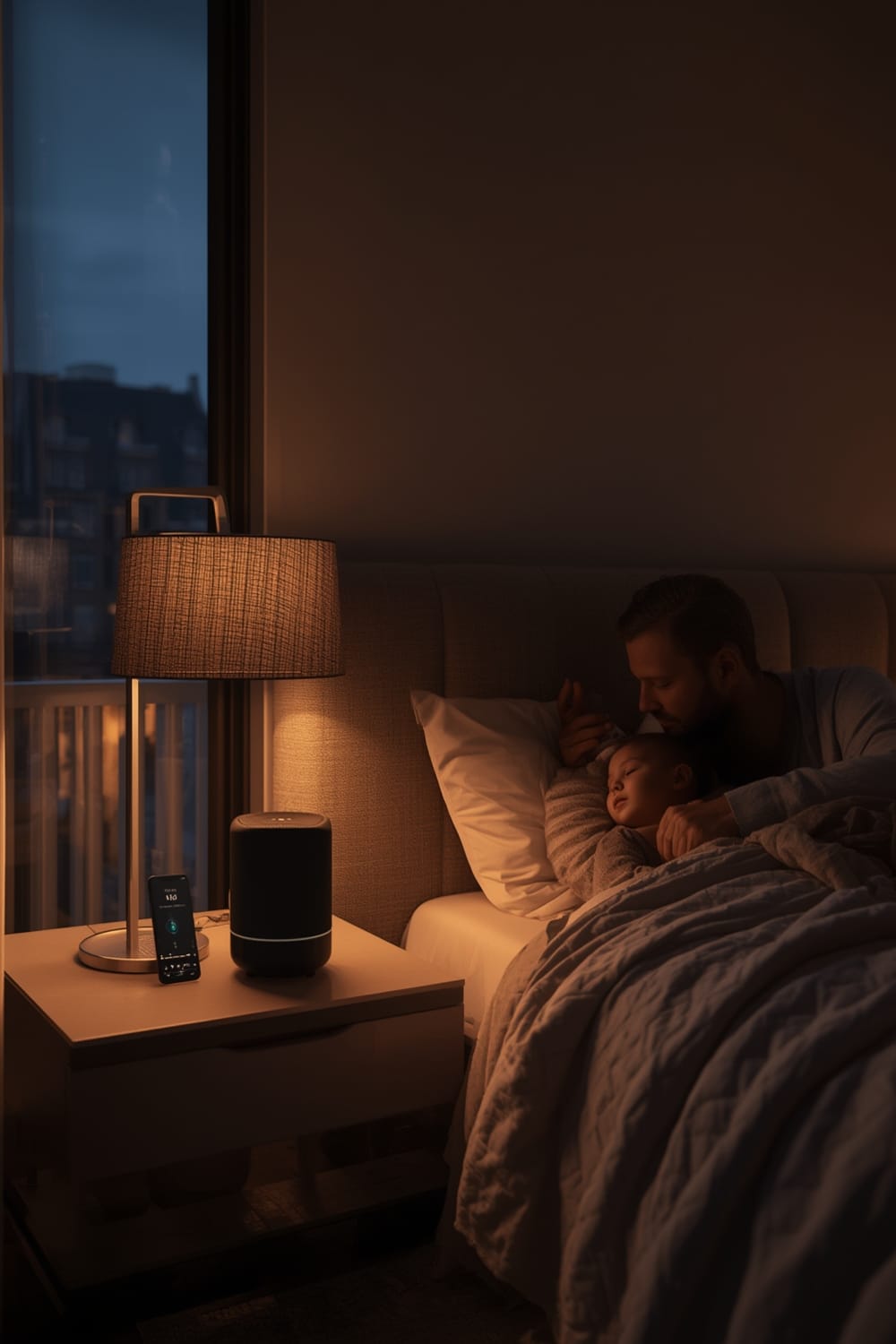
The benefits go beyond soothing sound. Smart noise machines now include cloud-based apps, compatible with wearables and voice assistants, empowering users to personalize schedules, automate for travel, or even maintain sleep routines for babies from another room.
This convergence with the smart home—seen in products like Matter compatible devices—is rapidly defining what sets today’s top noise machines apart. However, new features also introduce data privacy and compatibility challenges often overlooked in standard reviews.
How to Choose and Optimize Your Smart Noise Machine
Choosing a noise machine isn’t just about pressing play. With today’s technology, a few targeted steps will help you maximize both the effectiveness and the safety of your device.
- Define Your Sound Needs: Decide if your main priority is masking environmental noise (neighbors, traffic), improving sleep, or supporting a baby’s sleep from another room. If sleep quality is key, focus on pink noise or hybrid machines with proven clinical benefits [source].
- Demand Smart, Not Just Loud: Choose a device with reliable app control and customizable profiles. Compatibility with your smart home system—such as Alexa, Google Home, or Matter-supported platforms—prevents frustrating setup delays.
- Prioritize Privacy and Data Control: If the device uses an app, check its privacy settings. Some models integrate with health and sleep tracking apps—great for wellness data, but this means your audio patterns (and potentially more) may be shared outside your home. If privacy is non-negotiable, look for models with minimal cloud requirements or explore local storage options.
- Baby Sound Machines—Go Remote Carefully: Smart, remotely controlled baby sound machines allow parents to adjust settings from anywhere. While this is a game changer for convenience, keep in mind there are no robust studies or parent testimonials specifically on remote uses. For critical baby sleep routines, always test in-person before relying fully on remote-only control.
- Test for Real-World Masking Power: Many models overpromise, especially those relying solely on white noise. Real-world masking varies depending on room acoustics and device placement. Place your machine between your sleep area and the sound source, and experiment with different noise colors and volume levels to find what actually works in your home.
- Consider Portability for Travel: If you travel often, choose a machine with a strong app and offline/manual backup options. Many newer devices, inspired by smart tech like Portability for Travel, offer seamless switching between local and remote modes.
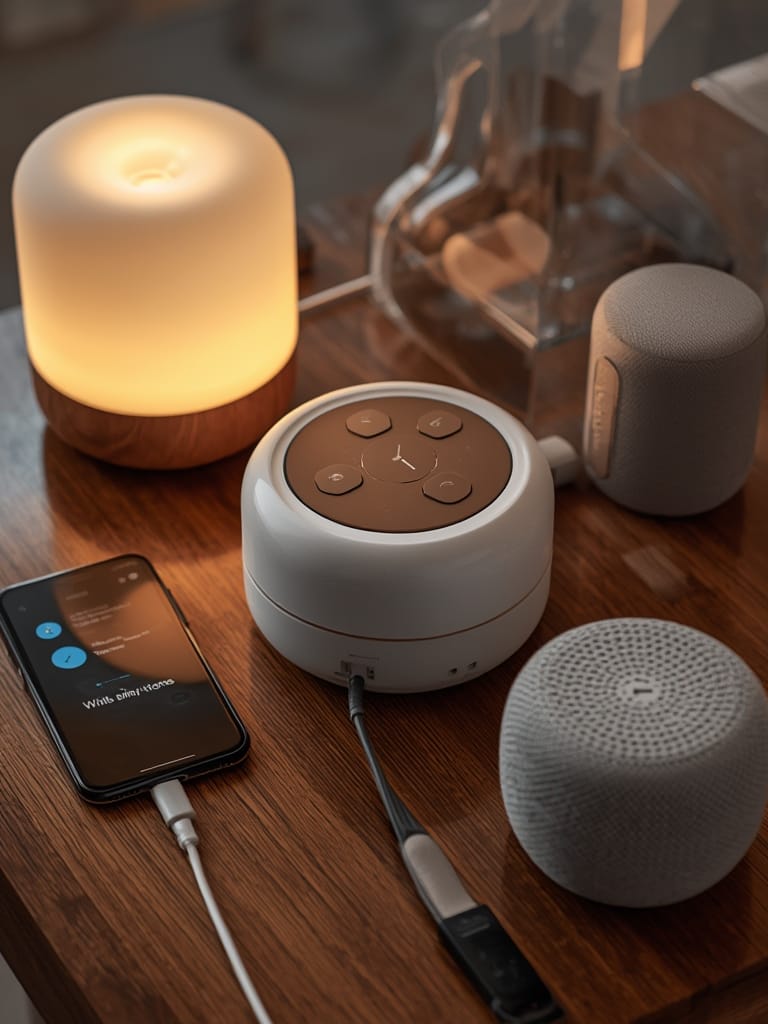
Finally, factor pricing into your decision. Most premium devices (with app control and true white/pink/brown noise) are available at higher price points, though 2024 reports do not specify typical USD ranges [source]. Invest in a machine with a consistent history of updates and customer support to avoid obsolescence—this applies across all smart home ecosystems, not just smart noise machines.
Advanced Analysis, Pitfalls & Limitations
Recent clinical studies highlight real improvements in sleep from noise machine use, but not every device delivers on its marketing claims. Here’s what to watch for—and what most competitor reviews ignore:
- Noise Masking Limitations: Only 38% of studies found white noise alone effective; pink noise had much higher success rates at 81.9%. If you experience persistent disturbances, try switching sound modes [source].
- Privacy Risks: Smart noise machines often require cloud connectivity or app accounts, meaning your sleep habits or even audio environments might be shared with third parties. Currently, these privacy issues are rarely transparent or discussed on retail sites.
- Compatibility Gaps: Not every noise machine integrates smoothly with all smart home systems. Standards like Matter protocol are helping, but app-wearable sync inconsistencies remain common for both noise and sleep-tracking automation.
- Parental Remote Use Evidence:** While convenient, remotely controlled baby sound machines lack robust testimonials or scientific backing for dependability—unlike products such as a dog anxiety vest or remote control pet toy, which see strong anecdotal support.
- Little Long-Term Data: There are no research results on sleep pattern changes or the dependability of noise machines over 1+ years. Most studies confirm initial and short-run benefits but do not confirm ongoing performance or adaptation risk [source].
| Feature | White Noise Machine | Pink Noise Machine | Brown Noise Machine | App-controlled Smart Machine |
|---|---|---|---|---|
| Noise Color | Flat, all frequencies | Gentle, less high freq. | Deep, bass-heavy | All colors, plus custom sounds |
| App Integration | Rare | Rare | Occasional | Standard, voice assistants |
| Wearable/Smart Home Sync | No | No | Sometimes | Yes, multi-device |
| Price (USD, 2024) | Budget | Mid-range | Mid-high | Premium |
| Long-Term Data | No 1+ year clinical or user data for any model or noise color | |||
Conclusion
Evidence-supported Noise Machine use improves sleep for many people, especially when leveraging advanced pink noise masking and smart home integration. However, users should weigh privacy settings, check device compatibility, and be realistic about long-term benefits. With mindful selection and configuration, a smart noise machine can be a reliable part of your healthy sleep toolkit. Ready to optimize your environment? Compare multi-modal options, automate your routines, and always check for ongoing app support to ensure your device doesn’t become the next “orphaned” gadget.
Frequently Asked Questions
Do noise machines actually help with sleep quality?
Yes, multiple clinical studies confirm that both white and pink noise machines improve sleep efficiency and reduce awakenings, especially in high-noise environments or hospital settings. Pink noise is even more effective for deep sleep.
Is there a privacy risk with app-enabled noise machines?
There can be. If your machine’s app stores data in the cloud, your sleep patterns and other usage info could be accessed by third parties. Always review privacy policies and consider local-storage models for maximum control.
How do smart noise machines differ from basic models?
Smart noise machines offer app connectivity, custom sound mixing, integration with sleep trackers or wearables, scheduling, and sometimes voice assistant support. Basic models usually just play one or two sounds and lack any remote or automated features.
What’s the difference between white, pink, and brown noise?
White noise contains equal intensity across audible frequencies, which can sound harsh. Pink noise reduces high frequencies for a gentler, natural tone that promotes deeper sleep. Brown noise emphasizes low frequencies, making it deeper and less sharp.
Is there long-term evidence for the benefits of noise machines?
Not yet. Most studies examine short-term improvements. There is little data on device dependability or user outcomes beyond a few months of use.