

Muscle Oximeter technology is reshaping how athletes track muscle oxygen saturation in real time, making it possible to fine-tune endurance training and recovery like never before.
Key Takeaways
- Modern muscle oximeters use near-infrared spectroscopy (NIRS) to offer actionable, site-specific data on muscle oxygen levels during exercise and recovery.
- These devices can provide unique training insights, but come with real limitations, including variable accuracy by measurement site and lack of direct fatigue detection.
- Integrating muscle oximetry with traditional endurance tools and apps can optimize performance, but device choice and placement matter as much as data interpretation.
- What Is a Muscle Oximeter and Why Use It?
- How to Use Muscle Oximeters Effectively: Step-by-Step Guide
- Advanced Analysis & Common Pitfalls
- Conclusion
- FAQ
What Is a Muscle Oximeter and Why Use It?
A muscle oximeter, also known as a muscle oxygen sensor, measures the oxygen saturation in your skeletal muscle (SmO2) in real time, using near-infrared spectroscopy (NIRS) technology. Unlike classic heart rate monitors, these devices reveal how your muscles actually use oxygen during exercise or recovery, helping you understand moment-to-moment changes in aerobic capacity and muscular stress.

Why consider a muscle oximeter? In recent sports science research, NIRS-based SmO2 metrics have been validated across dozens of endurance activities, confirming their value for real-time tracking of muscle oxidative capacity alongside classic measures like heart rate and power. Leading devices like the Moxy monitor or Artinis systems capture rapid shifts in oxygen delivery and utilization, which can guide interval intensity, pacing, and even recovery protocols (source).
For athletes training in cycling, running, swimming, or cross-training environments, muscle oximetry adds a new physiological layer to sessions that previously relied only on speed, watts, or lactate values. It can reveal site-specific muscle responses, identify limiting factors, and enable smarter pacing or targeted cooldowns.
Still, it is not a replacement for all traditional metrics. SmO2 slope does not always reflect muscle fatigue as seen in EMG measurements. Instead, it highlights oxygenation changes driven by workload, muscle recruitment, or blood flow adaptation (source).
As tech improves, more integration with training apps and accuracy advances is expected—but the practical value for serious endurance athletes is already clear.
How to Use Muscle Oximeters Effectively: Step-by-Step Guide
Ready to use a muscle oximeter for actionable training? Here’s a practical workflow for leveraging these tools, from setup through interpretation and improvement.
- Select Device and Site: Buy a validated muscle oximeter (such as Moxy or Artinis, used in research and elite sports). For most athletes, measuring on the vastus lateralis (front thigh) yields the most reliable and repeatable results. See research on optimal placement.
- Sensor Preparation and Calibration: Clean the skin, shave if needed, and ensure the sensor is firmly applied without air gaps. Some models like Artinis support calibration routines—run these if available. Make sure the device charges or syncs with your preferred Bluetooth/ANT+ app.
- Connect to Training App: For real-time feedback, link the oximeter with compatible training software (Garmin, Zwift, TrainerRoad, or a proprietary mobile app). Most units transmit SmO2 and tHb data live, enabling immediate interpretation and post-session review.
- Baseline Reading: Record a baseline SmO2 value during a rested state. This serves as your reference for future intervals or sessions.
- During Workout: Monitor SmO2 as you increase the workload. Expect to see a gradual decline in oxygen saturation during ramped intervals or threshold sets (e.g., from 70% to 60% at increasing wattage, as shown in recent swim-bench studies).
- Assess Recovery: After intense bouts, watch how quickly your SmO2 returns to baseline. Faster reoxygenation often indicates higher VO2max and better mitochondrial fitness (additional evidence).
- Compare and Fine-Tune: Over several sessions, compare patterns. If SmO2 recovers more slowly, consider reducing workload or altering recovery strategies. Patterns can help identify muscle imbalances, poor blood flow, or even non-functional overreaching.
- Integrate With Other Metrics: Don’t rely solely on SmO2. Sync data with heart rate, power, perceived exertion, and (if possible) traditional lactate readings to gain a complete picture.
- Analyze and Adjust: After a block of training, use the historical SmO2 trends to adapt rest, intervals, or nutrition. Seek patterns common in successful endurance athletes: rapid SmO2 recovery, less dramatic saturation drops, and site-to-site consistency.
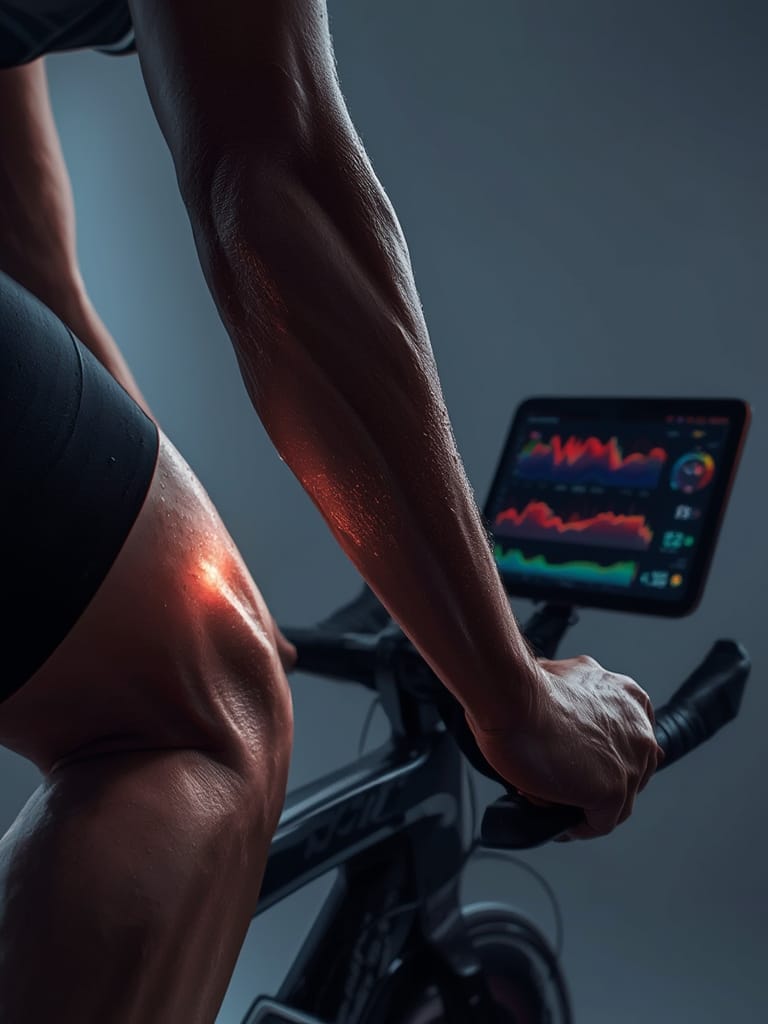
Bonus tips: If you’re combining oximetry readings with connected health devices, consider solutions that sync well with your fitness ecosystem. For deeper integration ideas, see how device compatibility is transforming other markets, such as with the benefits of Matter protocol. Automation and ecosystem fit are major trends for 2025 and beyond.
Advanced Analysis & Common Pitfalls
While muscle oximeters offer fresh physiological insights, current users frequently face real-world hassles and limitations:
- Measurement Site Variability: Testing on accessory muscles (adductor longus, paraspinals) results in higher between-person variability and lower reliability than on major locomotor muscles like the vastus lateralis (detailed reliability study).
- Detection of Fatigue: SmO2 readings do not track muscle fatigue directly, as seen by the lack of correlation with spectral indexes in EMG (electromyography). For fatigue detection, conventional EMG remains more sensitive (fatigue research summary).
- Device Limitations: Single-point NIRS units introduced since 2018 (like early Moxy monitors) are user-friendly for field use, but research use is still dominated by multi-site, lab-based Artinis equipment—less practical for most coaches and athletes.
- Calibration and Longitudinal Data Gaps: Many devices lack robust calibration guides. Long-term benefits of muscle oximetry for continuous training adaptation are underexplored in published research (systematic review).
- Cost and Ecosystem Integration: No concrete 2024 pricing or cost-of-ownership data is available. Prices may vary widely depending on sophistication, compatibility, and research focus.
| Device | Main Feature | Sensor Depth | Site Reliability | Research Grade | Practicality |
|---|---|---|---|---|---|
| Moxy Monitor | Wireless, live SmO2, tHb | ~12.5mm | Best on vastus lateralis | Field research | High (mobile, app-ready) |
| Artinis Devices | Multi-site, full hemoglobin spectral | Multi-depth (custom) | Validated in lab/research | Gold standard | Lower (complex setup) |
To avoid misapplication:
- Never compare readings across sites or between brands until you understand device-specific calibration and ingress depth.
- Do not use oximeters as standalone fatigue detectors. For real fatigue, couple with EMG or perceived exertion scales.
- Expect initial setup challenges and occasional dropped data, especially if Bluetooth/ANT+ signals compete with other sensors on your body or bike. Device reliability can vary just like with smallest gps tracker for cats in the pet wearable sector, or app-linked gadgets (Blood Pressure Monitors).
- Budget for accessories, software updates, and possible subscription features, as with other connected fitness tools. But hard costs remain vague for 2024.

Conclusion
Muscle oximeters represent a major step forward for data-driven athletes seeking to optimize endurance performance and recovery. Their ability to deliver real-time muscle oxygenation trends—especially when combined with heart rate, power, or even HRV Monitor feedback—opens up new ways to personalize training and spot gaps in recovery. However, users need to be aware of site-dependent reliability, the device’s current inability to directly measure fatigue, and the need for smarter app and ecosystem integration. If you want the next edge in your training arsenal, a muscle oximeter could be your best upgrade—just make sure you balance expectations with real-world evidence and always integrate other established benchmarks.
Start monitoring your own muscle oxygen saturation and redefine your endurance training. Evaluate the right device, learn your own body’s patterns, and stay ahead of the curve as sports science continues to evolve.
FAQ
How does a muscle oximeter differ from a standard pulse oximeter?
A muscle oximeter directly measures tissue oxygen saturation in active muscle (SmO2) using NIRS. Standard pulse oximeters typically read oxygen saturation in arterial blood at peripheral sites like a finger, not within exercising muscle.
Can muscle oximeters detect muscle fatigue?
Not directly. While SmO2 drops with intense exercise, there’s no clear correlation between SmO2 trends and fatigue as detected by EMG. A muscle oximeter highlights oxygenation changes, not true neuromuscular fatigue.
Where should I place a muscle oximeter for best accuracy?
Most studies recommend the vastus lateralis (front thigh) as the most reliable site, offering lower measurement variability. Accessory sites like the paraspinals are less dependable.
Is there a preferred device or brand for muscle oximetry?
Moxy is widely used for field and real-world applications. Artinis devices are regarded as gold standard for lab and research scenarios. Feature set, ease of setup, and integration options vary.
Are there extra subscription or accessory costs for muscle oximeters?
This varies by brand, but most consumer-level muscle oximeters operate via one-time purchase. Some advanced integration or analysis software may charge ongoing fees, but no standard pricing exists as of 2024.