

HRV Monitor technology has transformed how individuals and health professionals track heart rate variability, offering new insights into stress, recovery, illness, and overall well-being. But how reliable are these readings, and what do real-world users actually achieve?
Key Takeaways
- HRV monitors using smartwatches and wearables are accurate during sleep, but daytime accuracy varies due to movement.
- Establishing personal HRV baselines and understanding individual patterns is essential for meaningful use.
- HRV data can highlight illness risk or stress, but changes in lifestyle based on this data remain an emerging practice.
Table of Contents
What Is an HRV Monitor and Why Does It Matter?
An HRV monitor measures the variability in time between your heartbeats, an indicator of how your autonomic nervous system responds to stress, sleep, and illness. Traditionally, high-end electrocardiograms (ECGs) were the only way to get reliable HRV data. Today, smart wearables like the Apple Watch, Garmin, Fitbit, Oura Ring, and Whoop Band track HRV using optical sensors directly from your wrist or finger.

Why does this matter? HRV is tied to stress resilience, cardiovascular risk, illness detection, and athletic recovery. Consistently low HRV can signal potential health issues, while increases may indicate improved fitness or recovery. A 2024 study confirmed that consumer devices are reliable for monitoring HRV, especially during sleep, though less precise during physical activity. This opens new ways for regular people to gain insights previously available only to medical professionals (source).
Beyond fitness and wellness, emerging research links HRV trends to early respiratory illness detection—including flu and COVID-19—making HRV monitoring an important personal health tool when interpreted correctly (study).
How to Use an HRV Monitor: Actionable Steps
The power of HRV monitors lies in their daily use, but maximizing value requires methodical steps. Here’s how to get accurate, actionable results:
- Choose the right device. Select a wearable that supports raw HRV export and high-resolution inter-beat interval (IBI) logging. The Garmin Fenix 6 and Apple Watch are widely validated. Consider the Health Collar category if monitoring pets.
- Wear consistency is crucial. Wear your device >8 hours overnight. Research reports 70% compliance with watches, but aim higher for best results. Straps should fit snugly and remain stationary during sleep to improve accuracy.
- Establish your personal baseline. Track at least two weeks of daily HRV measurements to define your unique range. Note medications, illness, and sleep disruptions, as these can shape your numbers. HRV is highly individualized and can’t be compared directly between people (source).
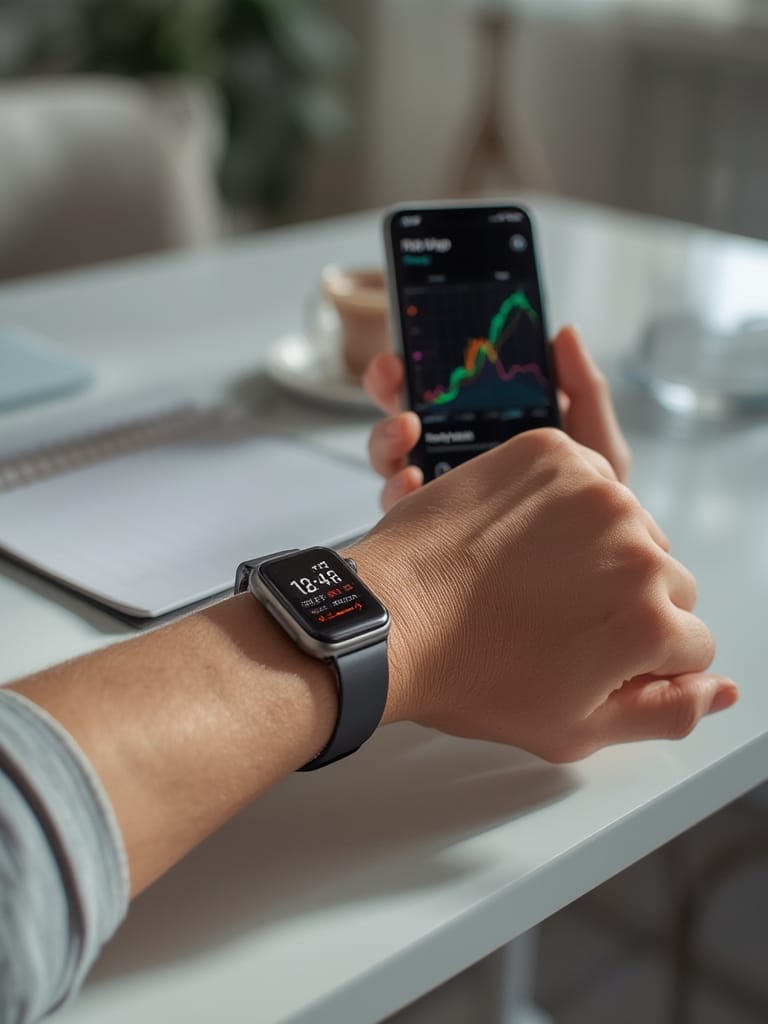
- Utilize companion apps and third-party analyzers. Most devices sync with mobile apps. For in-depth trends, third-party programs provide finer analysis and can guide breathing exercises, meditation, or stress management. If app syncing fails, consider exporting raw data directly and uploading to a health dashboard. For complete data integration across your home, discover how Matter compatible devices make cross-system tracking seamless.
- Interpret trends, not single numbers. Focus on gradual changes. Sharp drops may herald sickness or poor recovery, while gradual improvement can mark higher fitness or less stress. Log concurrent symptoms for context, not just the data.
- If you notice persistent low HRV, consider seeking medical insight—especially if combined with other symptoms, like fatigue or sleep trouble.
- Combine HRV readings with other health data such as respiration or blood oxygen levels. For deeper health tracking, look into a WiFi blood pressure cuff to complement HRV trends.
- For total smart home wellness, some air purifiers (PM2.5 air purifiers) and ambient circadian lights (tunable lighting) can directly impact your HRV by improving air quality or supporting healthy sleep habits.
Advanced Analysis: Pitfalls, Accuracy, and Comparison
Despite their promise, HRV monitors come with real challenges. Here’s what research and expert analysis reveal:
| Device/Method | HRV Accuracy (Night) | HRV Accuracy (Day/Exercise) | Raw Data Export | Notable Issues |
|---|---|---|---|---|
| ECG (12-lead) | Gold Standard | Gold Standard | Yes | Complex, expensive |
| Apple Watch, Garmin, Fitbit, Oura, Whoop | High (sleep/rest) | Low/Moderate (motion artifacts) | Depends on model/app | Sync issues, app reliability (study) |
| Smartphone PPG | Moderate | Poor (not designed for movement) | Varies | Finger must remain perfectly still |
| Biofeedback wearables | High (device dependent) | Moderate to Low | Some allow | Motion, app ecosystem |
Common Pitfalls
- Overreliance on spot checks: One-time readings are unreliable. HRV should be viewed as a trend, not an absolute measure.
- Ignoring baseline personalization: HRV values vary dramatically by person and context. A sudden change matters more than your ‘score’ compared to others.
- App and syncing frustrations: Data loss and low app reliability are the top problems reported in clinical studies (source).
- Misinterpreting data as diagnosis: HRV can signal risk, but is not a stand-alone diagnostic tool. Always consult with medical professionals when in doubt.
- Lack of real-time accuracy during activity: Most consumer devices still lack validated results for HRV during heavy movement or workouts (details).
- Tracking compliance: In one study, device wear compliance averaged 70%, but health survey compliance was just 46%. Missed data skews trends.
Emerging Trends & Gold Standard Comparison
Clinical research continues to view ECG as the gold standard for HRV assessment (research). Consumer-grade PPG smart devices are improving, but no wearable yet equals ECG precision, especially with motion. Advanced validation protocols require simultaneous ECG/wearable HRV data across varied postures and activities for best accuracy, and real-world consumer devices rarely undergo this full process. If you’re building a wellness technology stack—perhaps integrated with an Agentic AI or smart home system—understanding these limits is critical to avoid decision paralysis.
Conclusion
HRV monitors have made advanced health tracking accessible to everyday users. Their accuracy shines during sleep and quiet rest, but interpret daytime fluctuations with caution. The real benefit comes when you track your own HRV trends over time, combine them with smart home cues, and use them to nudge lifestyle changes—not as a diagnosis tool, but as a continuous health insight. If you’re considering an HRV Monitor, start with established wearables, invest in understanding your unique baseline, and make tracking part of a holistic health routine.
Curious about combining HRV insights with other wellness technologies? Explore top-rated PM2.5 air purifiers, WiFi blood pressure monitors, or smart circadian lighting for your home. Ready to take control? Start tracking tonight!
Frequently Asked Questions
How accurate are consumer HRV monitors compared to medical devices?
During sleep or quiet rest, smartwatches and smart rings using PPG sensors can closely match medical-grade ECG readings for HRV. Accuracy drops during movement. For the highest standard, ECG remains the gold standard, but for personal trends, validated wearables are practical.
What is the best time of day to measure HRV?
First thing in the morning, before caffeine, food, or stress, is ideal. This reduces outside influences, creating the most reliable baseline for comparison.
Can I rely on HRV to detect illness or stress?
HRV often drops before illness or in periods of extreme stress, but other factors (like sleep, dehydration, or medication) can also impact readings. HRV trends provide valuable warnings, but should not replace professional medical advice.
Do all wearables track HRV equally?
No. Some devices offer only sporadic HRV snapshots, while others record continuous data and export raw IBIs. Review device specs and app compatibility before buying—or check for recent clinical studies validating device accuracy.
Can HRV data be integrated with other health metrics at home?
Yes, many users now combine HRV with blood pressure, air quality, and smart lighting metrics. Consider building a wellness dashboard for a holistic view—many Matter-compatible devices support this integration.