

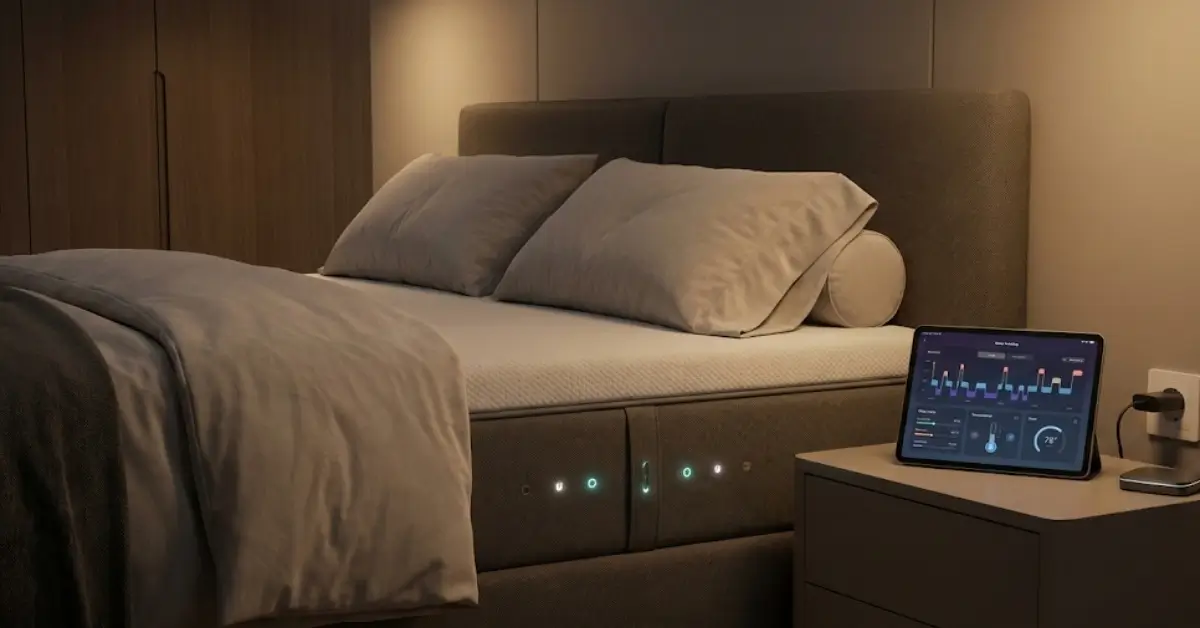
Smart Mattress technology is changing how people sleep by adding features like temperature control, sleep tracking, and integration with smart home systems. But is it really worth it for most homes?
Key Takeaways
- Smart mattress sales are growing, with the global market expected to double by 2032, fueled by health and sleep trends.
- Critical downsides like uncertain reliability, missing open standards, and long-term maintenance costs remain poorly covered by top reviewers.
- Most buyers need a realistic approach to features, avoiding products that overpromise on sleep tracking or temperature control.
- What Is a Smart Mattress and Why Use One?
- Getting Started: Step-by-Step Guide to Smart Mattress Success
- Advanced Analysis & Common Pitfalls
- Conclusion
- FAQ
What Is a Smart Mattress and Why Use One?
A smart mattress combines traditional comfort with embedded technology. Common features include integrated sensors for tracking sleep cycles, adjustable temperature, and connection to home automation platforms. Many also offer dual-zone controls for couples, and smartphone apps for analyzing sleep data.
The appeal: improved rest, personalized comfort, and health insights without the need for wearable devices. In 2024, the global smart mattress market is valued at $2.28 billion, with projections of $5.31 billion by 2032—about 11% CAGR. North America leads the way, thanks to rising smart home adoption and a growing focus on sleep health. (Source.)
But not all smart features are created equal, and some technologies introduce more hassle than they solve. Understanding these differences is essential before investing.
Getting Started: Step-by-Step Guide to Smart Mattress Success
- Decide on the features that matter most to you. Is your priority temperature control, sleep tracking, remote connectivity, or adjustable firmness? Temperature and sleep analytics are the most popular, but not always the most reliable. Avoid paying for add-ons you won’t use.
- Evaluate compatibility with your smart home system. Some mattresses work with Matter compatible devices and voice assistants, making unified control easier. Check setup requirements before purchase to avoid frustration.
- Set a realistic budget. While internal market data does not provide exact 2024 prices, expect to pay a premium over conventional mattresses. Investigate possible subscription or connectivity fees for sleep tracking or app features.
- Choose the cooling/heating technology wisely. Options range from air blowers and active water circulation to phase-change materials—each with varying energy costs and noise levels. Ask the manufacturer or check user forums for real-world noise and energy data.
- Plan for installation and maintenance. Some models require professional setup or regular cleaning of temperature control components. Ask about replacement part availability and app support longevity.
- Protect your investment. Request detailed warranty terms, especially covering electronics, sensors, and app/services support.
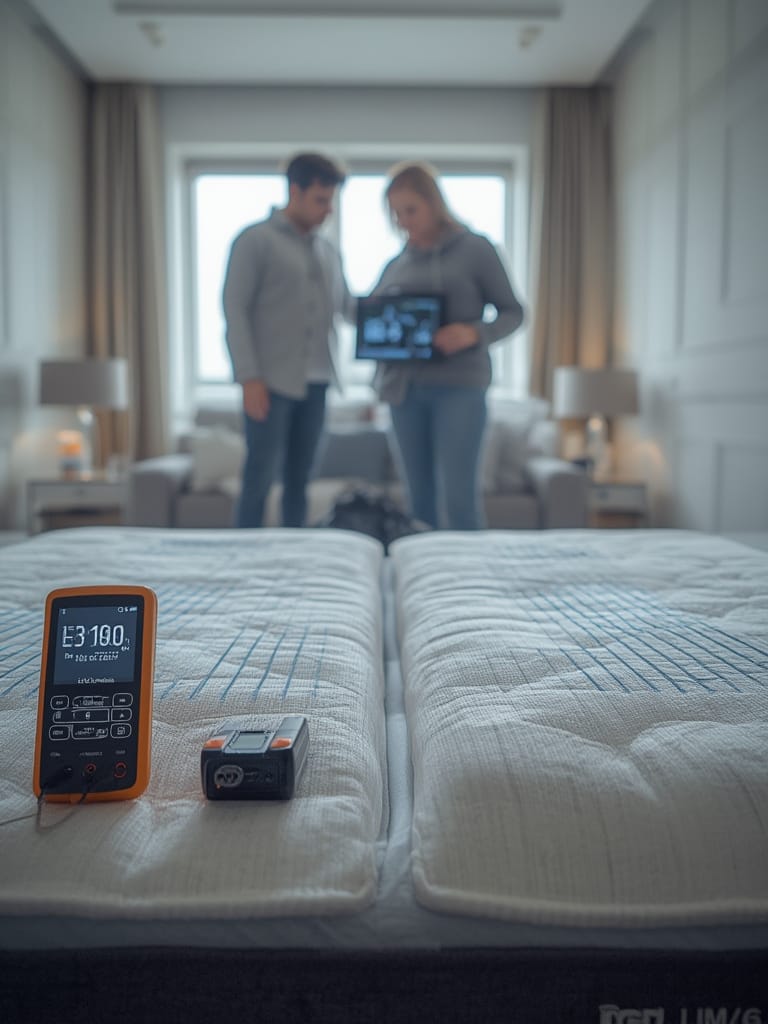
Installation varies: some smart beds are as simple as plugging in a single cable, while others require connecting hub devices or calibrating sensors through a phone app. Always download the manufacturer’s app before installation—this speeds up activation and troubleshooting. If you already use ambient computing or quiet automation products, look for platforms that support background integration without extra notifications or complexity.
Maintenance typically means cleaning air vents or refilling water in cooling units every few months. App updates may add or break features—read update notes before installing. For advanced users, consider if the device allows any open-source integration for customized sleep tracking or reporting.
Advanced Analysis & Common Pitfalls
Buying a smart mattress is not always smooth. Here’s what can actually go wrong:
- Overpromised Sleep Tracking: Many brands highlight advanced sleep analytics, but most lack third-party validation. False positives or missed wake periods are common.
- Weak Temperature Control: Advertised as “bed cooling” but many products can only cool or heat a few degrees from ambient room temperature.
- Noisy Operation: Some active cooling units (especially air-based systems) create fan or compressor noise that disrupts sleep. Real user data on noise is scarce—ask for decibel ratings or in-store demos.
- Connectivity Troubles: WiFi/Bluetooth modules can drop out or become obsolete, leaving you with a “dumb” mattress. Lack of Matter protocol or open APIs increases this risk. See our advice on Matter protocol benefits.
- Maintenance & Part Costs: Little data on long-term costs exists. Budget for out-of-warranty repairs, water reservoir replacements, or app subscription fees.
- Price vs. Value: No published price benchmarks for 2024, but buyers should expect wide gaps between “entry” and “premium” options. Cooling mattress pads and dual-zone systems cost extra, and installation fees may apply.
| Feature/Tech | Potential Benefit | Common Problems | Tip to Avoid Issue |
|---|---|---|---|
| Sleep Tracking | Under mattress sensors, trend reports | Inaccurate, not validated by studies | Compare results with a dedicated sleep tracker for accuracy. |
| Temperature Control | Active cooling, warming, dual zones | May not cool/heat enough, noise, energy use | Choose water-based systems for quiet, air-based for intensity (but ask about noise levels). |
| Smart Home Integration | Remote app control, routines | Compatibility issues, software sunset | Buy models that work with Matter or have open API support. |
| Dual Zone Beds | Different temps for each sleeper | Limited range, air leakage or bleed over | Request a demo or use conservative temp differences. |
Importantly, almost no public review addresses maintenance costs or the true impact of long-term app support. Smart home buyers who value data privacy or interoperability should research predictive home automation, especially as agentic AI platforms start learning sleep routines.

Conclusion
Smart mattress systems can provide valuable convenience and comfort with the right research and planning. But they come with risks—spotty tracking, difficult integration, maintenance blind spots, and changing app reliability. Set realistic expectations and always confirm compatibility with your broader smart home environment. Ultimately, the right smart mattress can upgrade your rest, but only if you buy wisely.
Ready to compare options or have a question about setup and smart integrations? Start with trusted reviews or visit our smart home guides for in-depth, practical help.
FAQ
What is the average cost of a smart mattress in 2024?
No exact data exists for 2024 average or premium prices, but shoppers can expect to pay significantly more than for a standard mattress, especially with integrated cooling or dual-zone features. Always ask for a full price breakdown, including possible installation or subscription fees.
Can a smart mattress really improve sleep quality?
The core benefits are temperature consistency, routine building, and passive sleep monitoring. However, most sleep tracking data has not been third-party validated. For better accuracy, combine with a dedicated sleep tracker or ring.
Do smart mattresses work with all smart home systems?
Only some models support standards like Matter protocol or major voice assistants. Prioritize mattresses that advertise open API or Matter compatibility for seamless integration.
How effective are temperature-controlled mattresses?
Actual cooling/heating is often less powerful than advertising claims. The best models adjust your bed by several degrees, but heavy users may notice noise or energy costs. Water-based systems are typically quieter, while air-based systems deliver more rapid changes but can be louder.
What pitfalls should buyers avoid?
Avoid models with unclear warranty terms on electronics, no promised software support, or proprietary (closed) apps. Consider future-proofing with open home standards and always check reviews for maintenance and repair experiences.