

Smart Humidifier technology is redefining home comfort by providing precise, app-controlled humidity management. Whether you want healthier air, better plant care, or to prevent mold, understanding smart humidifier is critical for making the right choice.
Key Takeaways
- Ultrasonic smart humidifiers hold a near-majority of 2024’s market, but evaporative models are gaining popularity due to lower mold and dust risks.
- Most user-facing issues like mold, app bugs, or plant health are rarely reported, but there’s little real-world data on long-term reliability or costs.
- Sensor integration, auto-modes, and filtration tech are must-haves for reliable, mold-free operation—yet cost and precision metrics remain surprisingly vague.
- What Is a Smart Humidifier and Why Should You Care?
- How to Choose and Set Up a Smart Humidifier (Step-by-Step)
- Advanced Insights, User Pitfalls, and Real-World Drawbacks
- Final Thoughts on Smart Humidifiers
- Smart Humidifier FAQ
What Is a Smart Humidifier and Why Should You Care?
A smart humidifier is an app-controlled device that automatically monitors and regulates your room’s humidity, fighting dry air, static, dust, and risks of over-humidification—often the root cause of mold and allergy flare-ups. Unlike traditional models, most smart humidifiers use sensors, scheduling, and real-time feedback through your phone. Modern options include ultrasonic, evaporative, and (rarer) steam-based systems, each with distinct pros and cons.
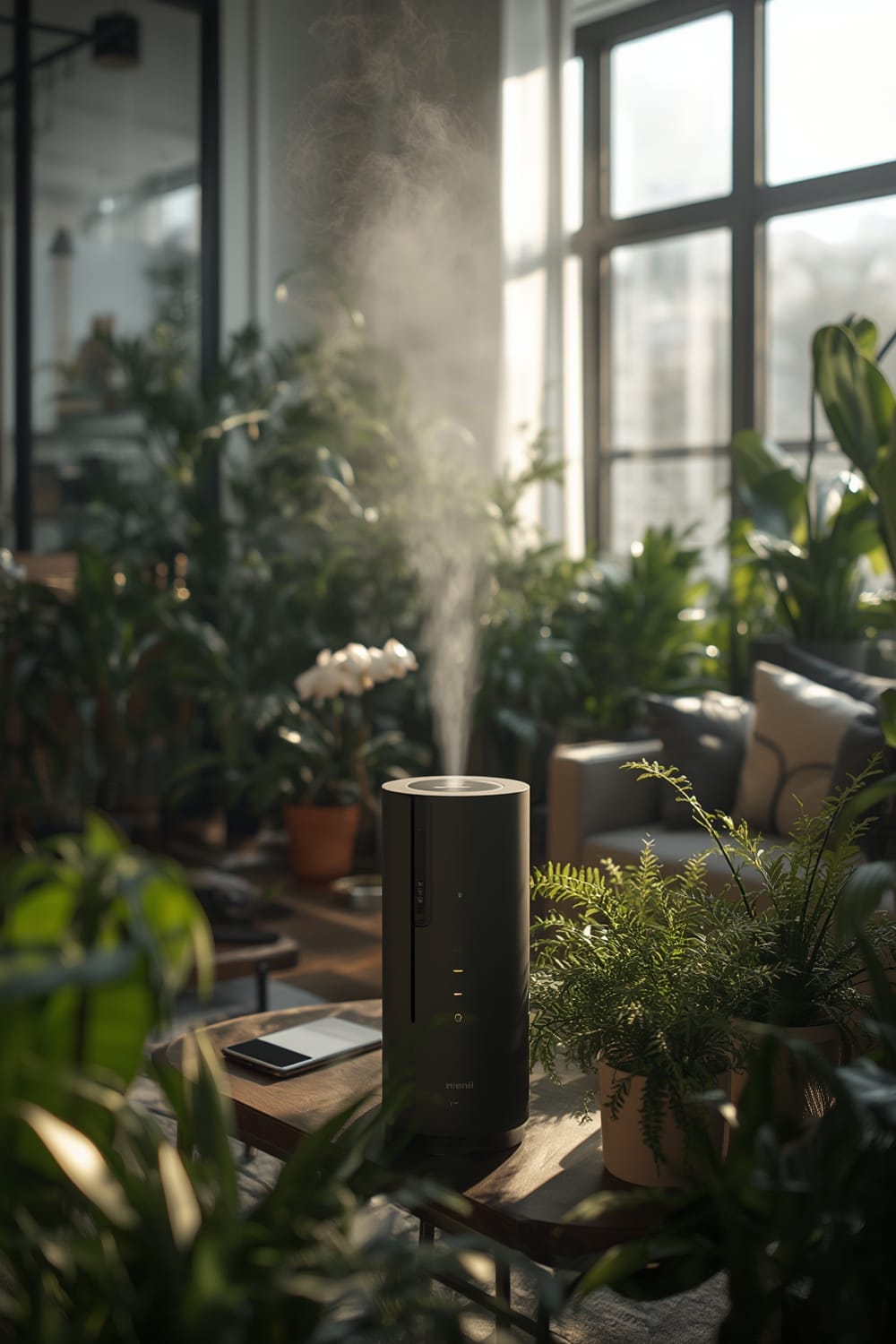
Research shows ultrasonic models dominate the global market in 2024, controlling up to 49% of intelligent humidifier sales. These units are quieter and cheaper but can create “white dust” and may increase mold risks if overused. Evaporative humidifiers use fans and wicks to minimize these risks—making them a rising pick in larger or more health-focused homes, though they hold a smaller market share overall (source). For buyers who want seamless control and low maintenance, smart evaporative options are worth strong consideration.
humidifiers go beyond just comfort: they can support respiratory health, protect wood floors and instruments, and even help keep your houseplants thriving when paired with features like sensor-aided automation. Integration with other smart home platforms is also expanding, especially as compatibility standards such as the Matter protocol take hold.
How to Choose and Set Up a Smart Humidifier (Step-by-Step)
- Define Your Priorities:
Do you need a smart humidifier for a single room, a whole apartment, plant care, or allergy relief? If “no-mold” is crucial, prioritize evaporative or UV-filtration models over basic ultrasonic options. - Research Smart Features and App Reliability:
Look for app-based controls, real-time humidity monitoring, voice support (e.g., Alexa, Google Home), and self-regulating modes. Read recent reviews on connectivity, since some Wi-Fi models still struggle with app bugs or router compatibility. - Compare Filtration and Mold Prevention:
Top-rated brands like Xiaomi, Levoit, and Honeywell now include UV sterilization and advanced filtration. These help lower white dust and mold risk—two common ultrasonic pitfalls. - Size and Placement:
Check the device’s rated coverage area (usually in square feet or square meters). Large rooms, HVAC ducts, or plant corners might need bigger tank models. Always place your humidifier away from direct sunlight, radiators, or ventilation grilles for best sensor readings. - Set Up Automations:
Use the app to create humidity schedules or connect with your smart home platform (such as Apple HomeKit, Google Assistant, or Matter compatible devices). Opt for “auto” modes to allow the device’s sensors to regulate output dynamically. - Maintain Regularly:
Clean tanks and replace filters based on the manufacturer’s schedule—usually monthly or quarterly. Evaporative and hybrid models help prevent mold growth by never over-humidifying; however, stagnant water and dirty tanks can still be a breeding ground. - Monitor and Adjust:
Periodically check humidity readings with a separate hygrometer. For plant rooms, target 50-70% RH for tropical species (or 30-50% for succulents) for best results, even though humidifiers don’t always guarantee perfect accuracy.
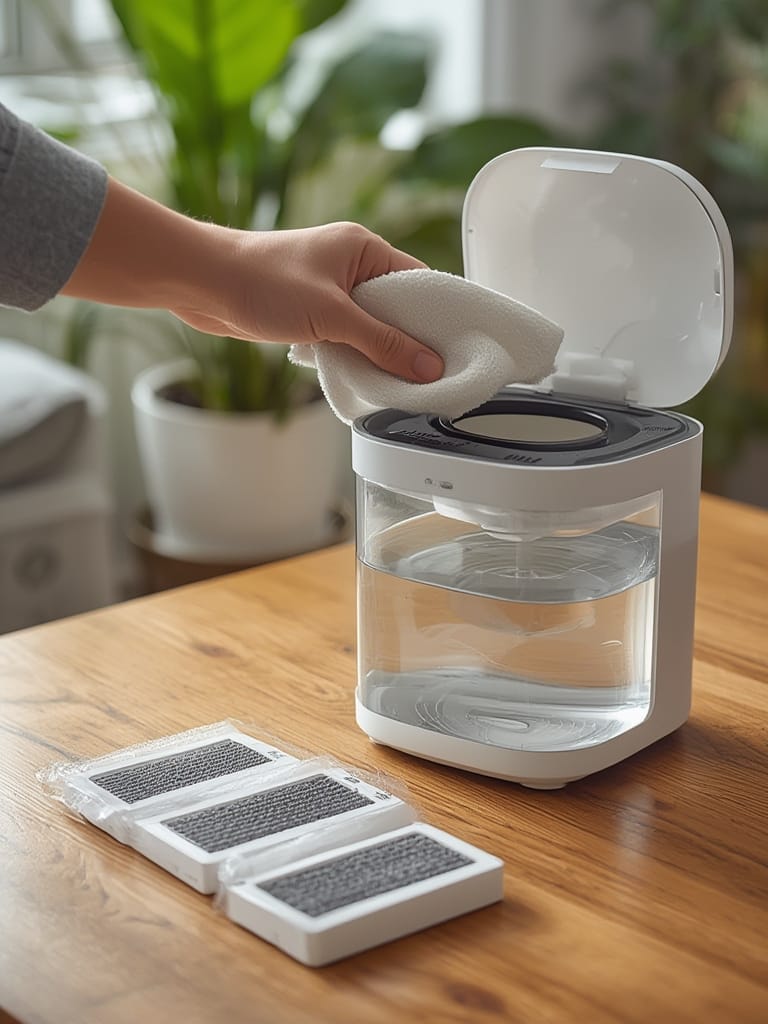
To ensure best app connectivity, place your humidifier within stable Wi-Fi range, avoid guest networks, and keep device firmware updated. Many new models—especially from brands leveraging Agentic AI for home automation—are improving in self-learning humidity patterns, further minimizing day-to-day fiddling.
Finally, if you share your space with sensitive plants, consider pairing your smart humidifier with a reliable sensor or monitor to fine-tune target ranges. Smart evaporative models, such as the upgraded 2024 Xiaomi and Levoit, excel at hands-off accuracy, though they still benefit from occasional manual spot-checks.
Advanced Insights, User Pitfalls, and Real-World Drawbacks
Despite aggressive marketing, real-world experience with smart humidifiers is mixed—and much of the industry data is silent on day-to-day frustration. While mold is a recurring concern (especially for ultrasonic models that leave behind mineral dust), top-rated smart humidifiers now employ UV sterilization and advanced filtration to target these issues. However, these features aren’t foolproof or maintenance-free.
Surprisingly, no major market reports mention user complaints about mold, app failures, or plant health. This may mean such complaints are rare—or simply not captured. Based on market data:
| Feature | Ultrasonic Smart Humidifier | Evaporative Smart Humidifier |
|---|---|---|
| Market Share (2024, est.) | ~49% (global smart segment) | Smaller, but rising |
| Noise Level | Very quiet | Moderate (fan noise) |
| Mold/White Dust Risk | Higher (needs filter/UV) | Lower (by design) |
| Ideal For | Bedrooms, offices (with filtration) | Large rooms, plant corners |
| Upfront Price Range* | $60-$200 (not precisely reported) | $80-$250 (not precisely reported) |
| Filter/Ongoing Costs* | ~$10-$30/year* | ~$15-$40/year* |
| Smart Integration | Excellent (apps, voice, Wi-Fi) | Strong (apps, voice, Wi-Fi) |
*Estimates only: real-world data is rarely published or vendor-verified.
Maintenance is essential regardless of model. Dirty filters and stagnant tanks will eventually breed mold—no matter how “smart” the system claims to be. Many users also face Wi-Fi hiccups, especially on crowded home networks. Before you invest, check compatibility with home platforms (Matter, HomeKit, Alexa), and beware proprietary subscription fees for premium app features, though these are uncommon but emerging.
For those interested in advanced smart home ecosystems, pairing a smart humidifier with presence sensors or predictive home automation (see Agentic AI) can further enhance efficiency and adapt humidity to your real living patterns—not just the clock.
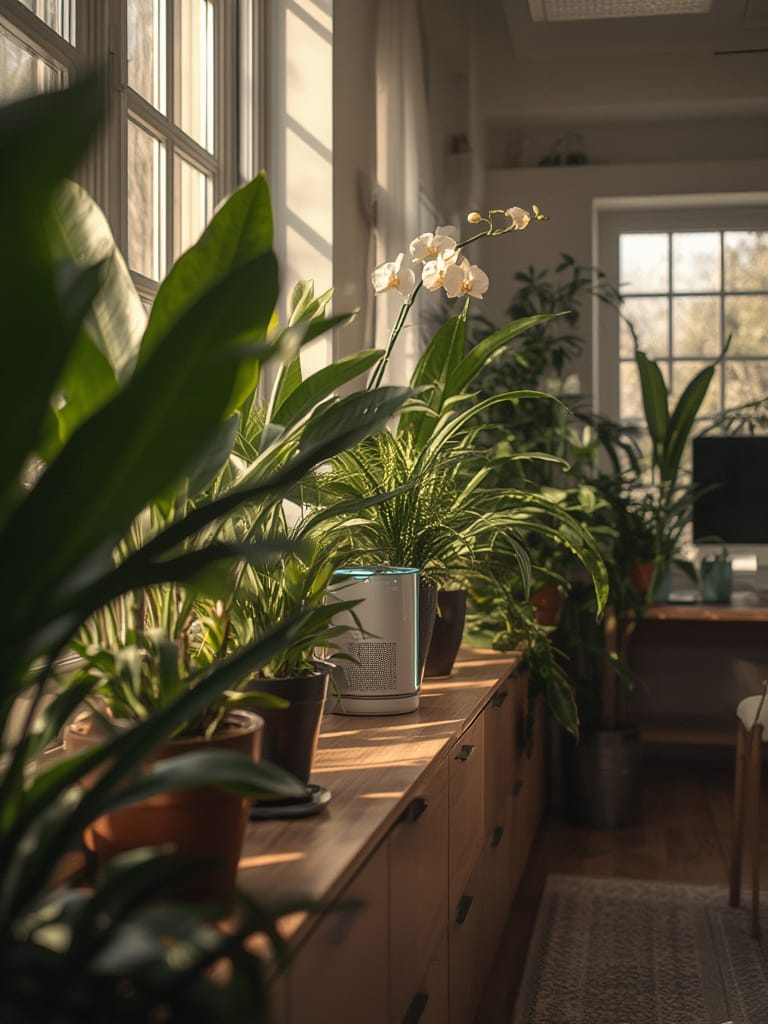
Bottom line: Smart humidifiers deliver unprecedented control, especially for allergy-prone, plant-focused, or tech-forward households. But buyer beware—total costs, real precision figures, and user complaints are still underreported, so active upkeep is non-negotiable.
Final Thoughts on Smart Humidifiers
If you value air quality, healthier plants, and automated comfort, a smart humidifier offers powerful convenience—especially compared to old analog models. Yet true set-and-forget mold prevention requires smart cleaning habits just as much as smart automation. With ultrasonic models still carrying market momentum but evaporative options reducing dust and mold risk, choose wisely for your own needs and check real-world reviews before committing.
Ready to make your space healthier and smarter? Start by comparing smart humidifiers from trusted brands and prioritize units with the right filtration and app integration for your space. Let a smart humidifier be your first step toward a more comfortable and connected home.
Smart Humidifier FAQ
What is the main difference between ultrasonic and evaporative smart humidifiers?
Ultrasonic smart humidifiers use high-frequency vibrations to create a cool mist and are much quieter, but they can leave white dust and are more prone to mold if left uncleaned. Evaporative smart humidifiers use fans and wicking filters—making them noisier but generally lower in mold and dust risk.
How often should I clean or replace filters in a smart humidifier?
Most manufacturers recommend cleaning the tank weekly and replacing filters every 1–3 months, depending on frequency of use and water hardness. Always follow your model’s manual for specifics.
Do smart humidifiers prevent mold automatically?
Many include UV sterilization or advanced filtration to reduce mold risk, but no device is maintenance-free. Regular cleaning, timely filter changes, and proper placement are essential to truly prevent mold.
Can I use a smart humidifier for exotic or tropical houseplants?
Yes, but check your plant species’ preferred humidity range. Many tropicals thrive around 60% RH, while succulents need 30–50%. Most smart humidifiers let you set a target range, but for maximum accuracy, use an independent humidity sensor near your plants.
Are there hidden or ongoing costs with smart humidifiers?
Upfront costs can range from $60 to $250 or more. Ongoing costs include filter replacements ($10–$40/yr estimated) and extra energy use, which is minor for most models. Few devices require paid app subscriptions, but always check specifics before purchasing.