

Sleep Tracker devices are transforming how people monitor sleep quality at home, offering simple, non-wearable solutions for understanding real-life sleep patterns without the hassle of wristbands or wires.
Key Takeaways
- Non-wearable sleep trackers driven by radar and under mattress sensors are experiencing rapid, double-digit growth—especially for home use.
- AI and radar fusion have advanced, but top consumer devices still lag behind clinical accuracy in REM detection and apnea analysis.
- No home-use non-wearable sleep tracker is FDA-approved as of 2024; pricing and hidden data fees remain unclear in public reports.
- The Core Concept: What Is a Non-Wearable Sleep Tracker?
- Step-by-Step Guide: Using a Sleep Tracker for Results
- Advanced Analysis & Common Pitfalls
- Conclusion
- FAQ
The Core Concept: What Is a Non-Wearable Sleep Tracker?
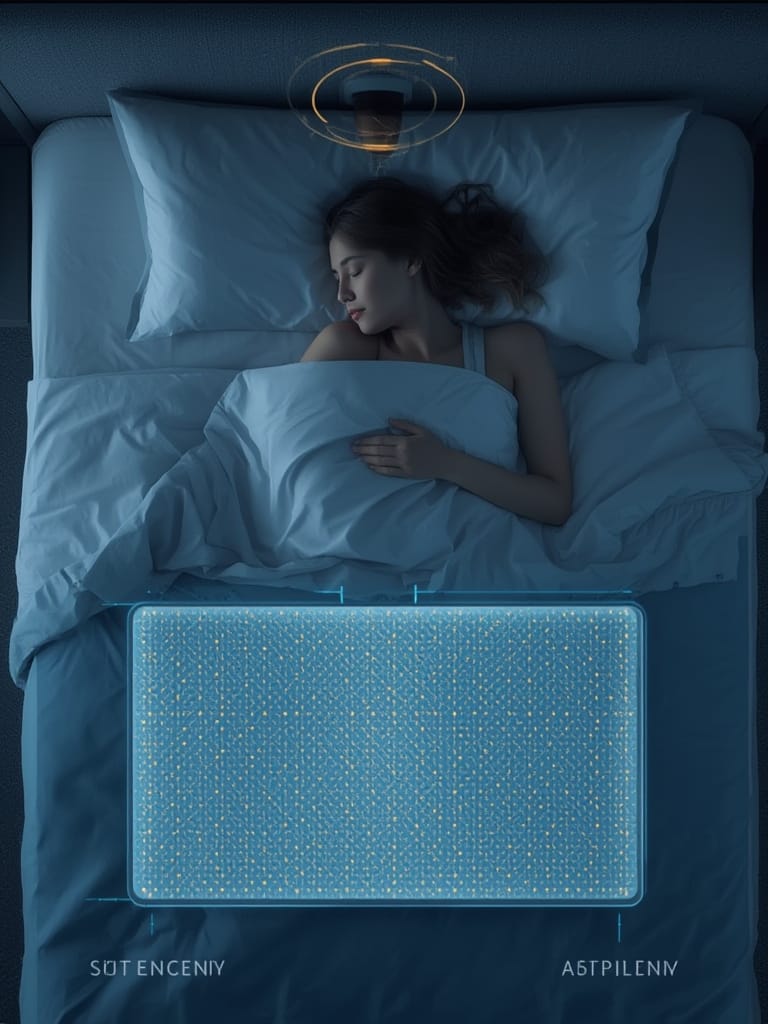
Non-wearable sleep trackers—including under mattress sensors and radar-based monitors—offer a hands-off way to track your sleep cycles, breathing, and movement without ever wearing a device on your body. Using millimeter-wave radar (24 or 60 GHz), ultrasound, or piezoelectric sensors, these trackers sit unobtrusively beneath your mattress or on a nightstand. Radar waves pass through bedding to monitor your heart rate, respiratory rate, micro-movements, and even some sleep postures.
These devices appeal to anyone frustrated by wrist-worn trackers or skin sensors. Their popularity is surging: the global sleep monitoring millimeter-wave radar market is forecast to reach $203 million by 2025, growing at over 21% annually. People value the comfort, low-maintenance design, and privacy they offer compared to using a smartphone or ring all night.
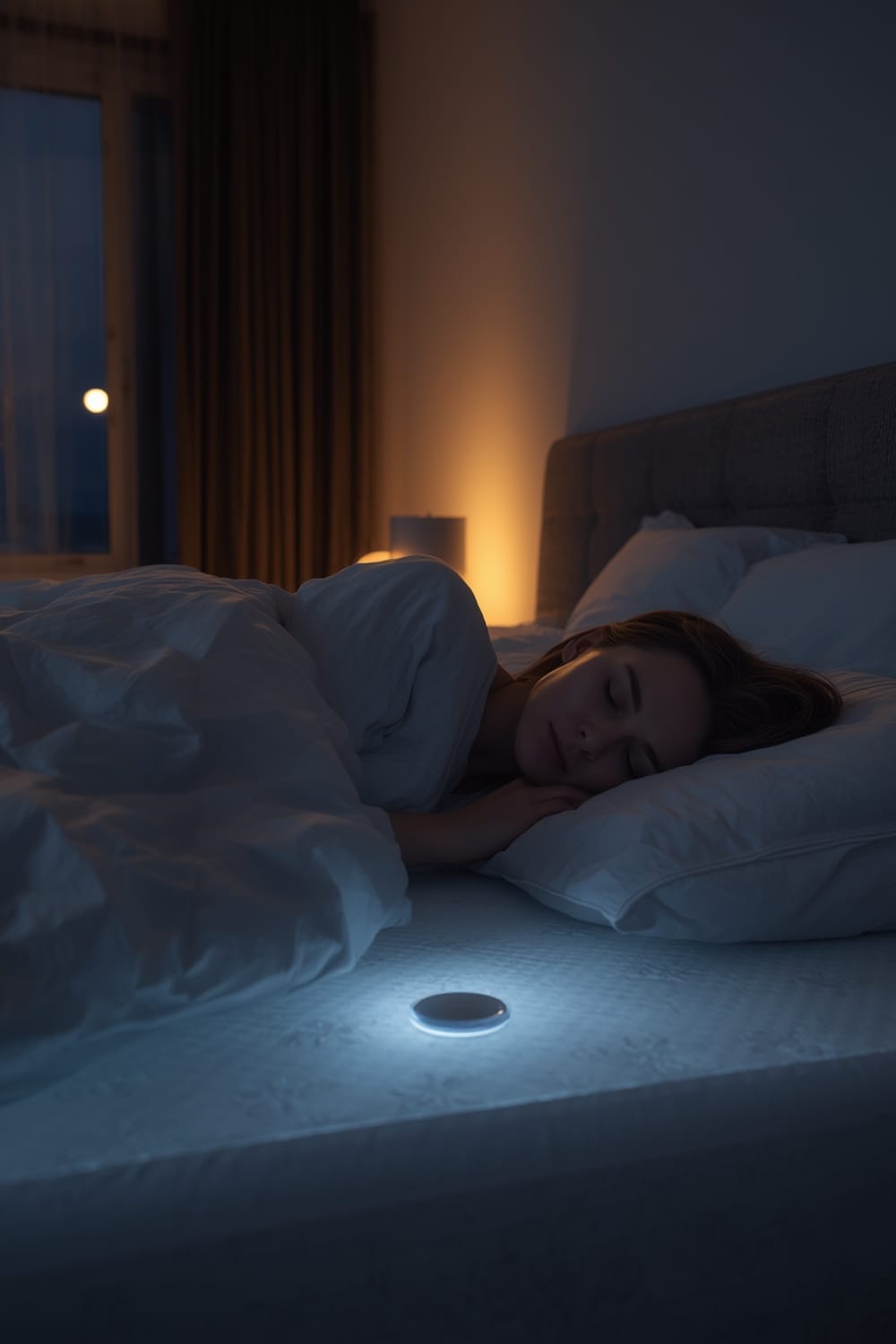
However, the real science comes from how sensor arrays and advanced AI analyze all this motionless night data to estimate your sleep cycles, detect possible sleep apnea events, and build patterns over weeks—all done in the background.
For consumers exploring real-world options, it’s worth noting that the trend favors miniaturized radar modules and sensor fusion, rather than older single-sensor mats. This is a crucial point if you’re comparing mmWave presence sensors used in smart homes or medical wearables.
Step-by-Step Guide: Using a Sleep Tracker for Results
Getting real, actionable data from a sleep tracker is all about setup and daily habits. Here’s how to maximize results with a modern, non-wearable sleep tracker:
- Choose the right tracker for your mattress and room.
Most under mattress sensors work with standard foam or innerspring mattresses and are compatible with most bed frames. Radar-based monitors should be placed on a flat surface near your bed without objects blocking line of sight.
- Install and calibrate according to the instructions.
Read the manufacturer’s guide fully—some require a calibration night or two to adapt to your sleeping patterns, bed height, and movement level.
- Connect to the app and customize goals.
Download the companion app, pair via Wi-Fi or Bluetooth, and set sleep and wake goals (e.g., 7 hours nightly). Many platforms sync with health apps or even allow export to your doctor.
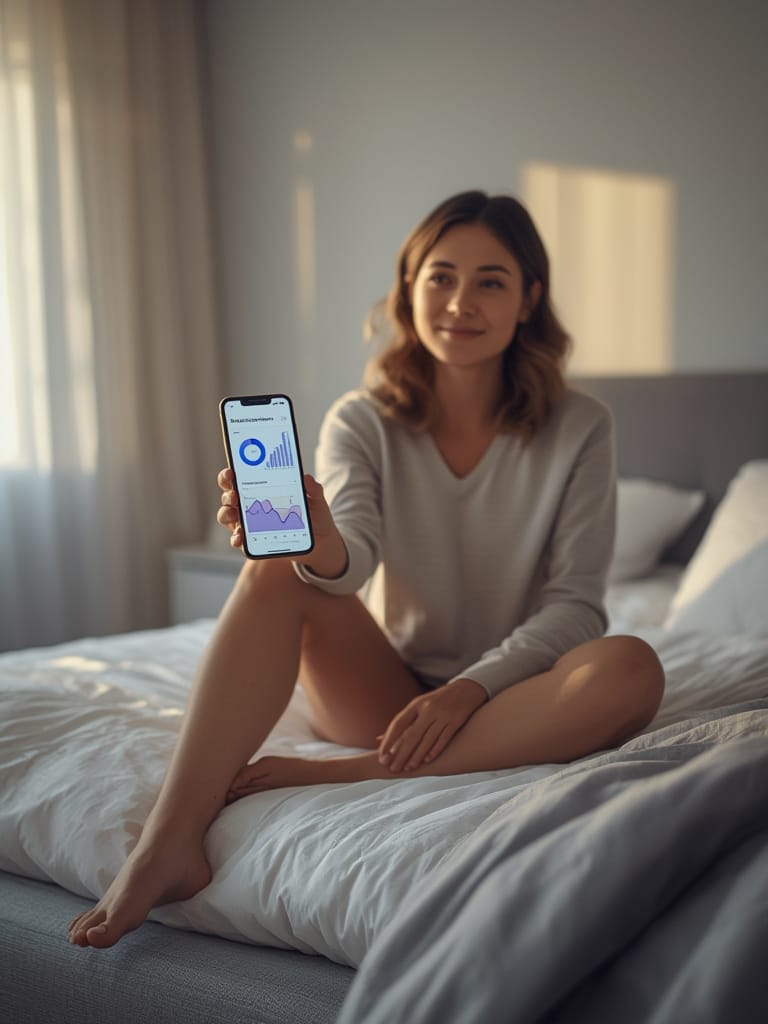
- Check your sleep report each morning.
Analyze data, including total sleep, time in each stage (light, deep, REM), breathing irregularities, and disturbances from snoring, pets, or partners.
- Spot trends—not just individual scores.
Over weeks, watch for changes in sleep onset, night waking, and correlation to mood or productivity. Adjust your environment as needed.
- Be realistic about the device’s limits.
These trackers are great for insights but aren’t medical-grade. Never use them to self-diagnose sleep apnea or other conditions—seek a professional for persistent issues.
Curious about smart home integration? Some advanced sleep trackers can even pair with Matter compatible devices or trigger scenes like “Do Not Disturb” with a programmable scene controller for automated room darkening or temperature zoning—ideal for those wanting hands-free optimization.
For more actionable advice, check if your tracker supports export options for in-depth analysis, which can be useful for sharing with sleep specialists or when comparing with clinical studies.
Advanced Analysis & Common Pitfalls
Despite their promise, non-wearable sleep trackers have real limitations you need to consider before relying on them exclusively. Here’s a sober breakdown backed by 2024 research and market data:
Known Shortcomings: Accuracy and Validation
No mainstream, non-wearable sleep tracker is FDA approved for sleep disorder diagnosis. Devices using 24 GHz radar, under mattress sensors, or even advanced 60 GHz radar modules may outperform basic wrist wearables for gross sleep/wake detection, but:
- REM detection: Still less reliable than polysomnography (medical sleep lab gold standard), especially for distinguishing between light and REM sleep stages.
- Apnea identification: While multi-sensor fusion tracks subtle breathing interruptions, these are not clinically validated for medical use—false positives and missed events occur.
- Calibration drift: Long-term reliability may drop if sensors aren’t periodically reset or cleaned, especially with heavy bedding, temperature changes, or bed-sharing pets.
| Feature | Non-Wearable Tracker | Medical-Grade (Polysomnography) |
|---|---|---|
| Comfort | High (No wires or wearables) | Low (Multiple wires/electrodes) |
| Non-Contact Operation | Yes (Radar, under mattress sensors) | No (Contact required) |
| REM Detection Accuracy | Moderate | Very High |
| Official Clinical Validation | None as of 2024 | Full |
| Privacy Risk | Low (No cameras or wearables) | Moderate |
| Price Transparency | Unknown | N/A |
Market, Pricing & App Hidden Fees
One very real frustration for shoppers in 2024 is the lack of clear price information—neither major research databases nor retailer listings openly show the average or highest costs of these non-wearable trackers. Even more challenging, no public reviews detail subscription fees for access to premium analytics or sleep reports.
If you value transparency and long-term cost control, always check app store reviews or contact the seller directly about ongoing data or reporting fees. For context, the underlying radar module cost is dropping thanks to scaling, but this doesn’t guarantee an affordable shelf price for the end product.
Data Privacy in a Connected Home
Non-wearable trackers boast better privacy than camera-based or wearable devices since they operate without capturing images or audio. However, as these devices often need AI-powered cloud processing, your health data could still be exposed to third-party analysis algorithms. For ultra-privacy, consider a system with local data storage or one that integrates with your broader privacy-focused home automation setup.
Clinical Validation & FDA Approval: What’s Missing
Currently, no leading under-mattress, radar, or bedside non-wearable sleep tracker has achieved FDA clearance or specific clinical validation in a published 2024 trial. Most approvals revolve around wearables or smart rings (Oura alternatives) rather than true non-contact devices. If medical accuracy or sleep apnea treatment is a concern, always choose a device that transparently lists clinical studies or independent audits.
Conclusion
Non-wearable Sleep Tracker technology is advancing rapidly, with radar modules and under mattress sensors now offering a blend of comfort, privacy, and actionable insights for most home users. However, they are not a replacement for formal sleep diagnostics or medical-grade studies. Always check for device limitations, hidden costs, and privacy practices before deciding.
Want more personal sleep insights and real-world optimization? Explore integration with your smart home platform, and use the data to inform daily routines—but don’t ignore ongoing symptoms or rely on these trackers for medical advice.
Start tracking smarter. Consider the best non-wearable sleep tracker for your needs, and share your feedback or questions below to join the conversation.
FAQ
Can a non-wearable sleep tracker diagnose sleep apnea?
No. While some non-wearable trackers use AI to flag breathing disturbances, as of 2024 none are FDA-approved for apnea diagnosis. Use them for screening or awareness only, and seek a professional if symptoms persist.
Are under mattress sleep sensors compatible with adjustable or memory foam mattresses?
Many under-mattress trackers work with standard foam or memory foam mattresses. However, adjustable beds or especially thick pillow-tops may reduce signal accuracy—check your device’s specs before purchase.
Do radar-based sleep trackers require an internet connection?
Most need Wi-Fi for full insights or cloud-based analytics, though some offer basic offline summaries. For strongest privacy, look for trackers with local data storage or offline modes.
Is there any recurring subscription or hidden app fee with sleep tracker devices?
Public 2024 data does not confirm hidden fees, but some brands have paywalled analytics or long-term reports. Check the app store listing or seller info before buying.
How do non-wearable sleep trackers compare to smart rings or wearables?
Non-wearable trackers are usually more comfortable and hands-free, but smart rings often claim superior REM detection and have more FDA certifications. See our analysis of sleep tracking rings for detailed pros and cons.